





Phone:
0086 28 87573647
+86 19150187139

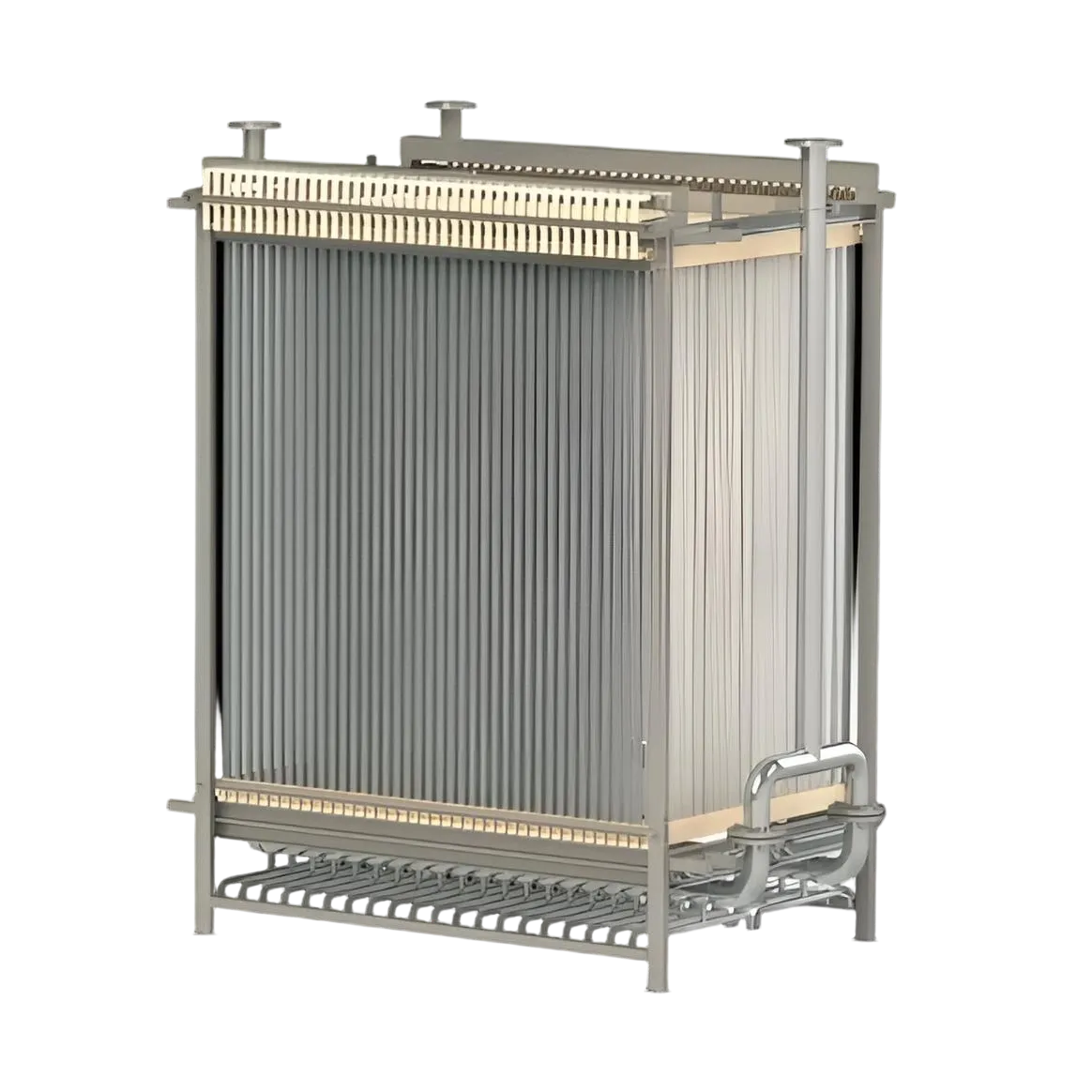
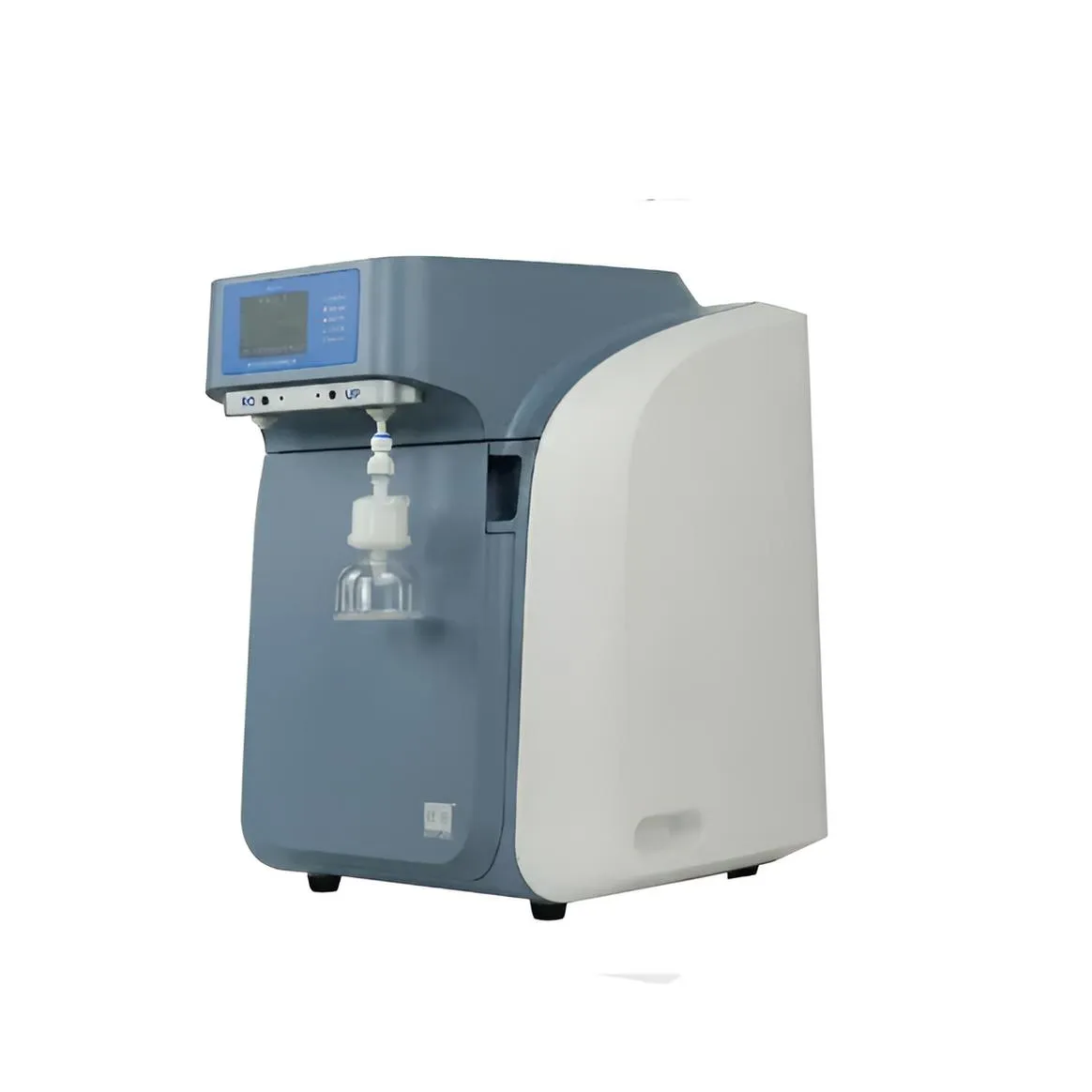
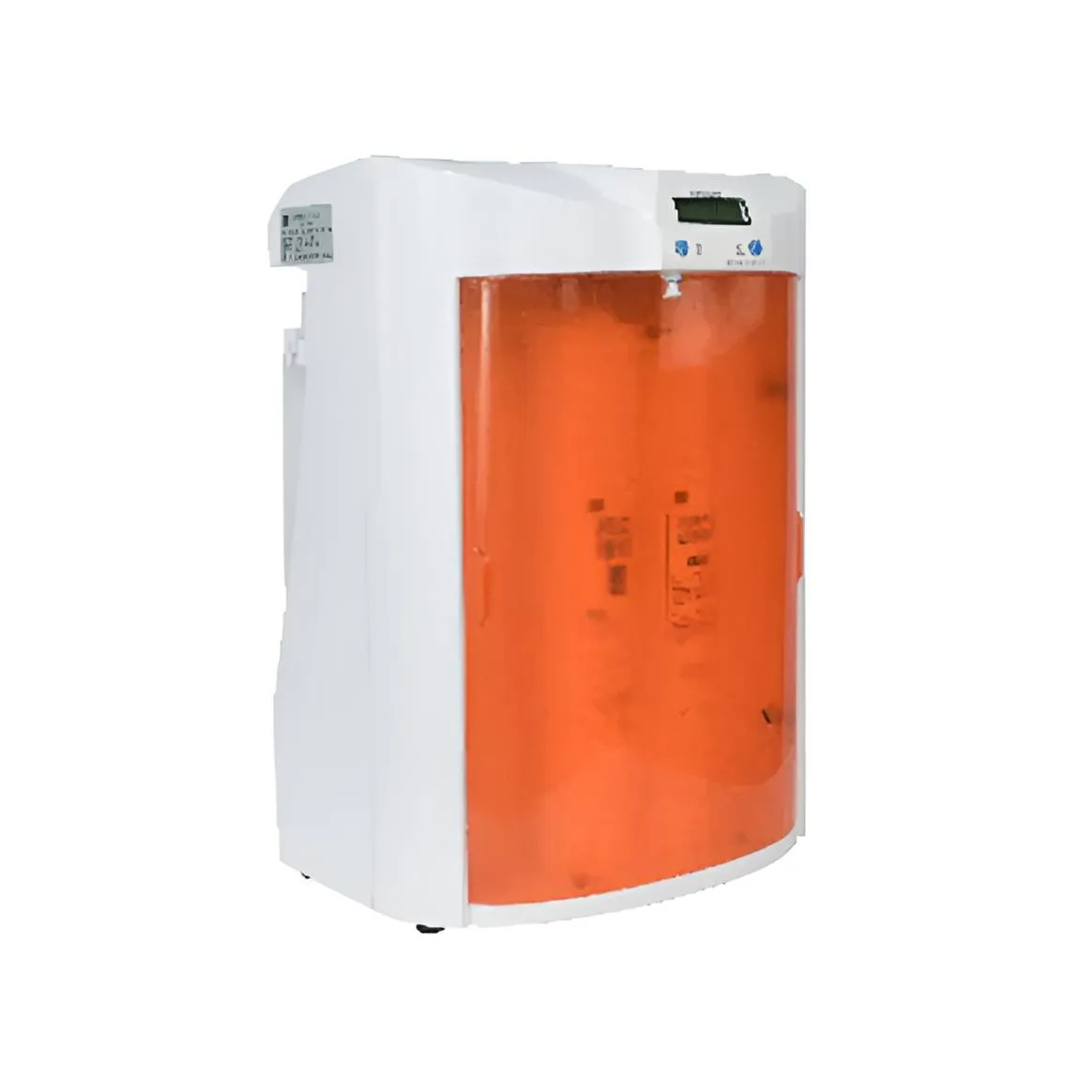
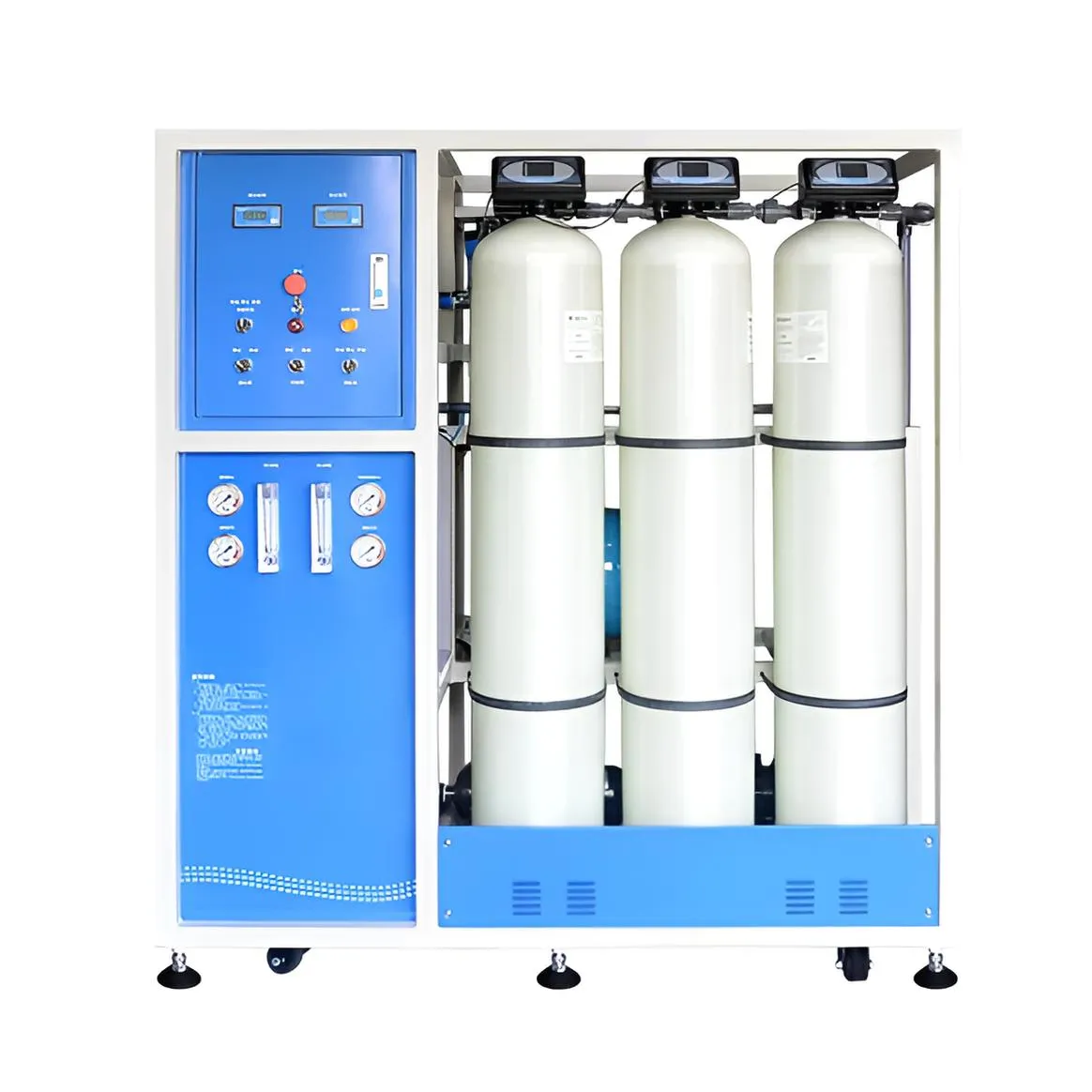
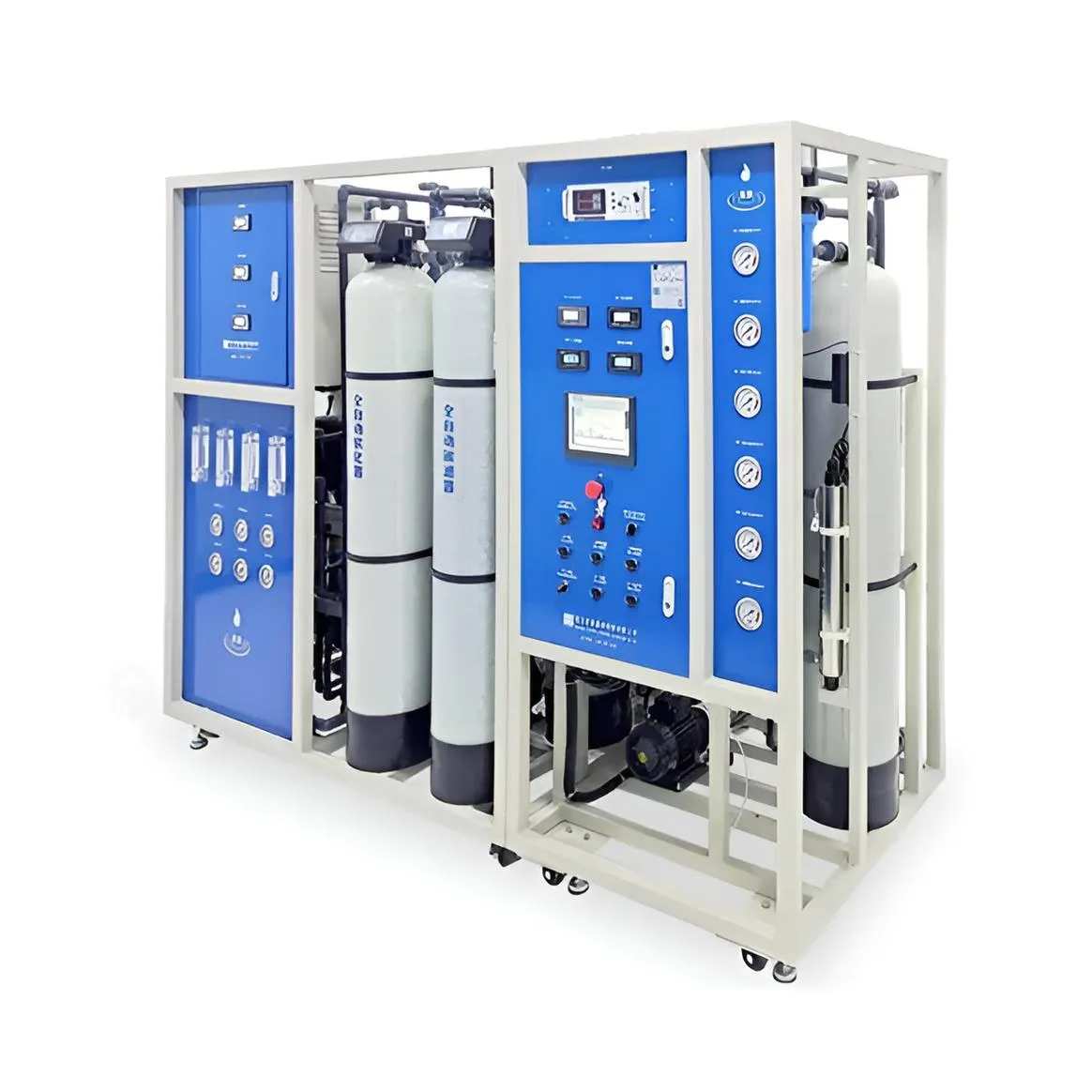
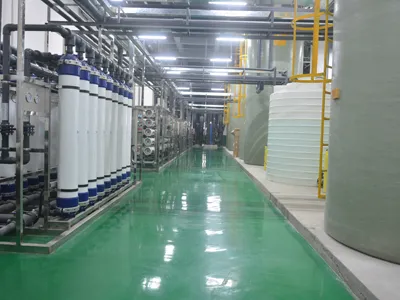
After a period of operation, ultrafiltration membranes will become fouled to varying degrees, requiring cleaning to ensure good product water quality. Ultrafiltration membrane cleaning typically includes backwashing, rapid rinsing, and chemical cleaning. Sometimes, backwashing is performed as needed, and the combination of these steps should be determined based on the specific circumstances. Cleaning procedures will vary depending on the water quality, flow rate, and the type of ultrafiltration equipment. This article will discuss the cleaning procedure for ultrafiltration membranes in ultrafiltration equipment.
This is a highly effective method unique to hollow fiber membrane ultrafiltration. Other types of membranes may decompose or break down during backwashing. In this process, pressurized permeate through the membrane support and membrane body enters the raw water inlet/outlet, and the water flow direction is opposite to that during production; hence the name backwashing. The upper and lower raw water inlets can be drained alternately. Water from the ultrafiltration system can be used for backwashing. The suspension suspended by backwashing will accumulate in the support structure, and then particles, bacteria, and TOC will be continuously released; therefore, the raw water is not suitable for backwashing.
Depending on the quality and contamination level of the raw water, chemical dosing may be considered during backwashing. For water with strong microbial activity, chlorination can be used for backwashing; the backwash flux is initially low and increases slowly as the membrane cleans. It is generally recommended that the backwash pump be equipped with a variable frequency drive (VFD) to adapt the membrane assembly's backwash efficiency as quickly as possible at the recommended maximum water flux under a given pressure.
The main purpose of rapid flushing is to flush a large number of backwashed particles out of the membrane and system; therefore, rapid flushing programs are usually accompanied by backwashing programs. During rapid flushing, the water production outlet is closed, so half of the filtration membrane will simultaneously experience backwashing effects due to the pressure difference between the inlet and outlet. Rapid flushing in staggered directions will make cleaning more effective.
When membrane flux cannot be restored by backwashing and rapid flushing (typically manifested as a certain degree of reduction in membrane flux and a certain degree of increase in transmembrane pressure differential (TMP)), chemical cleaning must be used to restore membrane cleanliness. Chemical cleaning systems typically consist of a washing pump, a washing tank, and corresponding piping. The cleaning agent flows at high speed within the membrane to remove fouling. Chemical cleaning can be completed in one or several steps (alkaline washing, alkaline chlorination washing, acid washing), with the specific steps determined by the degree of fouling.
This concludes the introduction to the cleaning procedure for ultrafiltration membranes in ultrafiltration equipment. Ultrafiltration equipment is now widely used, and after installation, it requires maintenance. To ensure proper equipment operation and qualified water quality, regular attention should be paid to the fouling status of the ultrafiltration membrane.





