





Phone:
0086 28 87573647
+86 19150187139

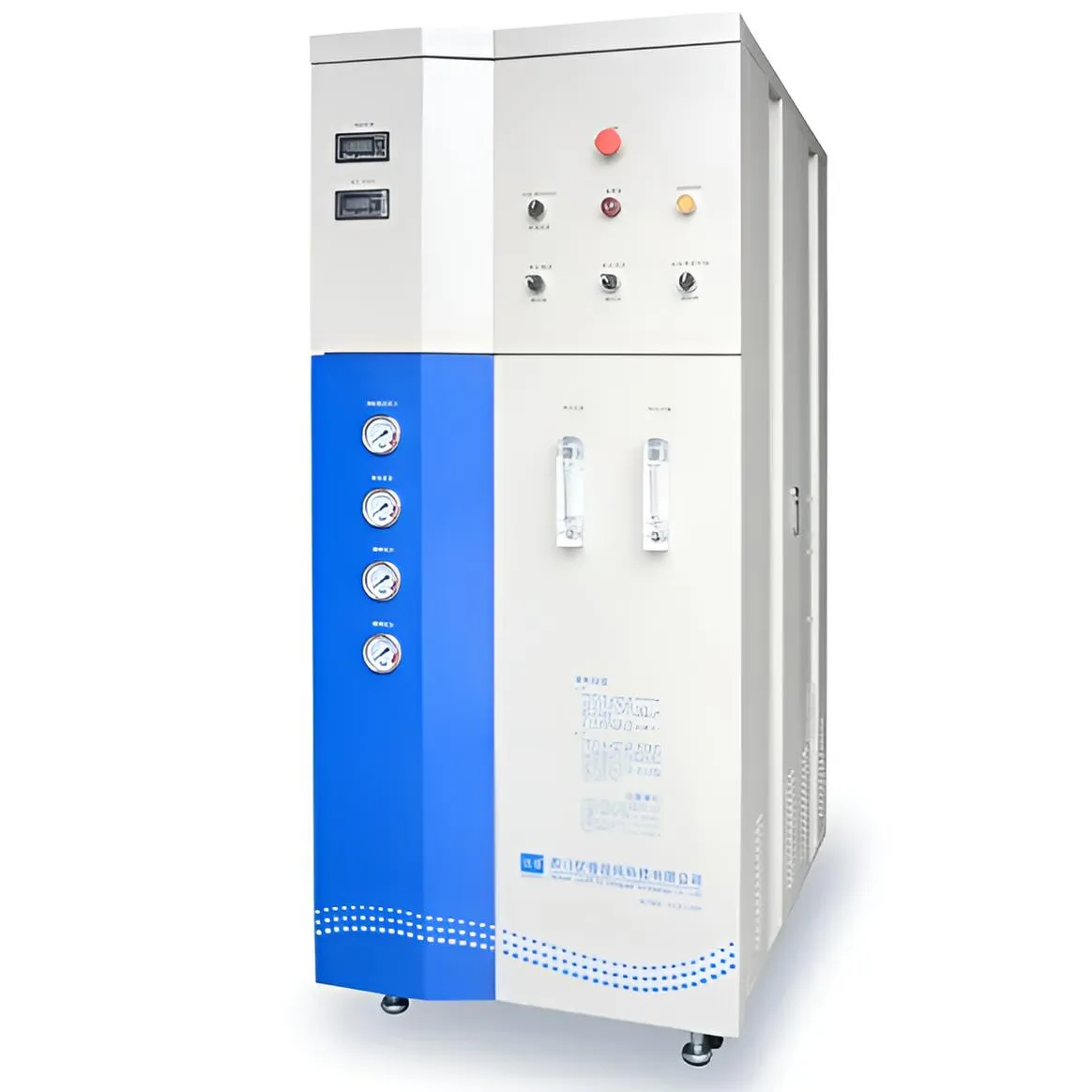
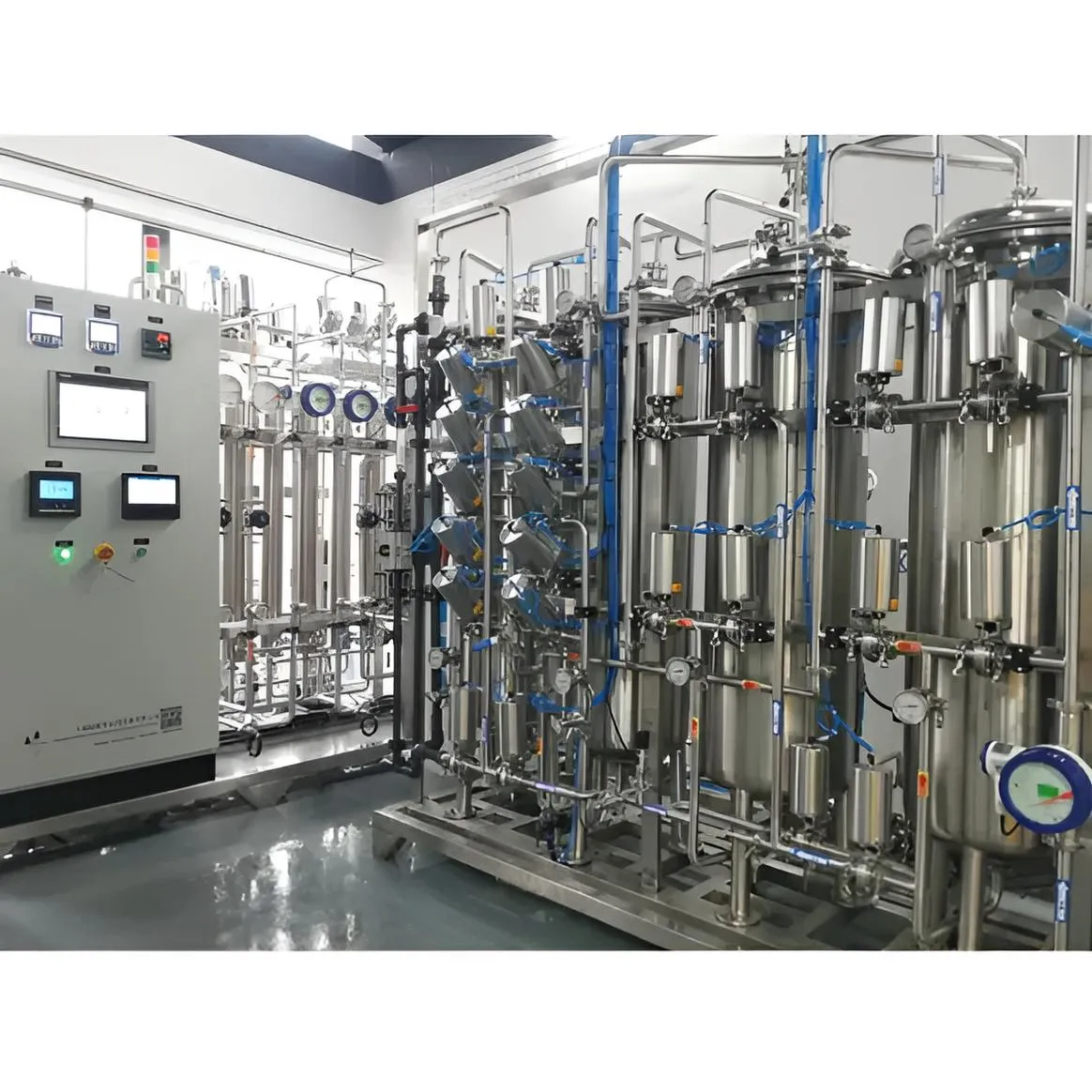
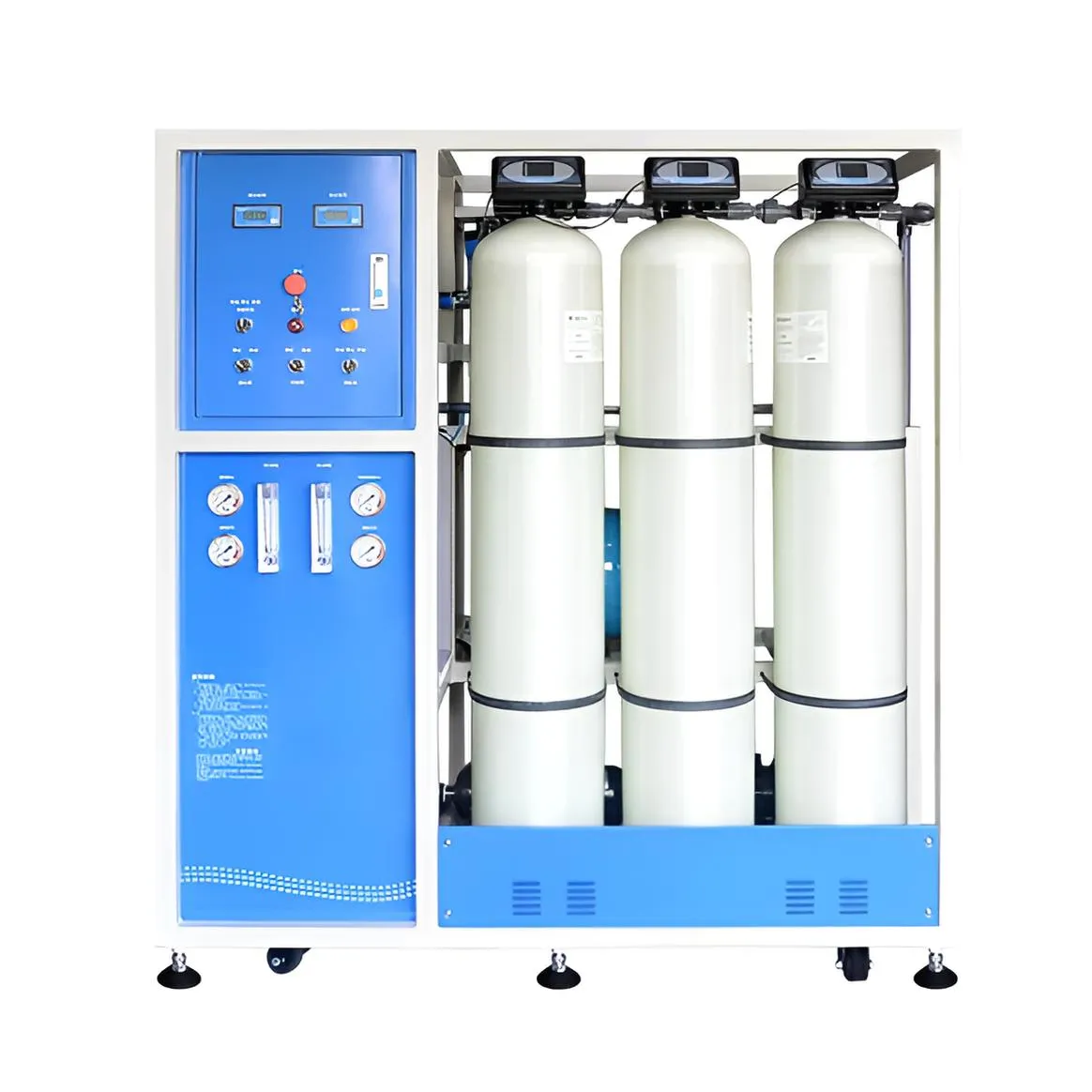
In using an ultrapure water system, its general working principle is as follows: raw water is pre-treated by activated carbon and a precision filter to remove water-insoluble impurities. Then, the water is desalinated through a reverse osmosis system to obtain pure water. Further, the pure water undergoes ultrapure water treatment to obtain ultrapure water. Some ultrapure water systems, to meet even higher water quality requirements, incorporate ultraviolet light, microfiltration, and ultrafiltration to remove pyrogens and other pollutants, resulting in even purer water. So, what should we pay attention to regarding the components of an ultrapure water system during use?
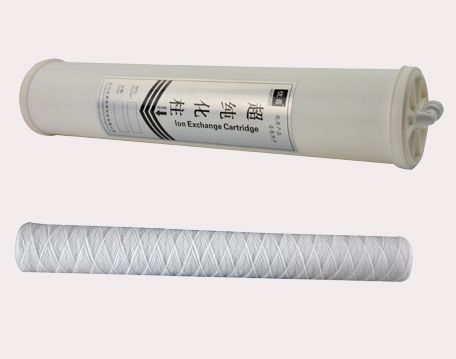
UPU Ultrapure Water Column and Wound Filter Cartridge
1. Water Extraction
Ultrapure water systems typically produce two types of water: pure water and ultrapure water. Therefore, it's important to select the appropriate type based on your needs to avoid increasing operating costs.
2. Pretreatment
Pretreatment generally consists of activated carbon and a precision filter cartridge. UPU ultrapure water systems use AC activated carbon, copper-zinc alloy, and silicon phosphate crystals for pretreatment, effectively removing odors and large particles from the water. Based on experience, activated carbon typically needs replacement every 6-8 months. Precision filter cartridges should be replaced if their color changes.
3. RO Reverse Osmosis
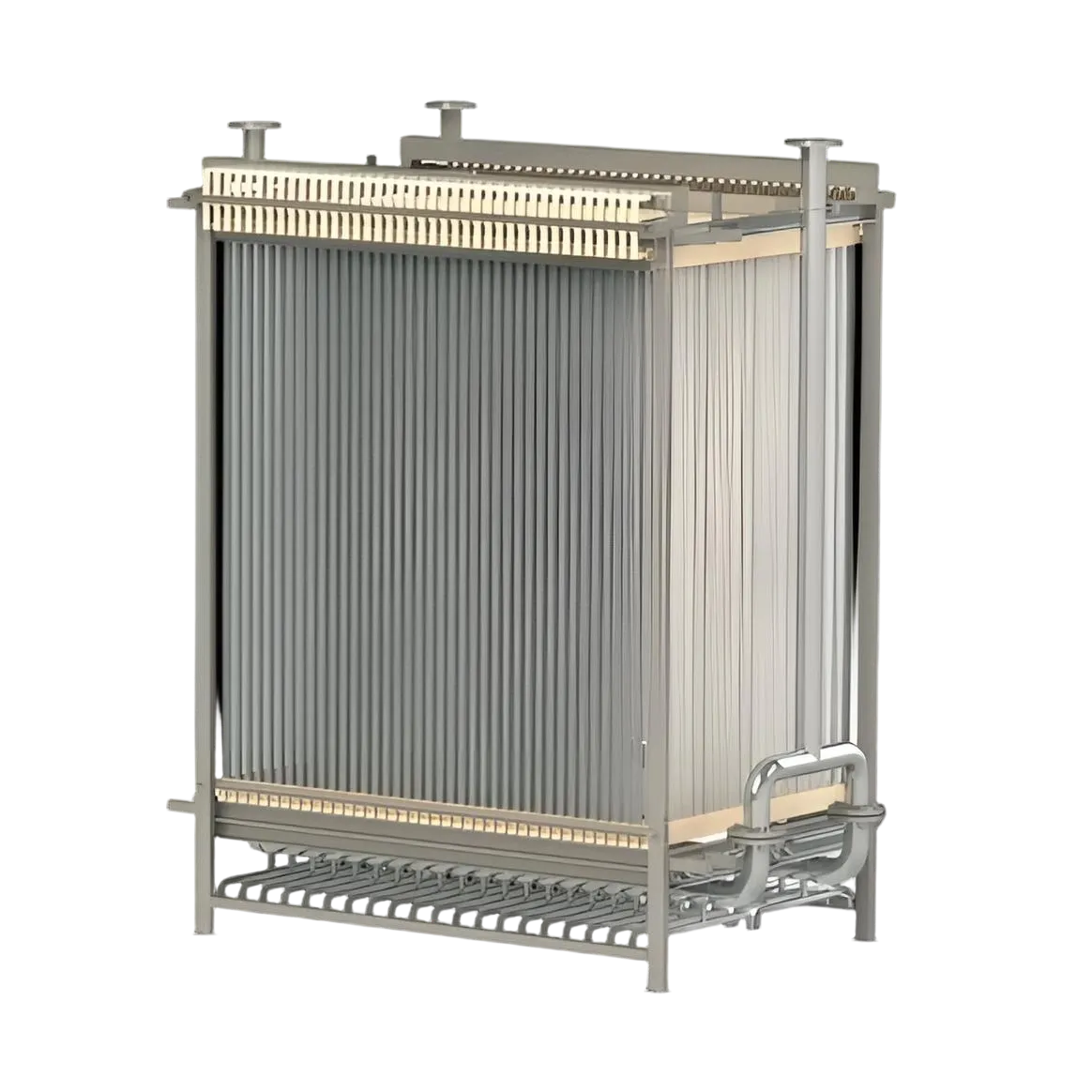
The reverse osmosis membrane is a crucial component of an ultrapure water system. Its pore size is extremely small, so bacteria and other microscopic substances often accumulate on its surface during use. Ultrapure water systems have a backwashing function to remove these surface impurities. If not used for an extended period, the reverse osmosis membrane needs to be removed and soaked in disinfectant to prevent bacterial growth. However, this process is rather cumbersome. It is recommended to frequently run small amounts of water even when not in use to ensure internal water circulation and minimize stagnant water buildup. The lifespan of a reverse osmosis membrane is 1-2 years, primarily determined by water usage and quality.
4. Ultrapurification
Ultrapurification systems generally come in two types: EDI (electrodeionization) and mixed resin purification. EDI is typically used for purification processes with high water usage. In laboratories, mixed resin purification is generally used. Both systems perform deep desalination of reverse osmosis pure water, ultimately achieving Grade I or ultrapure water levels. The principle of mixed resin purification is ion exchange. The lifespan of the purification column is indicated by online resistivity. A resistance below a certain threshold indicates the column has expired, which is quite intuitive. Besides water usage, the lifespan is significantly influenced by the amount of ion exchange resin used and the quality of the ion exchange resin itself.
The above are the precautions for ultrapure water machine components summarized by UPU editor. As long as we operate the ultrapure water machine correctly and replace and maintain it in time when needed, the service life of an ultrapure water machine will be very long.





