






Phone:
0086 28 87573647
+86 19150187139

As we all know, the water requirements in our hospitals are very high. Different departments need to meet different standards for purified water before it can be used. A hospital's laboratory, operating room, and preparation room all require high-quality purified water. To save costs, improve efficiency, and solve the problem of centralized water production in hospitals, centralized differentiated water supply systems have emerged. So, what requirements must such a system meet in its use?
1. It must be suitable for simultaneous water use in multiple buildings, multiple floors, and multiple departments, as well as for water used for different purposes and with different qualities;
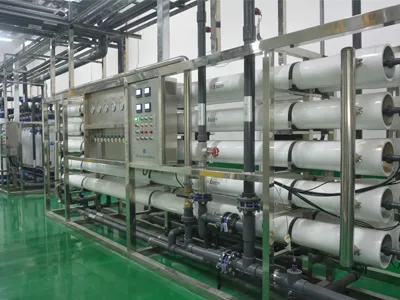
2. It must comprehensively utilize reverse osmosis technology, pressure control technology, and sterilization technology to produce water of various qualities at high flow rates;
3. It must have a small footprint, save space, facilitate management, and have low maintenance and operating costs.
The above are three main aspects of the requirements that a centralized differentiated water supply system for hospitals must meet. To understand this more clearly and in detail, let's look at the system's parameters and technical standards.
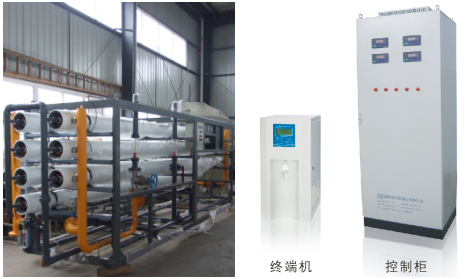
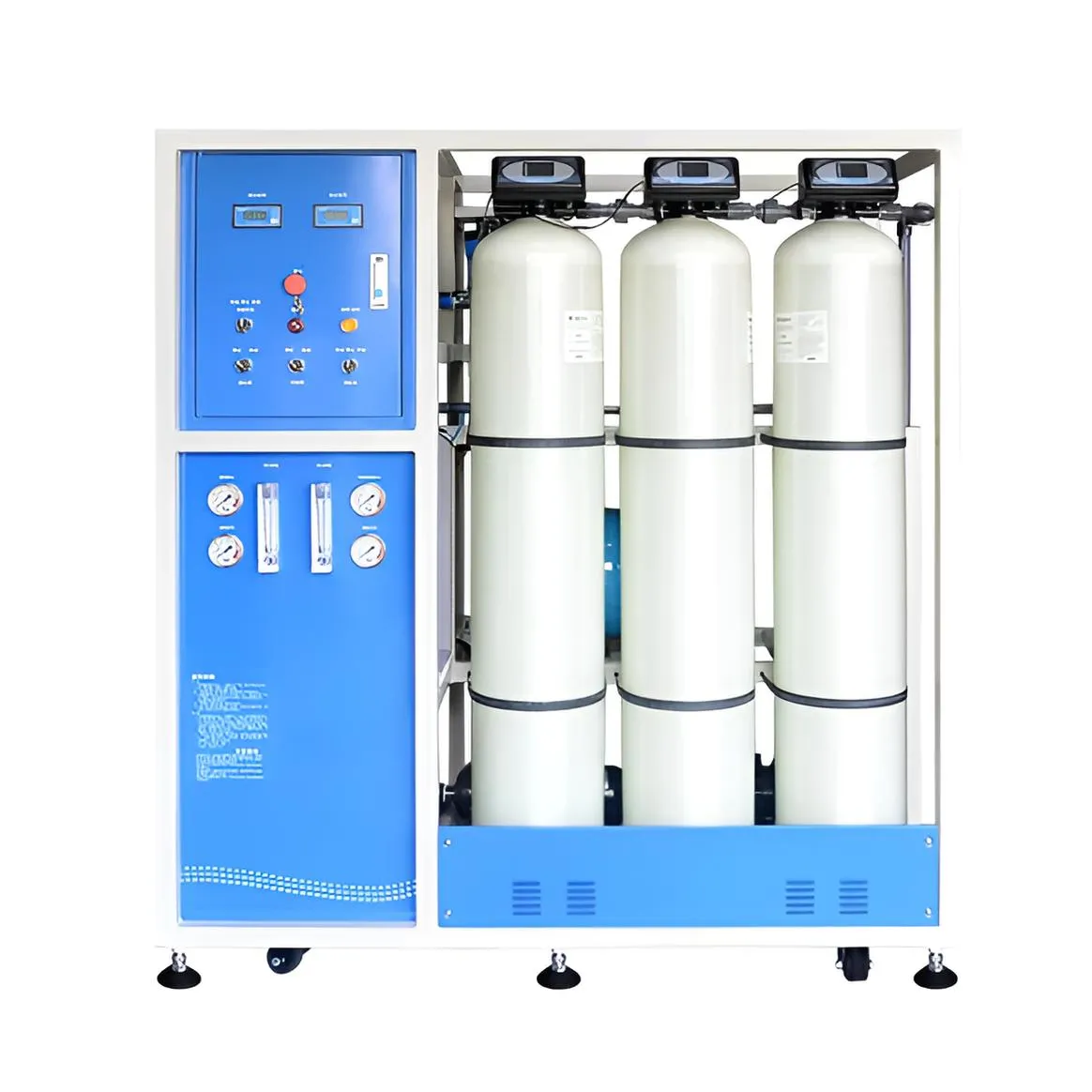
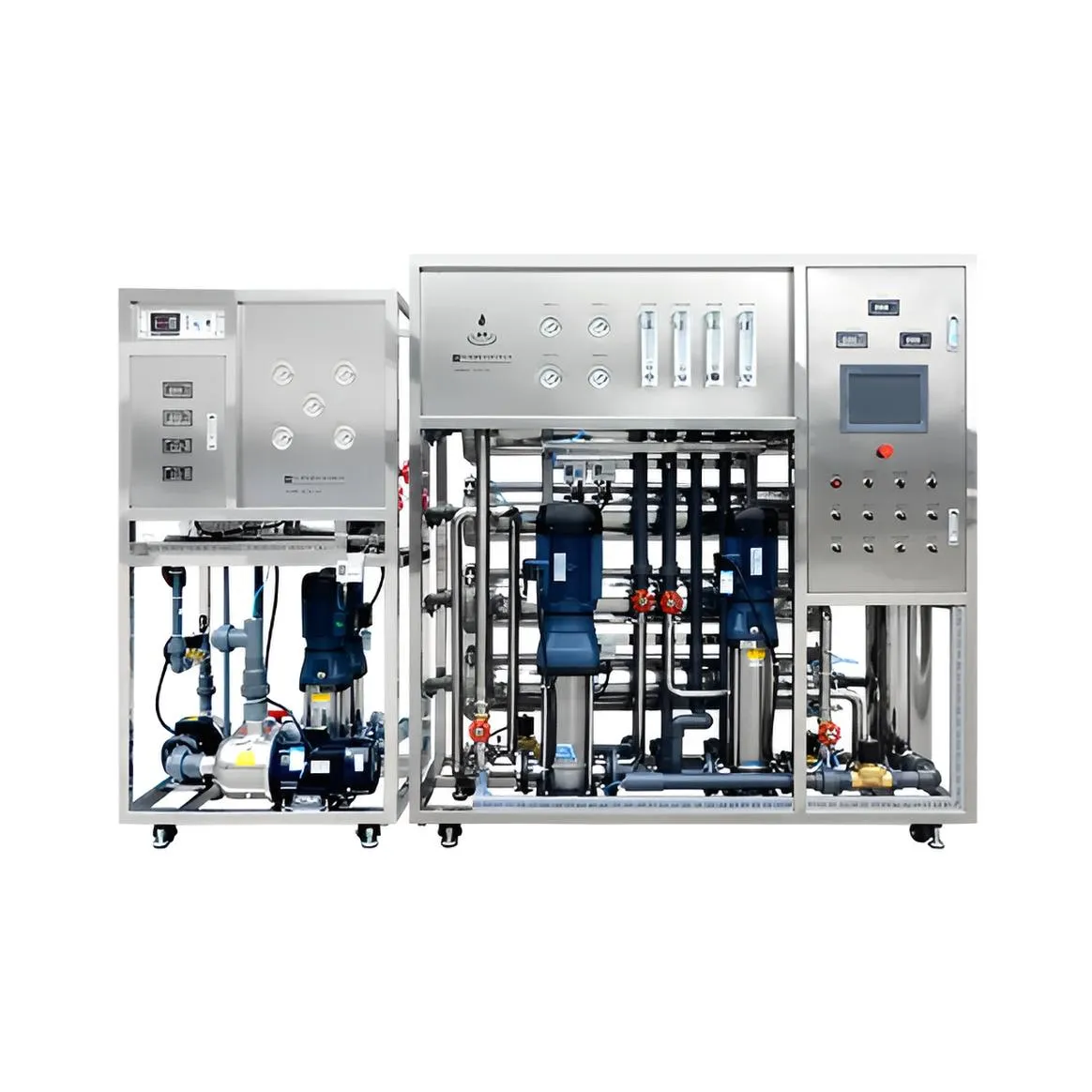
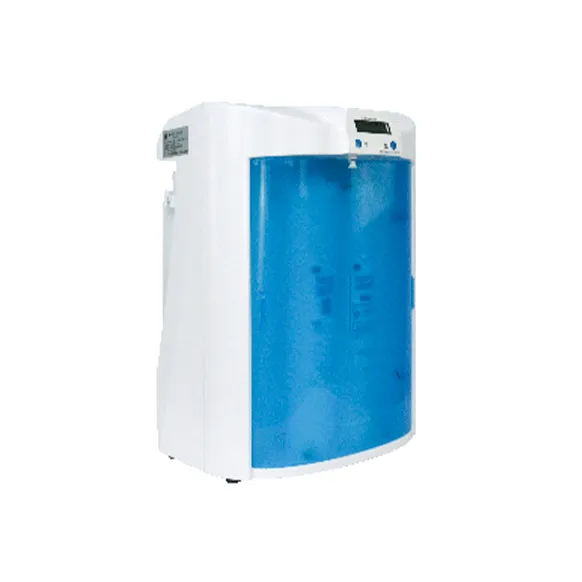
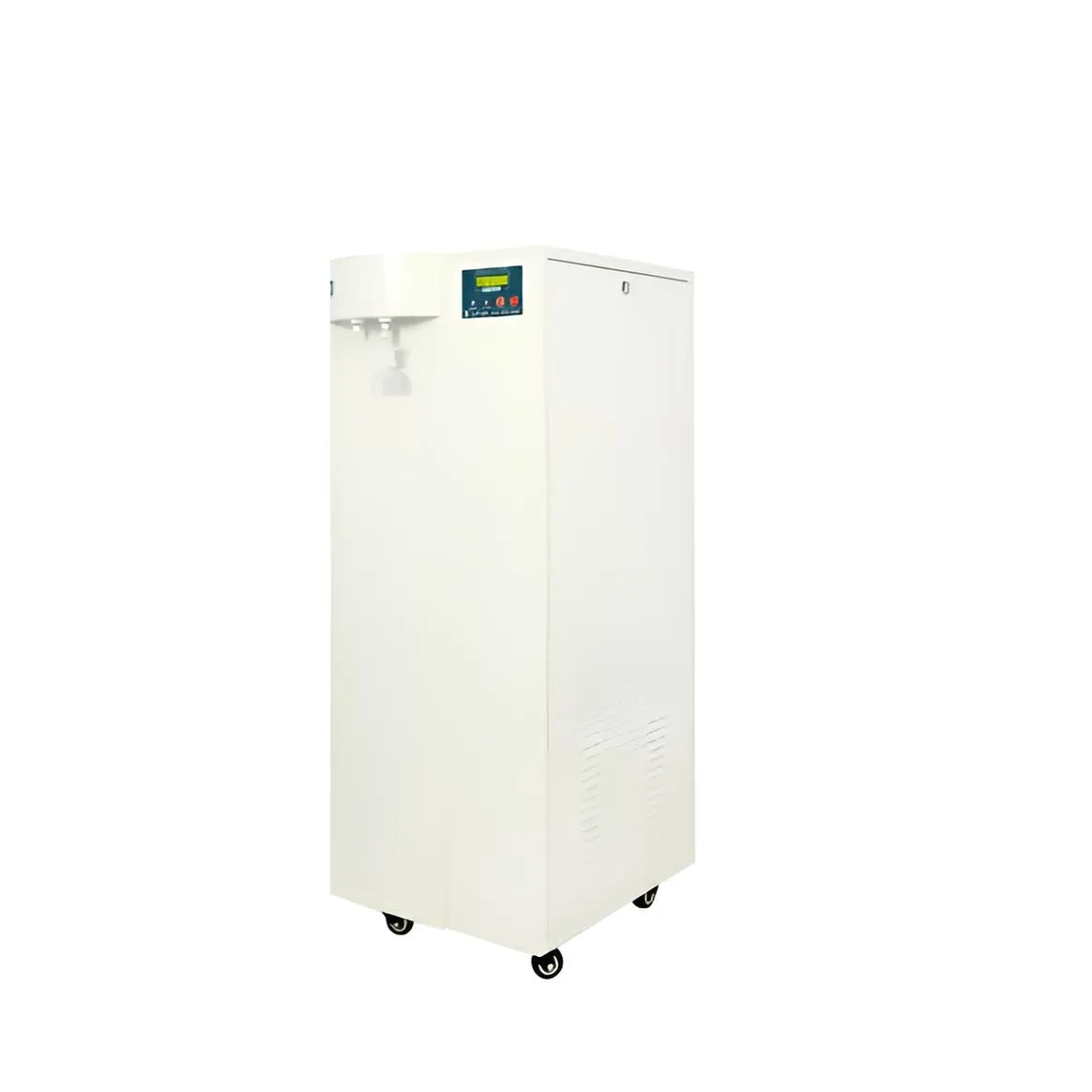
ULPZY Centralized Differentiated Water Supply System
① Integrates reverse osmosis technology and pressure control technology, combined with sterile UF pyrogen removal technology;
② Inlet water source: municipal tap water or groundwater, water pressure 1-5 kg/cm², water temperature 5-45℃;
③ RO purified water: conductivity ≤5μs/cm, microbial/pyrogen (endotoxin) removal rate ≥99%;
④ Water production capacity (L): 250/500/750/1000/1500/2000;
⑤ Available in single-stage and double-stage reverse osmosis configurations, and can be equipped with various specifications of terminal units;
⑥ Fully automatic functions including automatic water production, automatic main unit flushing, automatic shutdown when source water is low/tank is full, and high/low pressure alarms;
⑦ Can simultaneously display multiple parameters, including conductivity, temperature, operating status, and relevant alarm information;
⑧ Employs multiple interface technologies, allowing direct connection and use with domestic and international water-using instruments and equipment;
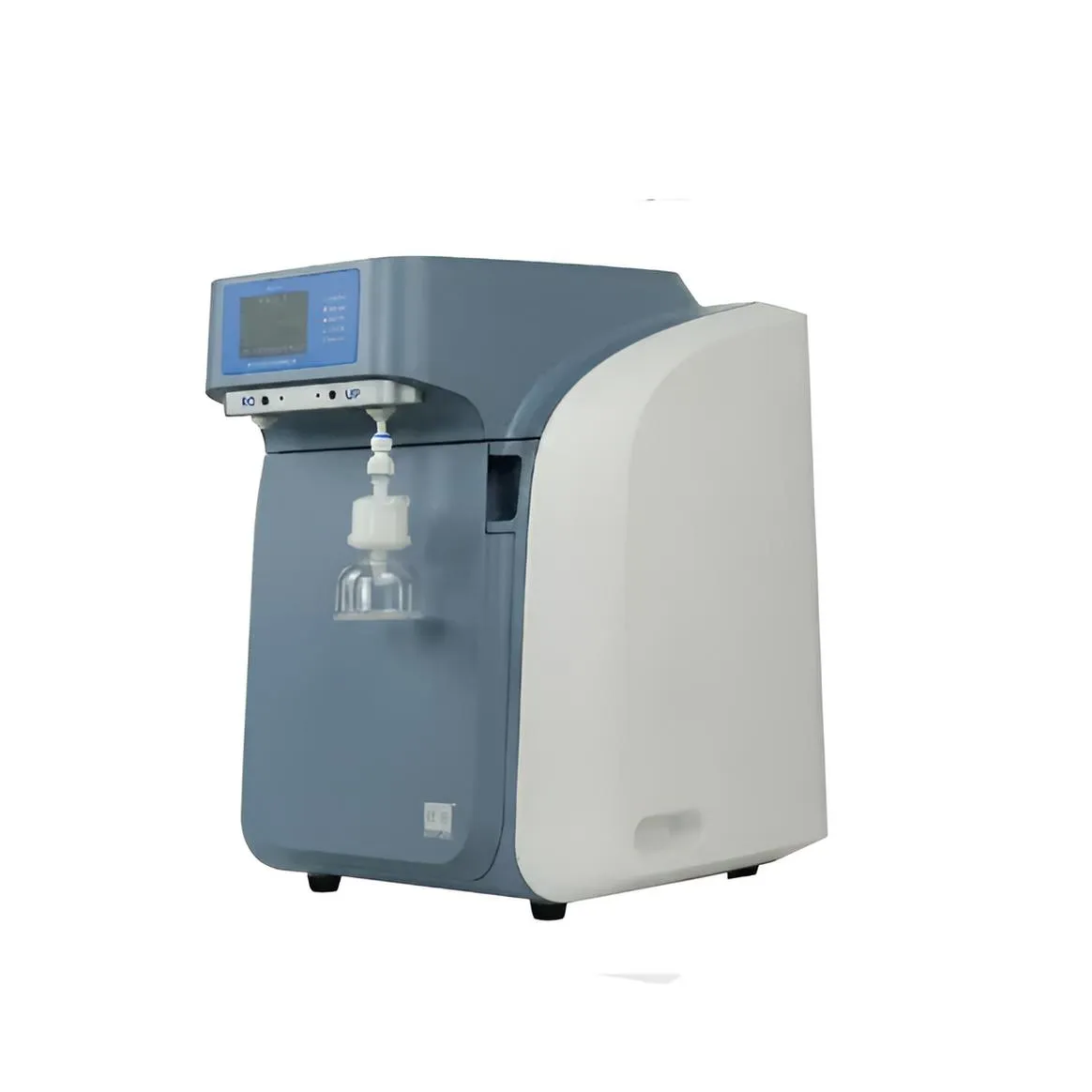
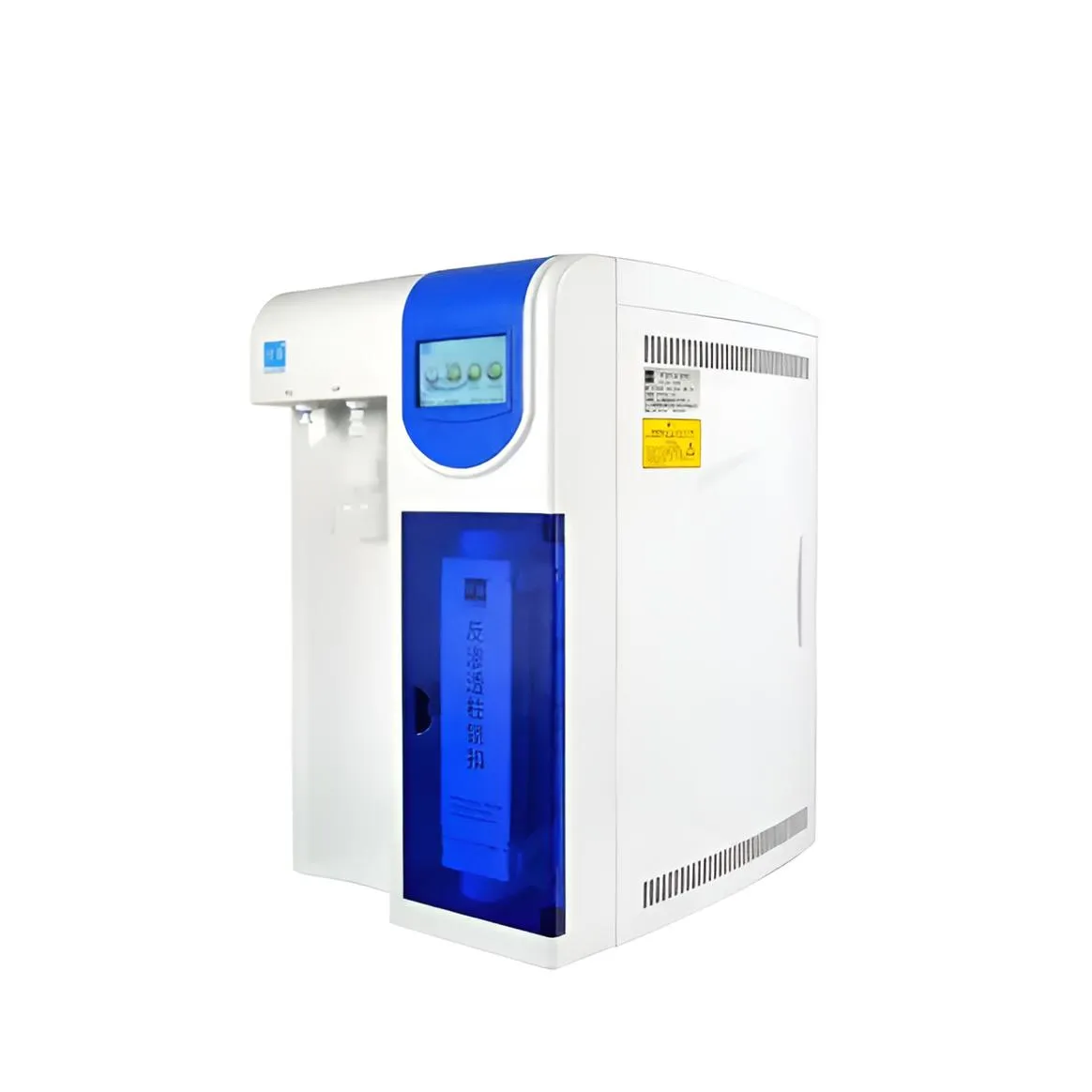
⑨ The terminal is equipped with a UPHW series ultrapure water system, producing water that meets Class I water quality requirements of ASTM, MCCLS, and DIN ISO 3696 standards;
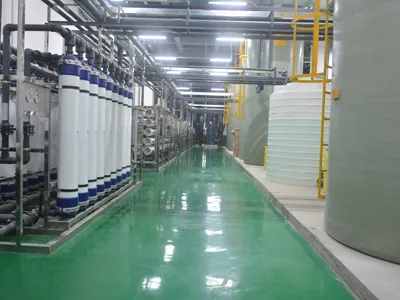
⑩ The main unit has a compact structure, occupying 5-40㎡ of space. Its process design is standardized, universal, and modular, facilitating disassembly, replacement, and cleaning of parts;
⑪ Optional accessories include water tank material and capacity, endotoxin filter, micro printer output, monitoring software, and a computer control system; We can use this system to better understand the conditions that a centralized differentiated water supply system must meet. In the industry, the quality of medical water is crucial, as it optimizes hospital treatment and testing outcomes, making our lives safer and healthier.





