






Phone:
0086 28 87573647
+86 19150187139

Ultrapure water systems have specific requirements for raw water temperature to operate normally. We often see notes in ultrapure water system specifications that for every 1°C drop in water temperature, the RO membrane's water production decreases by approximately 3%. When the water temperature drops below 5°C, the RO membrane will stop producing water. While we usually focus on the impact of low temperatures on ultrapure water systems, rising temperatures also have an effect:
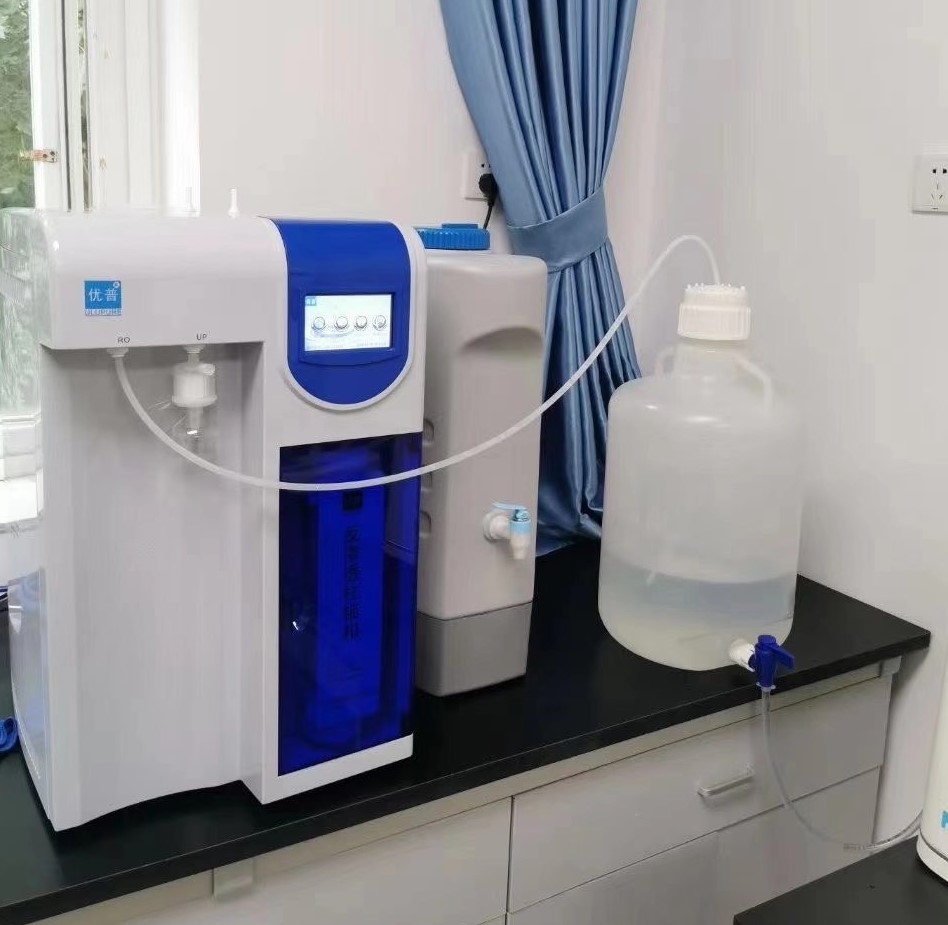
High temperatures significantly negatively impact the performance of reverse osmosis membranes in ultrapure water systems. The desalination rate of the reverse osmosis membrane decreases inversely with increasing water temperature. This is because, under constant flow conditions, higher water temperature reduces viscosity, leading to an increase in flow rate. This directly results in a decrease in operating pressure, ultimately reducing the desalination rate. Therefore, appropriate measures should be taken when water temperature rises, adjusting and maintaining the system according to the actual situation.
Furthermore, the effects of high temperatures extend beyond a decrease in the desalination rate. Higher water temperatures create a favorable environment for the growth and reproduction of microorganisms, leading to microbial contamination of the equipment. Most bacteria thrive in water temperatures between 15°C and 30°C, and their metabolic and growth rates increase with rising temperatures.
When microorganisms enter the concentrate section of the reverse osmosis system, the nutrients there serve as their growth and reproduction fuel. They multiply rapidly and can form a biofilm on the reverse osmosis membrane surface within days, increasing the pressure difference between the inlet and outlet water of the reverse osmosis system. This not only reduces the desalination rate but also decreases the permeate flow, and the produced water becomes contaminated.
The above is an introduction to the adverse effects of increased water temperature on ultrapure water systems. When microbial contamination is detected in the ultrapure water system, immediate measures should be taken to clean the equipment. Chemical cleaning with a 0.1% NaOH solution is recommended, and the cleaning environment should be below 30 degrees Celsius and with a pH of 11-12.





