

Phone:
0086 28 87573647
+86 19150187139

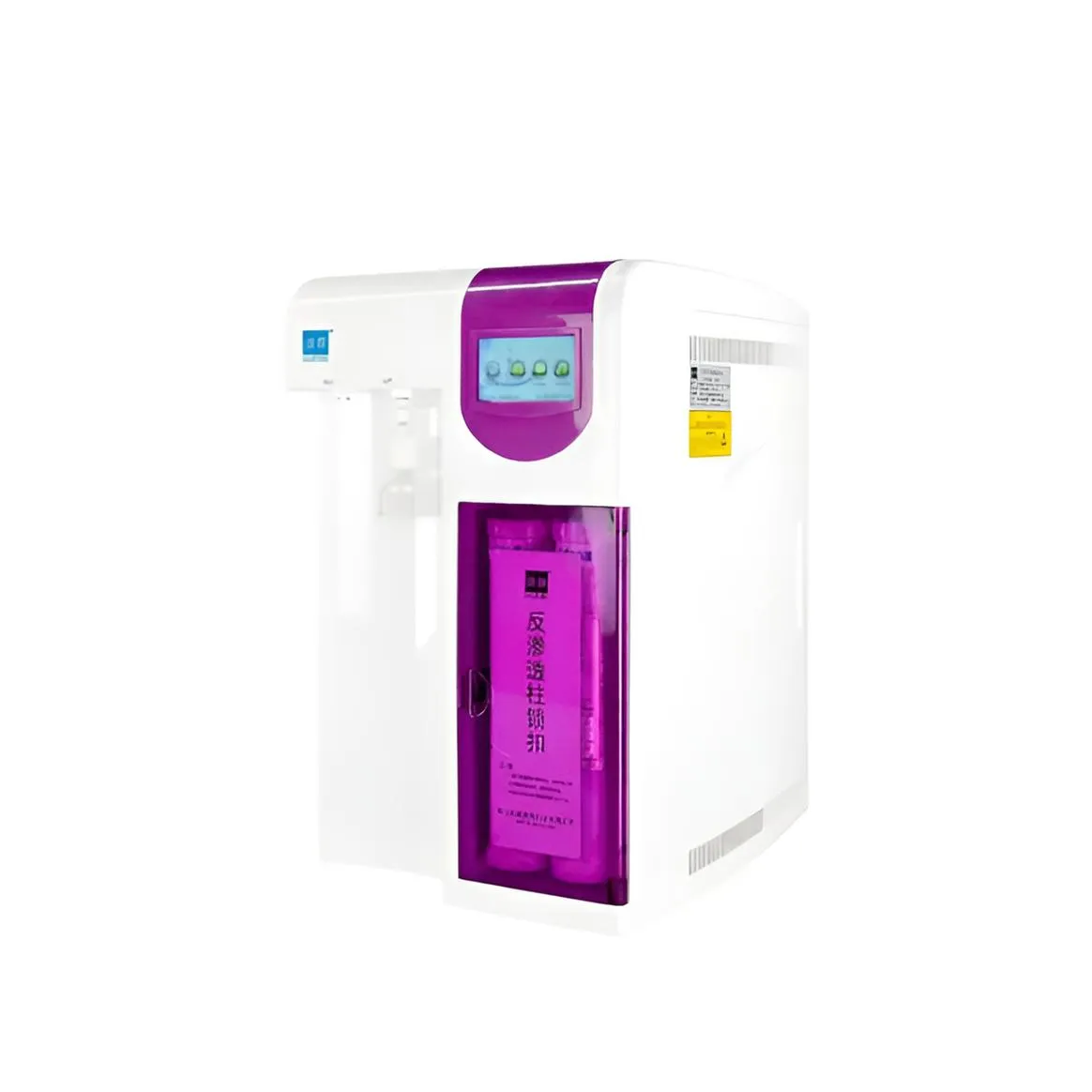
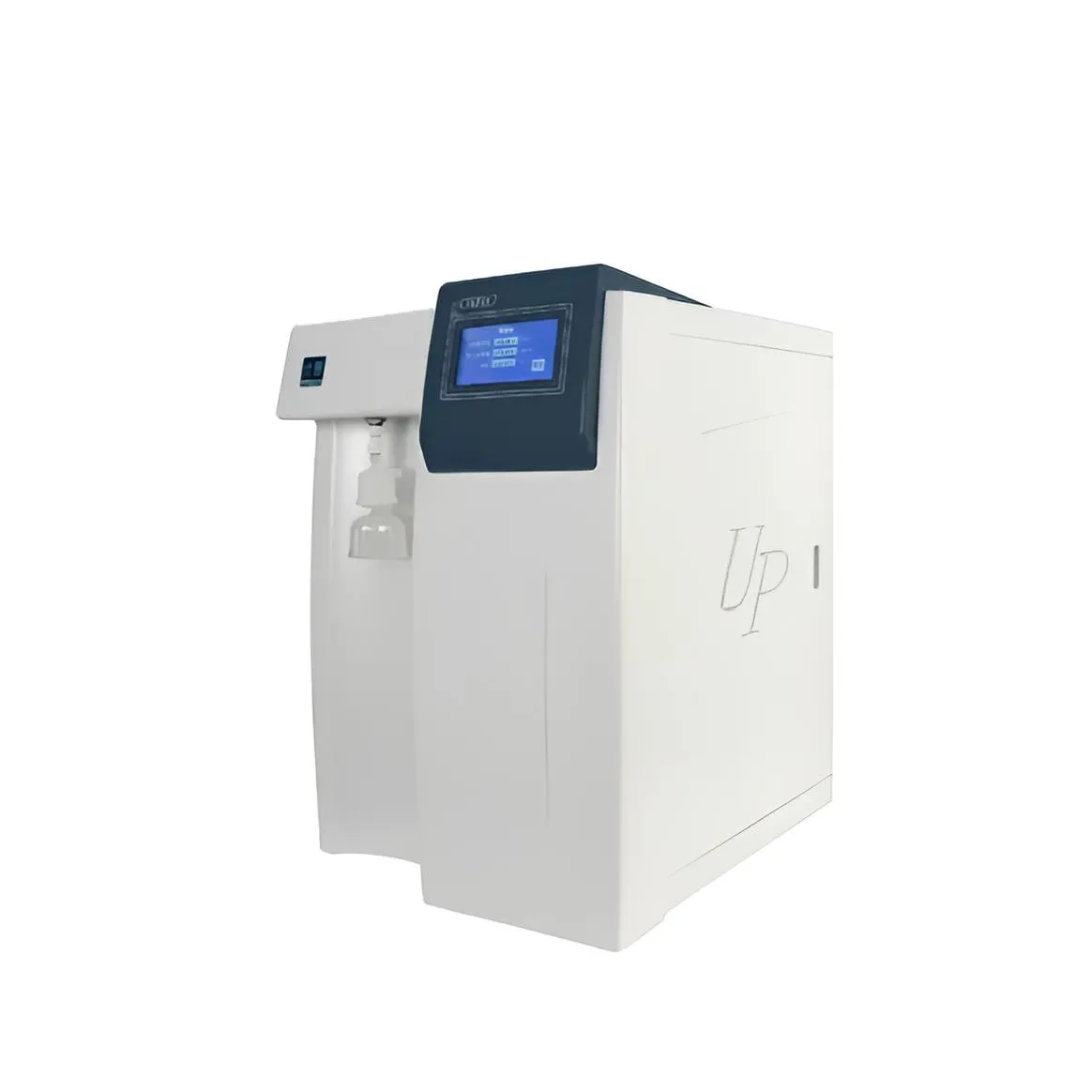
Ultrapure water systems, commonly used in laboratories to provide pure and ultrapure water for experiments, are widely applied across various industries. We know that ultrapure water systems require regular replacement of consumables. So, what are the components of ultrapure water system consumables? And under what circumstances do they need to be replaced?
1. Ultrapure Water System Pretreatment
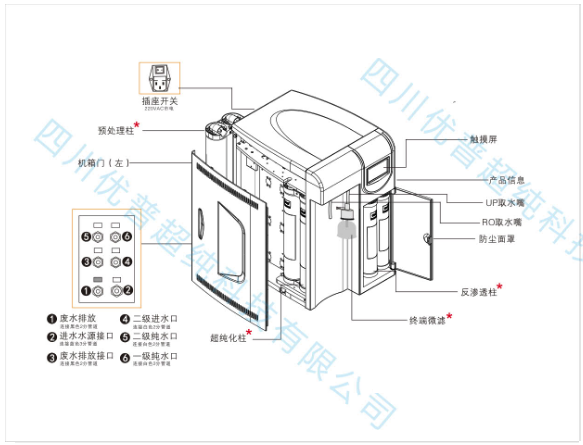
The pretreatment process of an ultrapure water system primarily removes impurities such as discoloration and organic matter from the raw water. Tap water contains residual chlorine, which has a significant oxidizing effect on reverse osmosis membranes, so it also needs to be removed through pretreatment. Pretreatment typically consists of PP filter cartridges, activated carbon, etc. Under normal circumstances, the pretreatment cartridge needs to be replaced every 3-6 months.
2. Reverse Osmosis Membrane in Ultrapure Water System
The reverse osmosis membrane is a crucial component of an ultrapure water system. Its pores are extremely small, so bacteria and other microscopic substances often accumulate on its surface during use. The backwashing function of the water system is designed to remove these contaminants. We can usually clean the reverse osmosis membrane using the backwashing function. If it's not used for an extended period, it needs to be removed and soaked in disinfectant to prevent bacterial growth; however, this process is rather cumbersome. It's recommended to frequently run small amounts of water even when not in use to circulate the water inside the machine and minimize the time stagnant water accumulates. The replacement cycle for the reverse osmosis membrane is generally 18-24 months, depending on the customer's water consumption and the quality of the primary water source.
3. Purification Column in Ultrapure Water System
The ultrapure water purification column performs deep desalination on the reverse osmosis water, ultimately producing ultrapure water that meets laboratory requirements. Its principle is ion exchange. Under normal circumstances, an ultrapure water column can produce 1.0 ton of ultrapure water with an influent flow rate of 15 μs/cm. However, the lifespan of an ultrapure water column can usually be indicated by online resistivity. If the resistivity is lower than a certain value, it means that the column has expired, which is quite intuitive.