





Phone:
0086 28 87573647
+86 19150187139

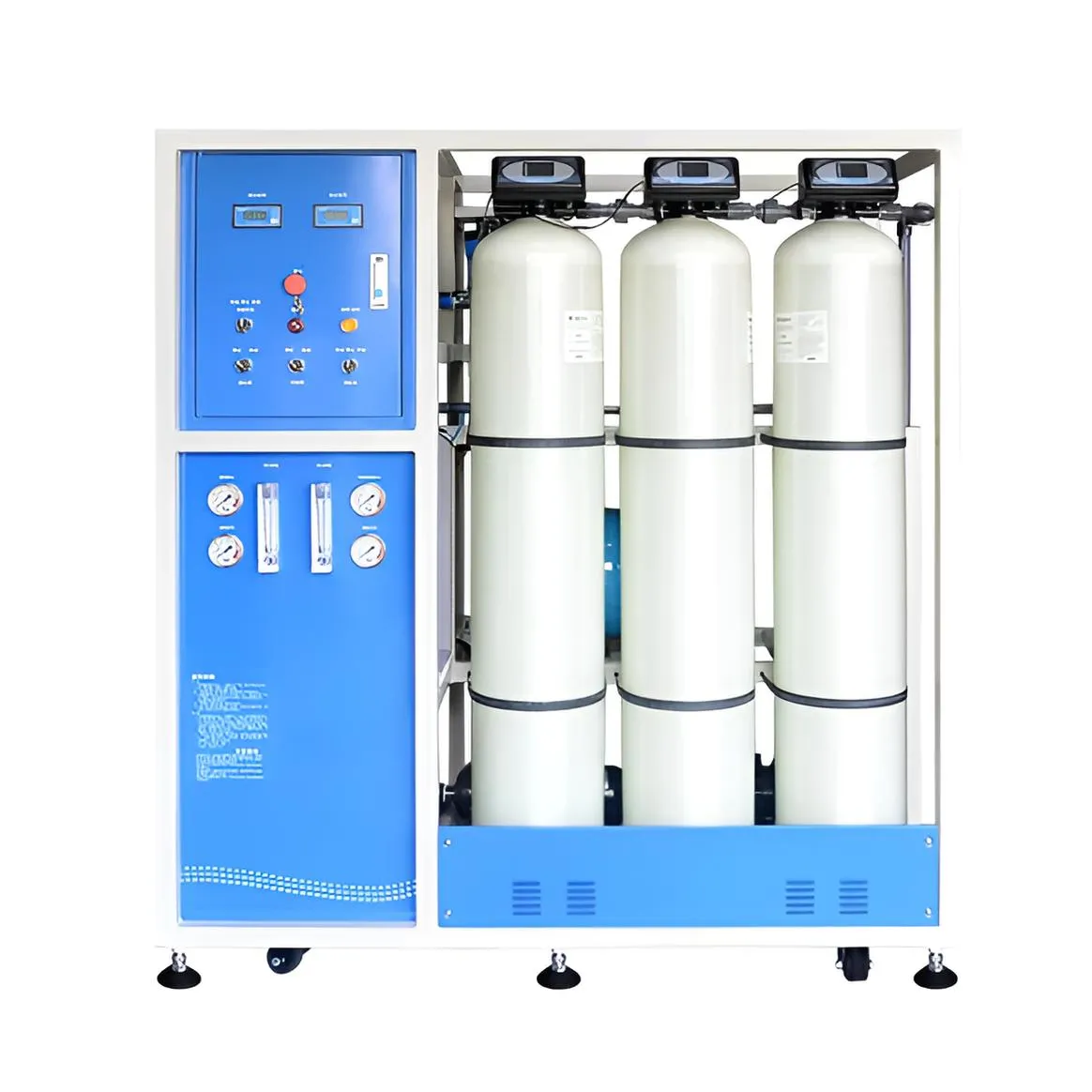
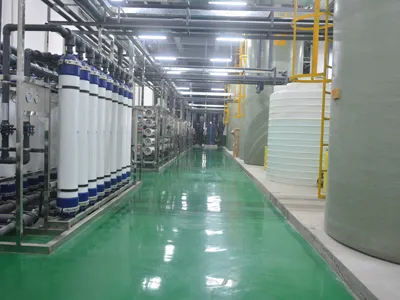
In water treatment processes, activated carbon filters are used to adsorb organic matter and remove excess chlorine (residual chlorine). Their removal capacity for organic matter is relatively poor, typically around 50%, while their removal capacity for residual chlorine is very strong, capable of completely removing it. This is because, while adsorbing residual chlorine, the activated carbon itself is also chlorinated.
Activated carbon adsorbs nutrients in the water, which can create a breeding ground for bacteria and microorganisms. Microorganisms significantly increase water resistance; therefore, regular backwashing is necessary. If backwashing is ineffective, sterilization should be performed. In practice, it is more meaningful to arrange a reasonable backwashing schedule based on the influent turbidity. Since microbial films and slime are difficult to remove, air scrubbing is necessary.





