






Phone:
0086 28 87573647
+86 19150187139

In the laboratory, water is not only a solvent, but also an "invisible judge" of experimental results. Ultrapure water, pure water, distilled water... behind the different names of water lie vast differences in water quality. Choosing the wrong water can lead to the complete destruction of cells and cause the HPLC baseline to "dance." Understand the water quality code in 5 minutes and accurately match your experimental needs.
| Type | resistance | Key Indicators | Typical process |
| Level 3 Water | ≥0.5 MΩ.cm | No identifiable organic matter, microbiological requirements | Distillation/Reverse Osmosis(RO) |
| Level 2 Water | ≥1MΩ:cm (25°C) | TOC<500 ppb microorganism<100CFU/mL | RO + ion exchange (mixed bed) |
| Level 3 Water | ≥18.25 MΩcm | TOC<10 ppb endotoxin< 0.03 EU/mL | RO + two-stage mixed bed + ultrafiltration + UV oxidation |
Distilled water: Traditional process, removing most ions through vaporization and condensation, but still contains significant amounts of organic matter and microbial residue, equivalent to grade 3 water, suitable for cleaning glassware.
Pure water (RO water): Water filtered using reverse osmosis technology, removing over 95% of ions, with a TOC of approximately 100-500 ppb, meeting the requirements for routine chemical analysis.
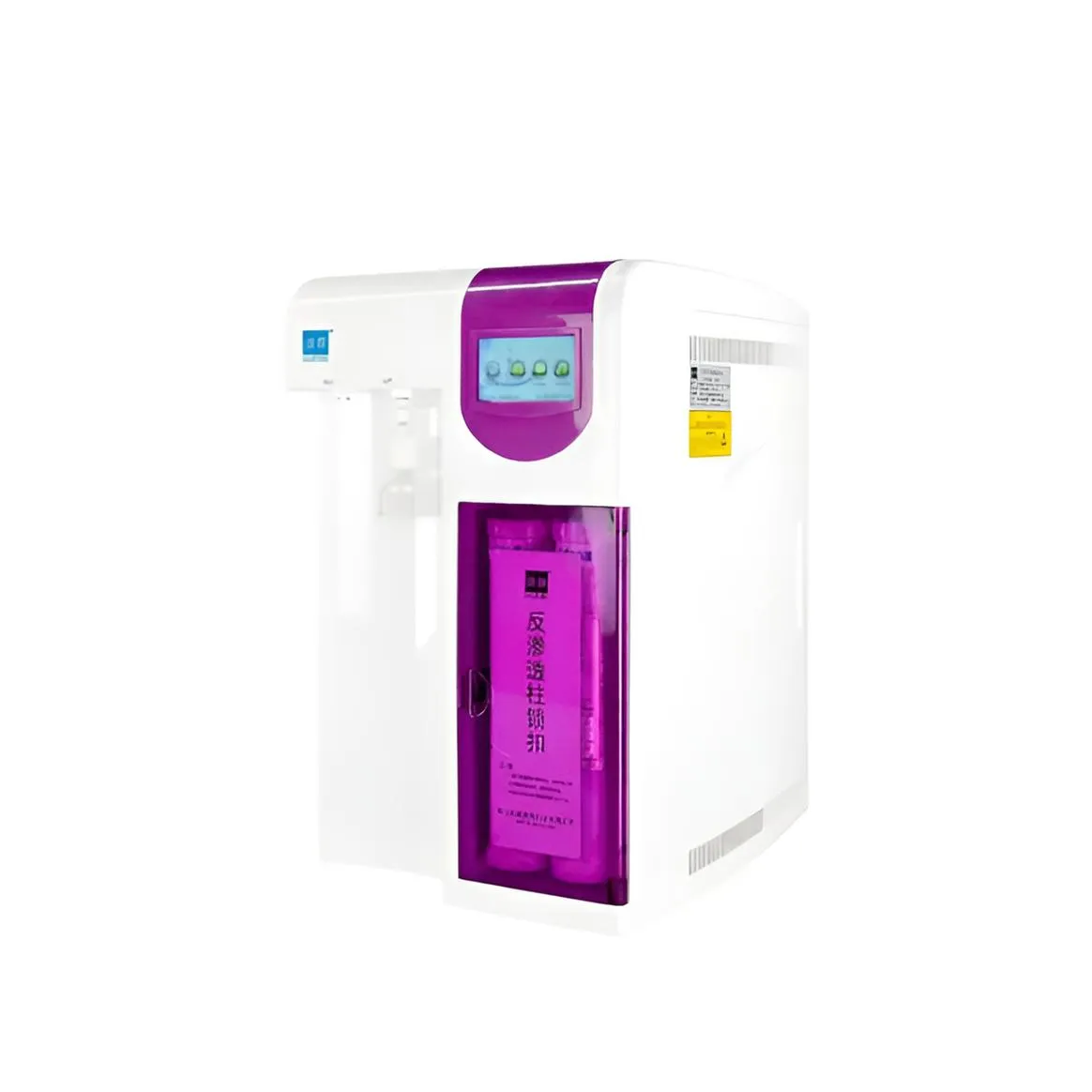
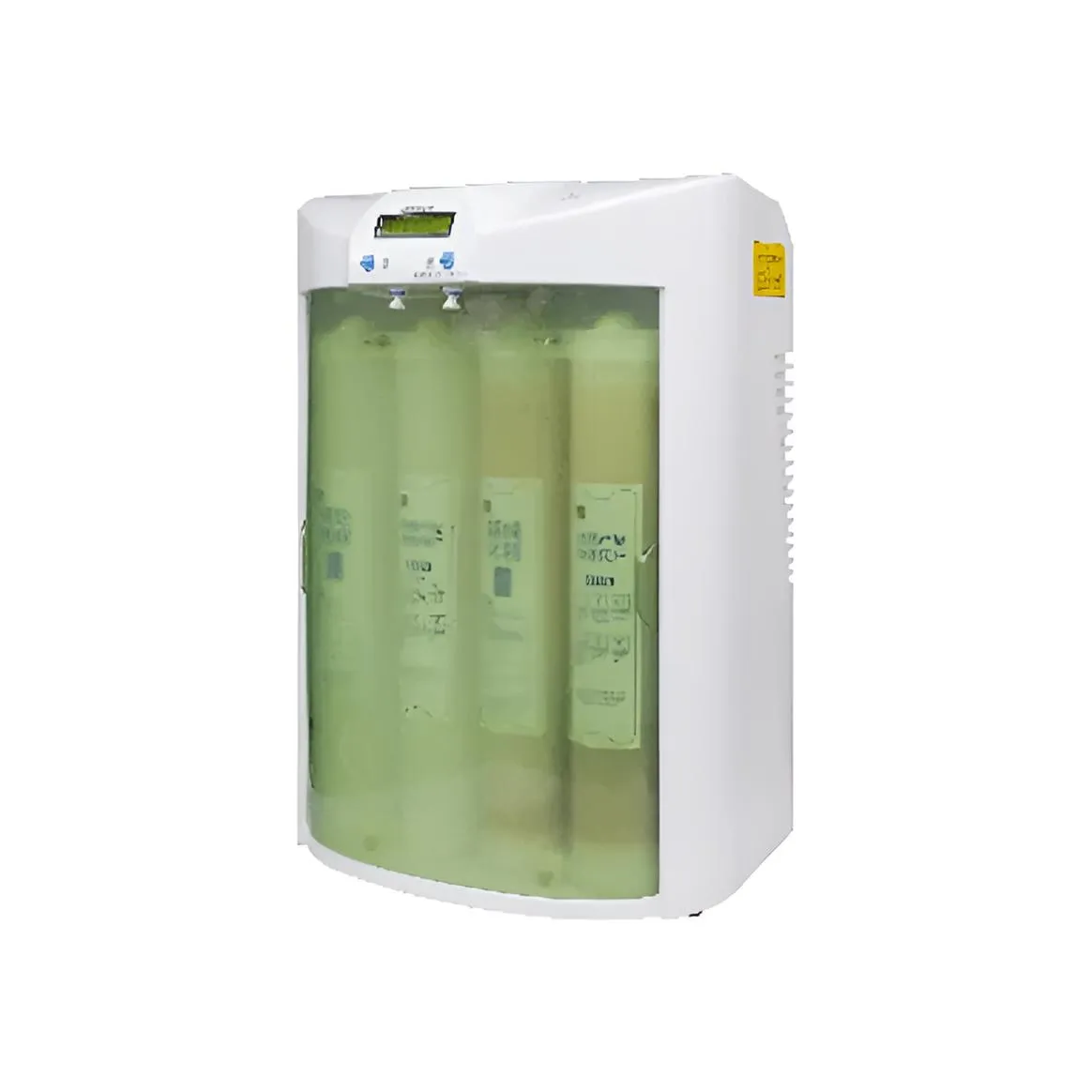
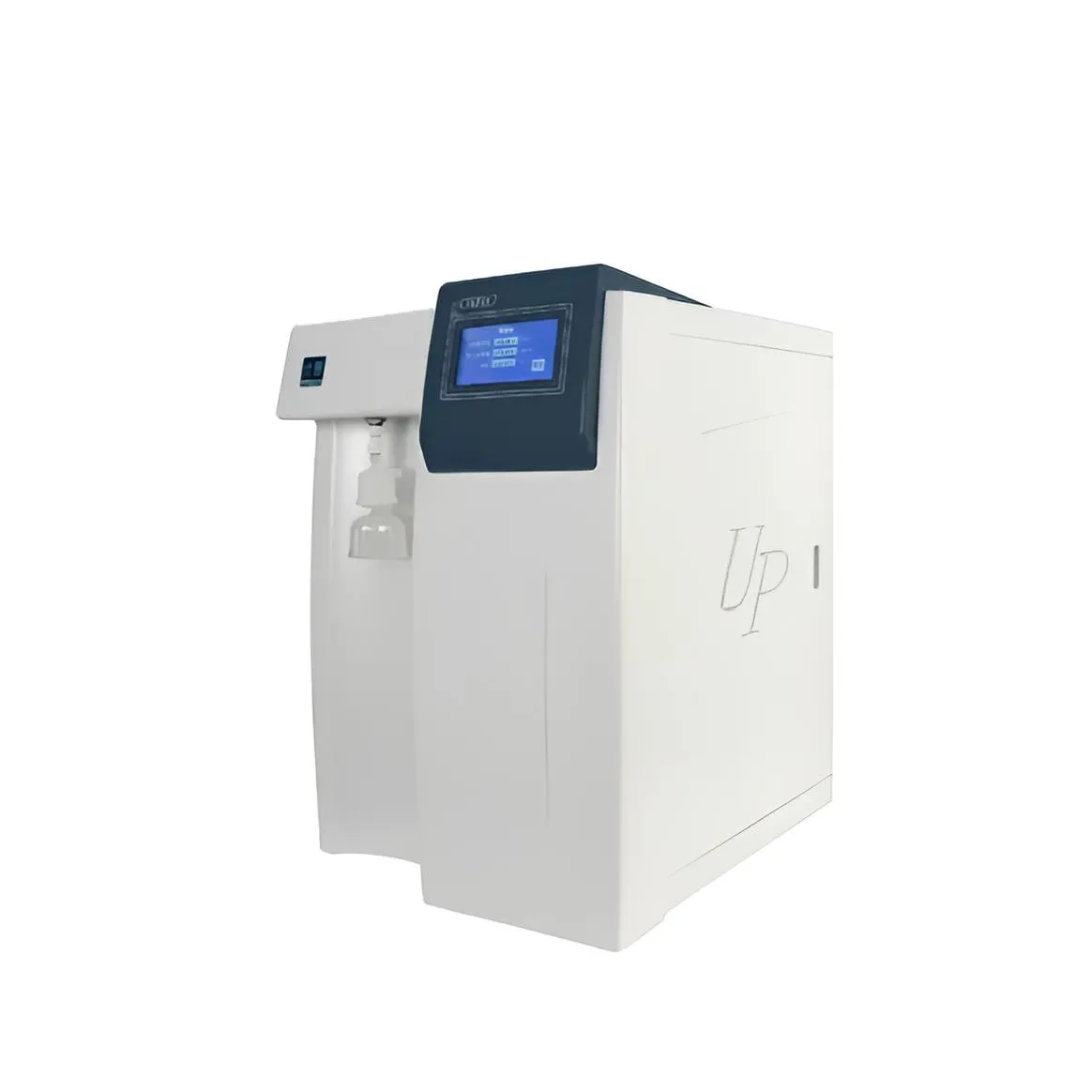
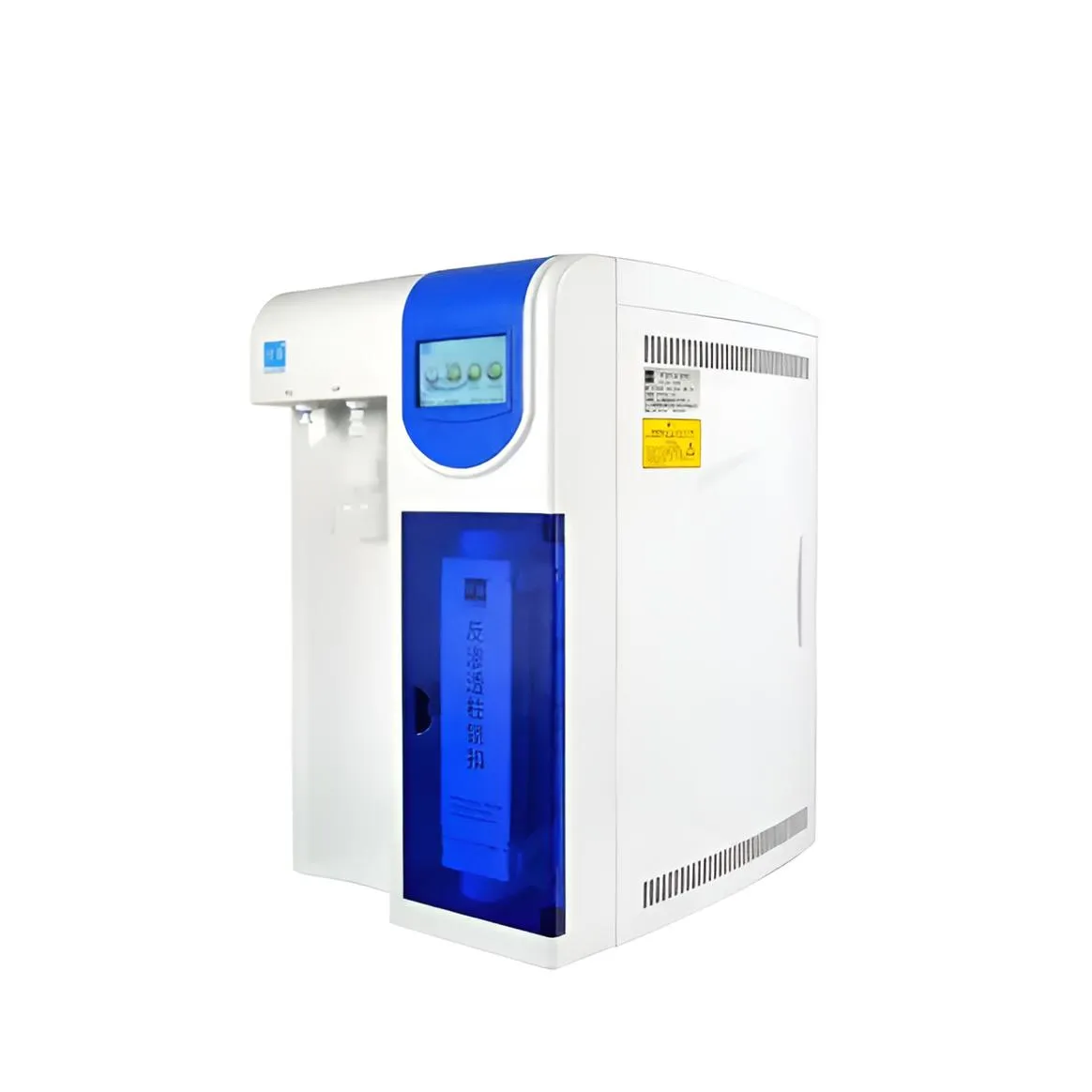
Ultrapure water: Achieved to Grade I water standards through multiple purification processes (such as ion exchange, ultrafiltration, and UV filtration), virtually free of impurities, a necessity for precision experiments.
I. Choosing the right water for your lab can save you 80% of the trouble.
1. HPLC/LC-MS (Liquid Chromatography)
Pain points: Ion residue causing baseline noise, organic contamination causing ghost peaks.
Recommendation: Ultrapure water (resistivity ≥18.25 MΩ・cm, TOC <5 ppb).
2. Cell culture/primary cell experiments
Pain points: Endotoxins activating apoptosis, microbial contamination leading to experimental failure.
Recommended: Ultrapure water + sterile filtration (endotoxin < 0.03 EU/mL, microorganisms < 1 CFU/mL).
3. PCR / Genetic Detection
Pain Points: Nuclease degradation of DNA, metal ions inhibiting enzyme activity.
Recommended: Ultrapure water + DNase/RNase-free (resistivity ≥ 18.25 MΩ・cm, nuclease < 0.01 ng/mL).
4. Routine Chemical Analysis (e.g., titration, colorimetric reactions)
Requirements: Low ion interference, no extreme purity required.
Recommended: Pure water (Grade II water, resistivity ≥ 1 MΩ・cm).
5. Cleaning Glassware
Principle: Remove residual reagents, avoid cross-contamination.
Recommended: Grade III water (e.g., RO water) + final ultrapure water rinse.
II. Three Tips to Avoid Pitfalls and Prevent Mistakes
Beware of "Pseudo-Ultrapure Water":Some commercially available "ultrapure water" is actually only grade II water. Check the test report before purchasing (pay special attention to TOC and endotoxin levels).
Use Water According to Scenario: Establish a "water grade system"—ultrapure water for core experiments, pure water for auxiliary preparations, and grade III water for cleaning.





