


Phone:
0086 28 87573647
+86 19150187139

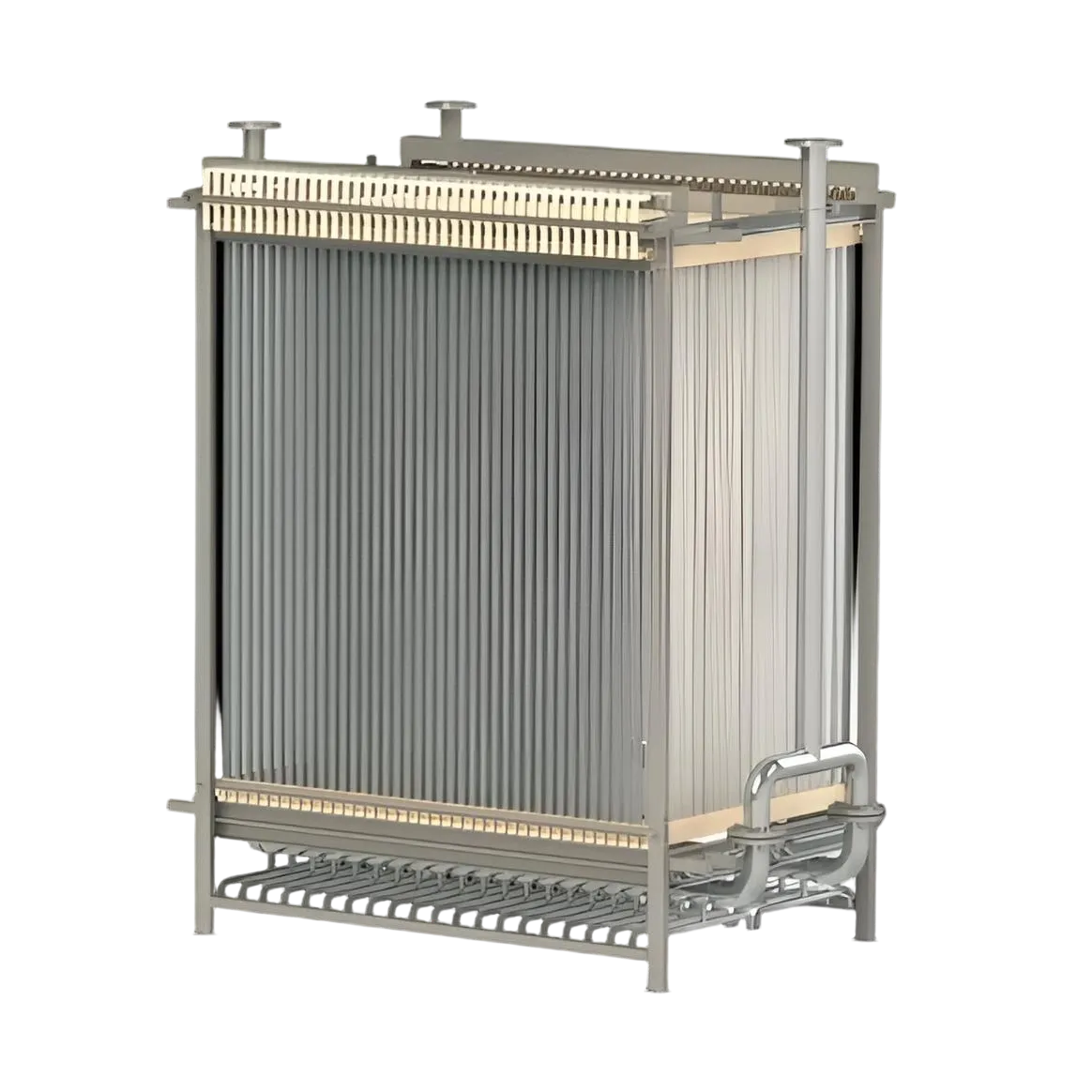
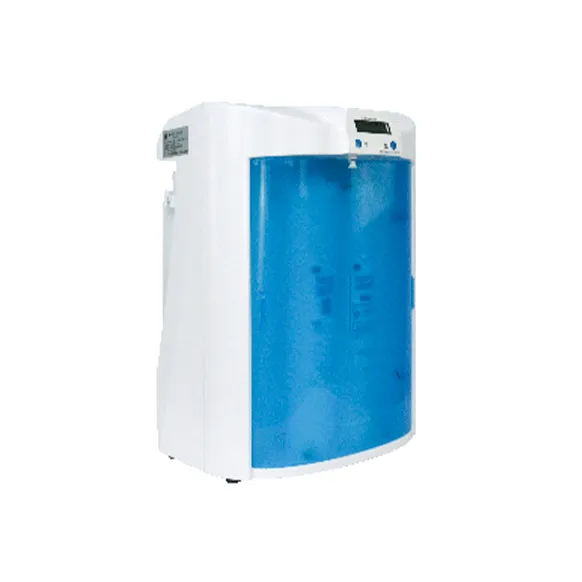
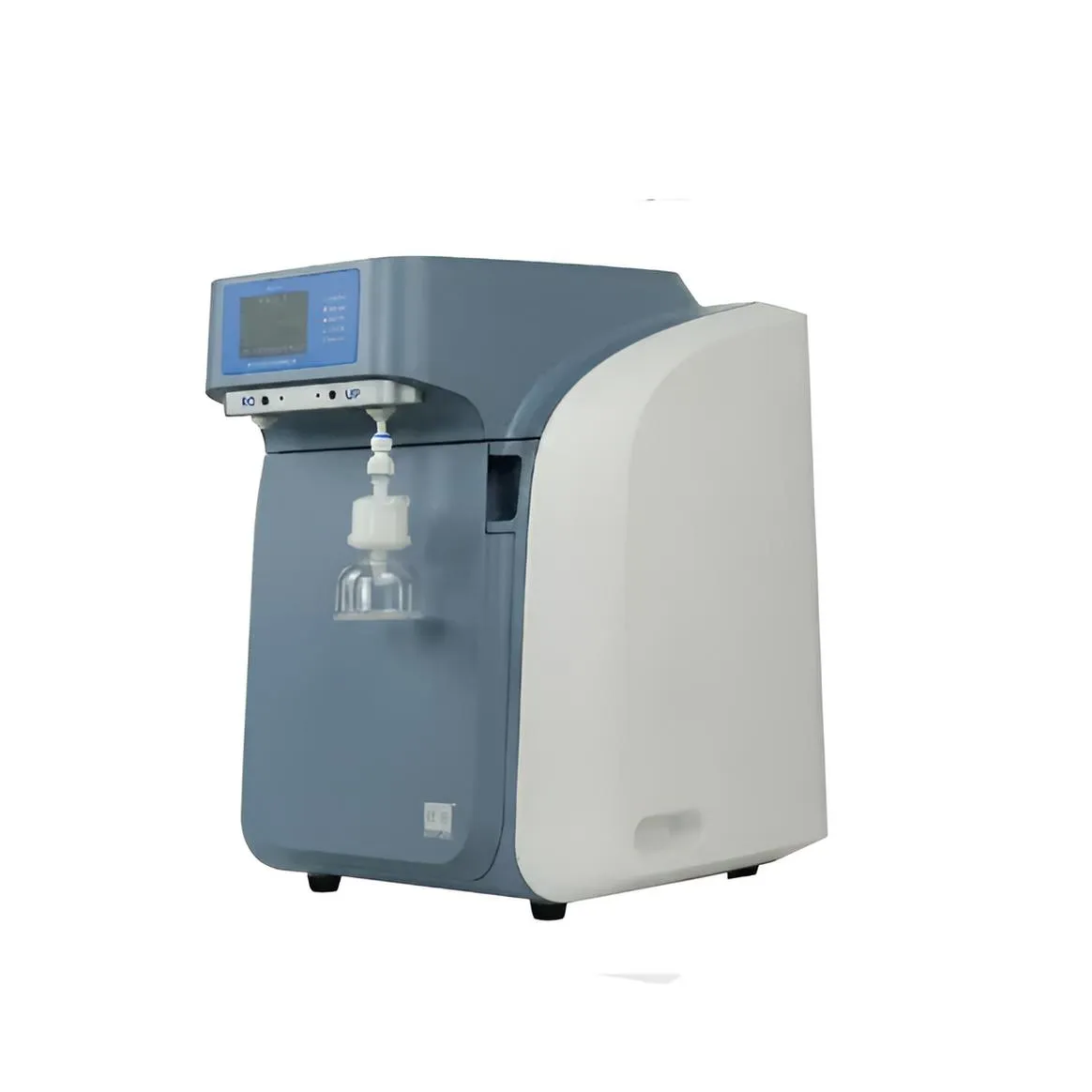
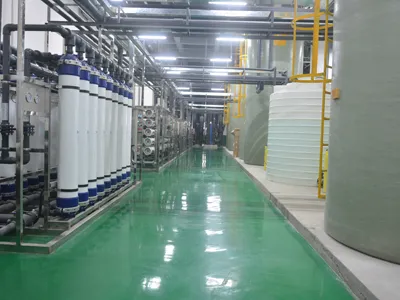
When discussing the differences between laboratory water purifiers and household water purifiers, people often confuse the two types of water purification equipment. Below, we'll explain how to distinguish them by their introduction, applications, features, functions, and principles:
About Laboratory Water Purifiers and Household Water Purifiers:
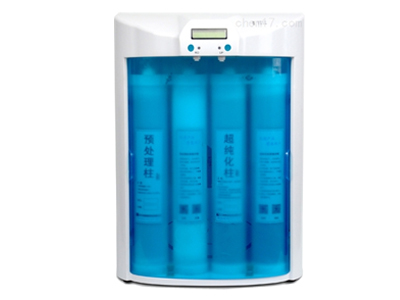
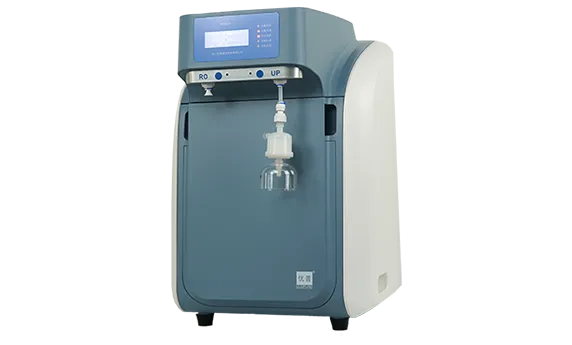
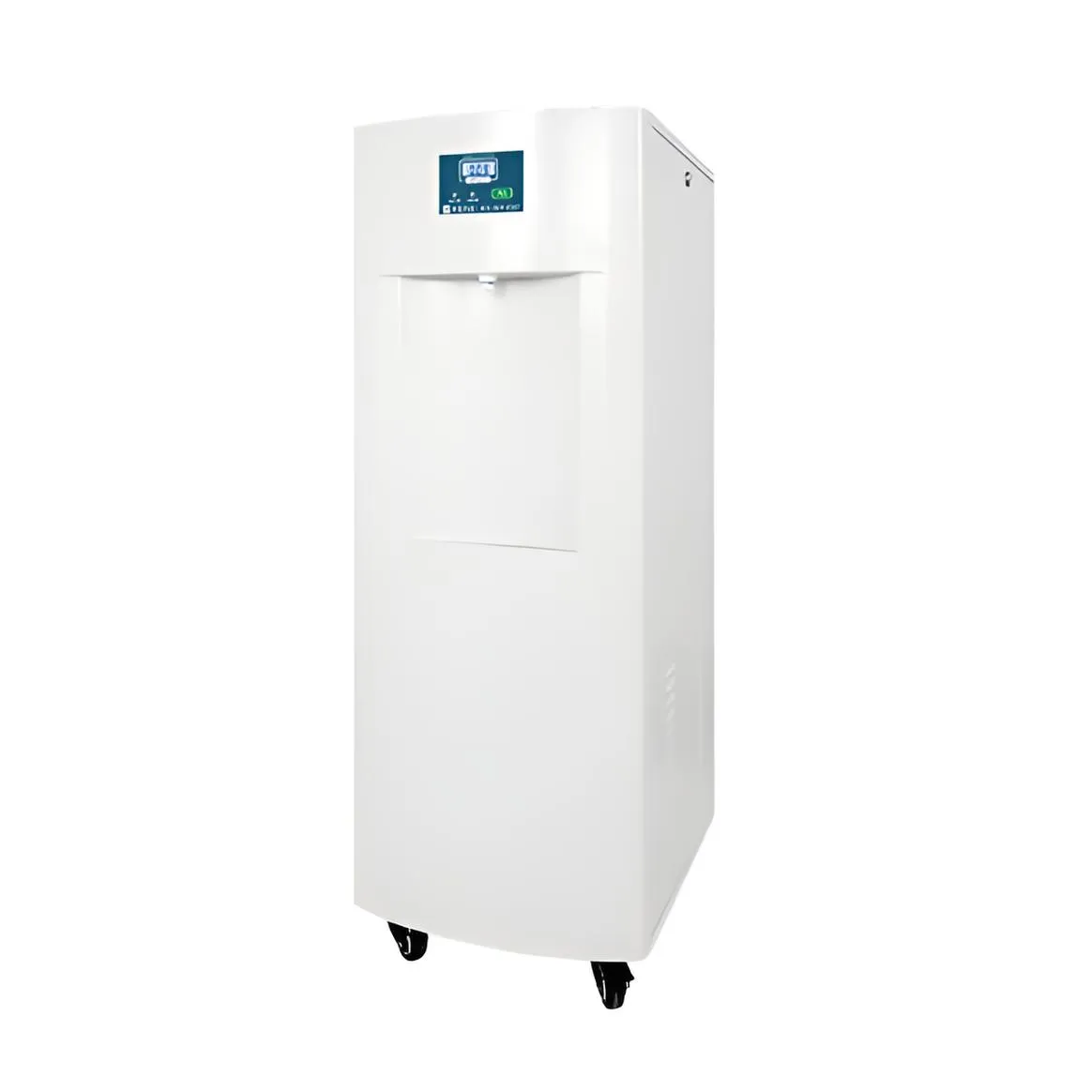
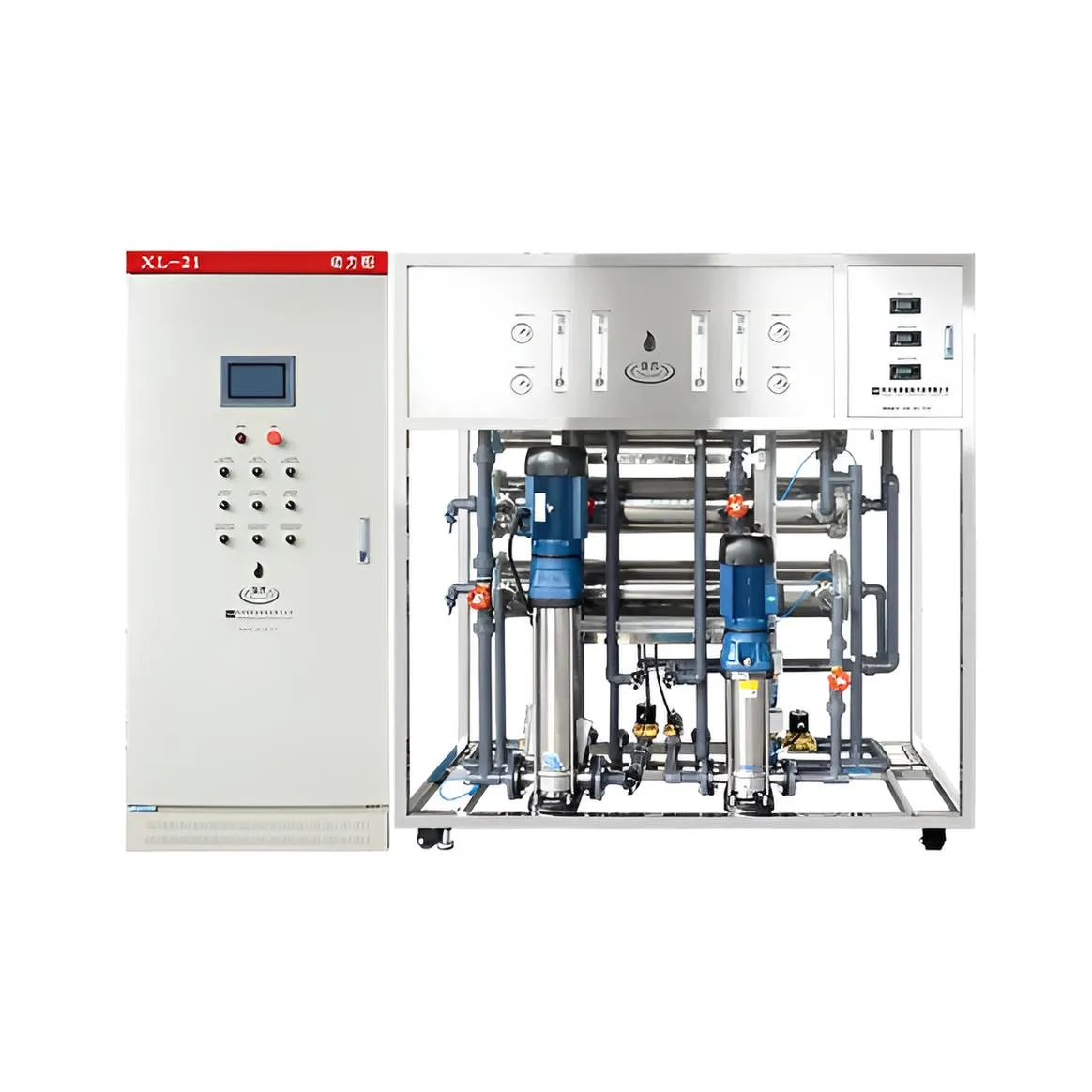
About Laboratory Water Purifiers: Laboratory water purifiers are water purification devices that use multi-stage filter cartridges to purify water. They primarily use physical methods such as filtration, adsorption, and reverse osmosis without adding chemicals. Based on the purification precision, laboratory water purifiers can be divided into two categories: drinking water type laboratory water purifiers (also called household laboratory water purifiers) and laboratory water purifiers that meet laboratory-grade pure water quality requirements.
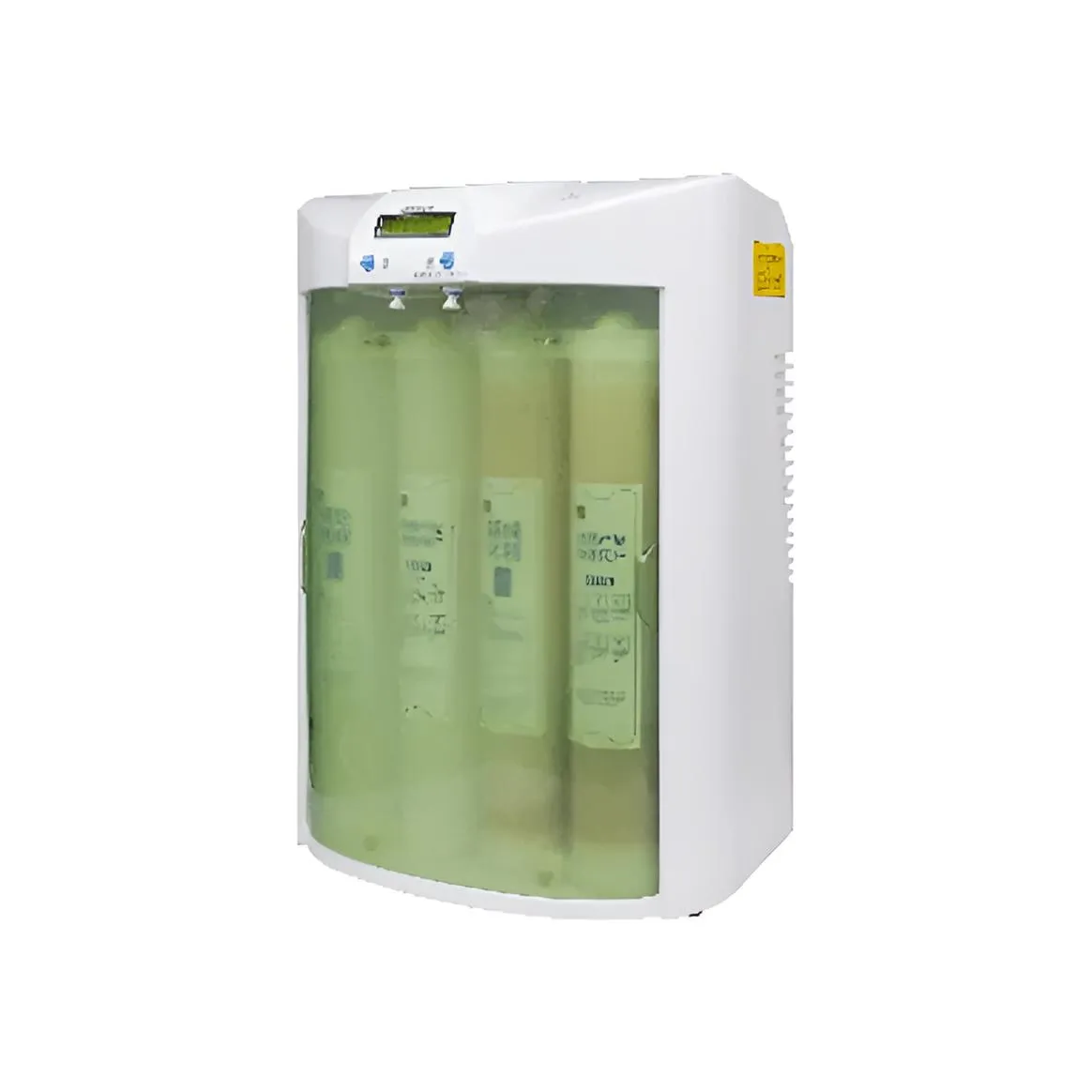
About Household Water Purifiers and Water Filters: The core technology of household water purifiers lies in the filter membrane within the filter cartridge. The main technologies used in household water purifiers are ultrafiltration membranes and RO reverse osmosis membranes. They are small-scale water treatment devices that deeply purify water according to usage requirements. The term "water purifier" generally refers to a small filter used in homes.
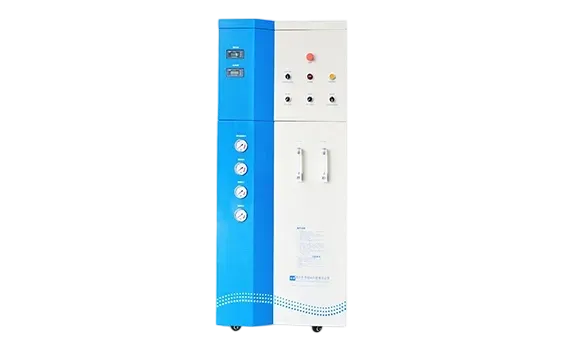
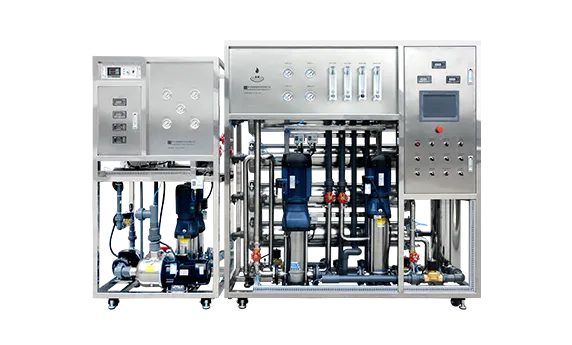
Application Differences: Laboratory water purifiers are mainly used in laboratories, electronics, industry, pharmaceuticals, food, and other industrial settings for preparing pure and ultrapure water.
Household water purifiers are mainly used for purifying drinking water for families.
Feature Differences: Household water purifiers: These typically use activated carbon, melt-blown filter cartridges, microporous ceramics, hollow fiber filters, KDF, etc., to purify water. Regular filter cartridge replacement and maintenance are required. They cannot remove calcium and magnesium ions from the water, meaning they cannot solve the problem of limescale.
Laboratory water purifiers: These combine the advantages of household water purifiers (removing bacteria, viruses, colloids, rust, impurities, and other harmful organic pollutants) with the advantages of water softeners (removing limescale).
Function Differences: Laboratory water purifiers can filter out all substances from tap water, including various minerals. Water treated by a laboratory water purifier is pure water. It not only removes impurities, rust, sediment, colloids, bacteria, and viruses, but also harmful radioactive particles, organic matter, fluorescent substances, and pesticides. In short, it makes the water extremely clean, except for water molecules. It even removes suspended solids, heavy metals, bacteria, and viruses, demonstrating advanced filtration technology.
Household water purifiers filter out harmful impurities while retaining essential trace elements and minerals.
Differences in Principle: Laboratory-grade pure water machines: They have a booster pump, require electricity, and have a storage tank. They typically use a five-stage filtration system: the first stage is a filter cartridge; the second and third stages are activated carbon; the fourth stage is an RO reverse osmosis membrane (the core component), used in aerospace technology; and the fifth stage is refined activated carbon.
Household water purifiers:
First stage: Microfiltration membrane: The microfiltration membrane removes various visible particles/dust and impurities from tap water. These particulate matter originates from aging pipes, rust, secondary pollution from rooftop water tanks, etc.
Second stage: Compressed charcoal: Compressed charcoal removes chlorine and organic impurities, such as harmful pesticides. It also absorbs odors, colors, and tastes produced by organic compounds in the water, which originate from tap water disinfection byproducts.
Third stage: Ultrafiltration membrane: Ultrafiltration membranes remove bacteria, viruses, and spores from the water.