





Phone:
0086 28 87573647
+86 19150187139

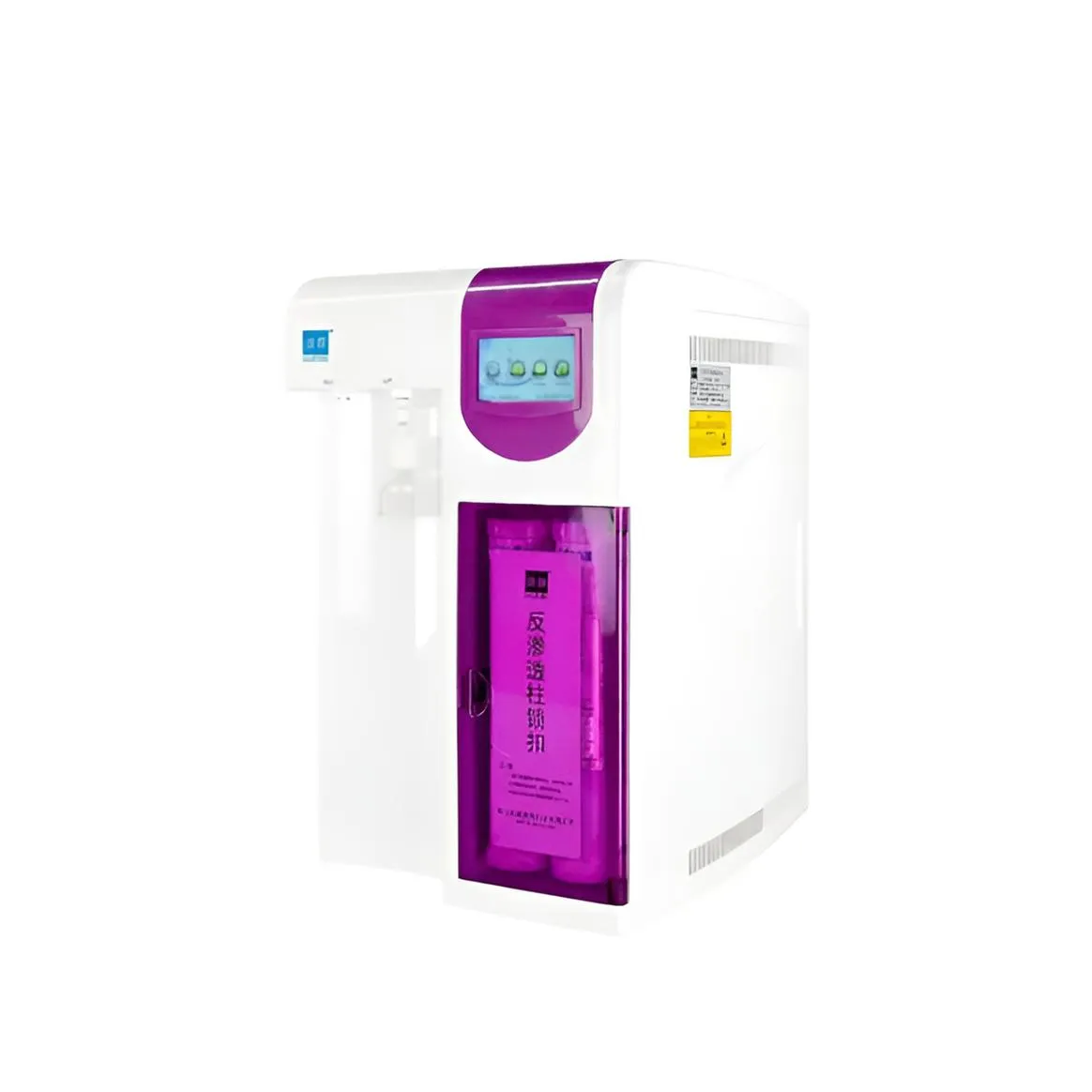
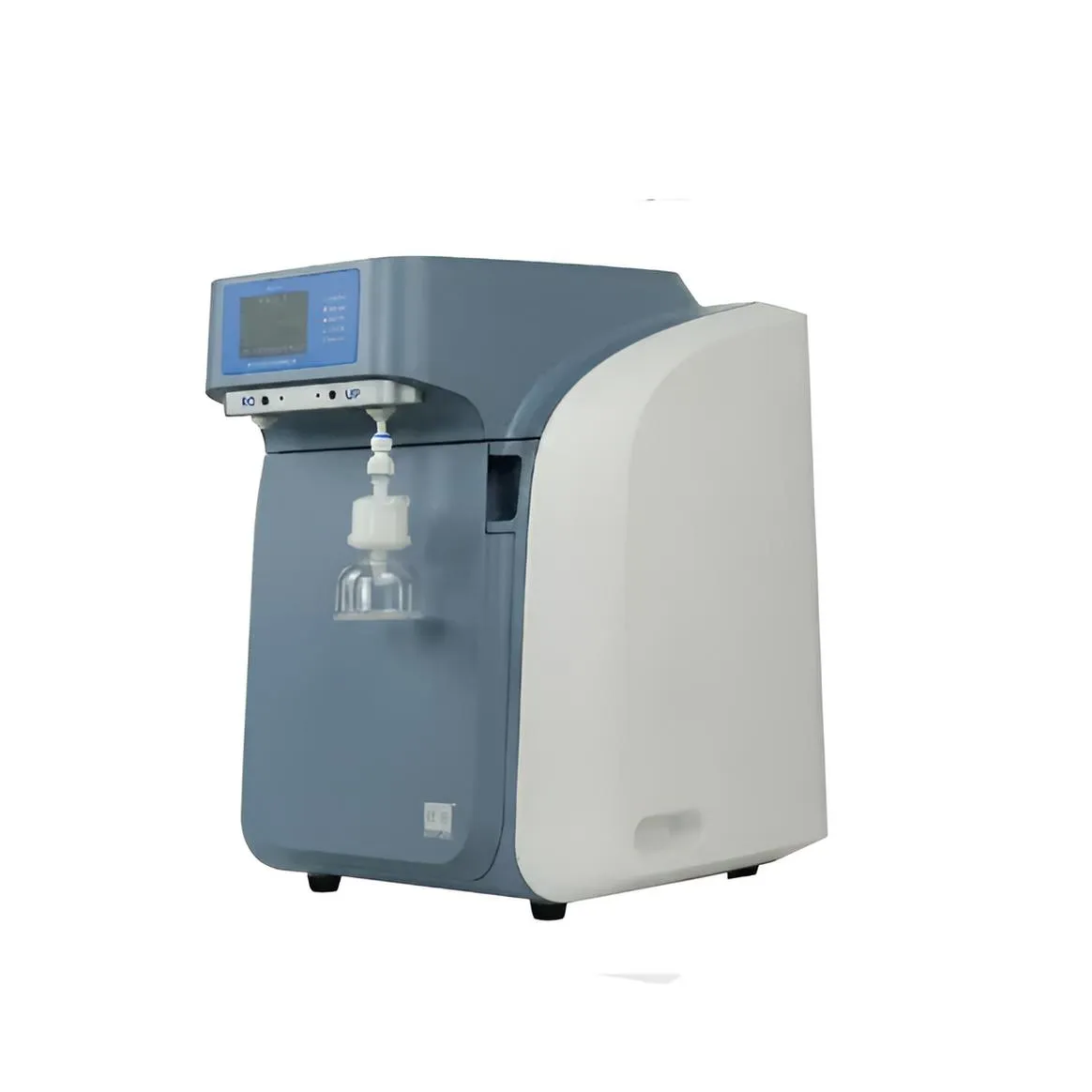
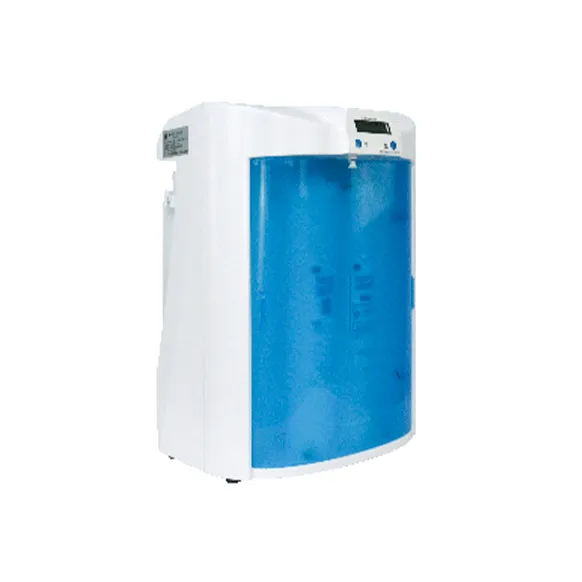
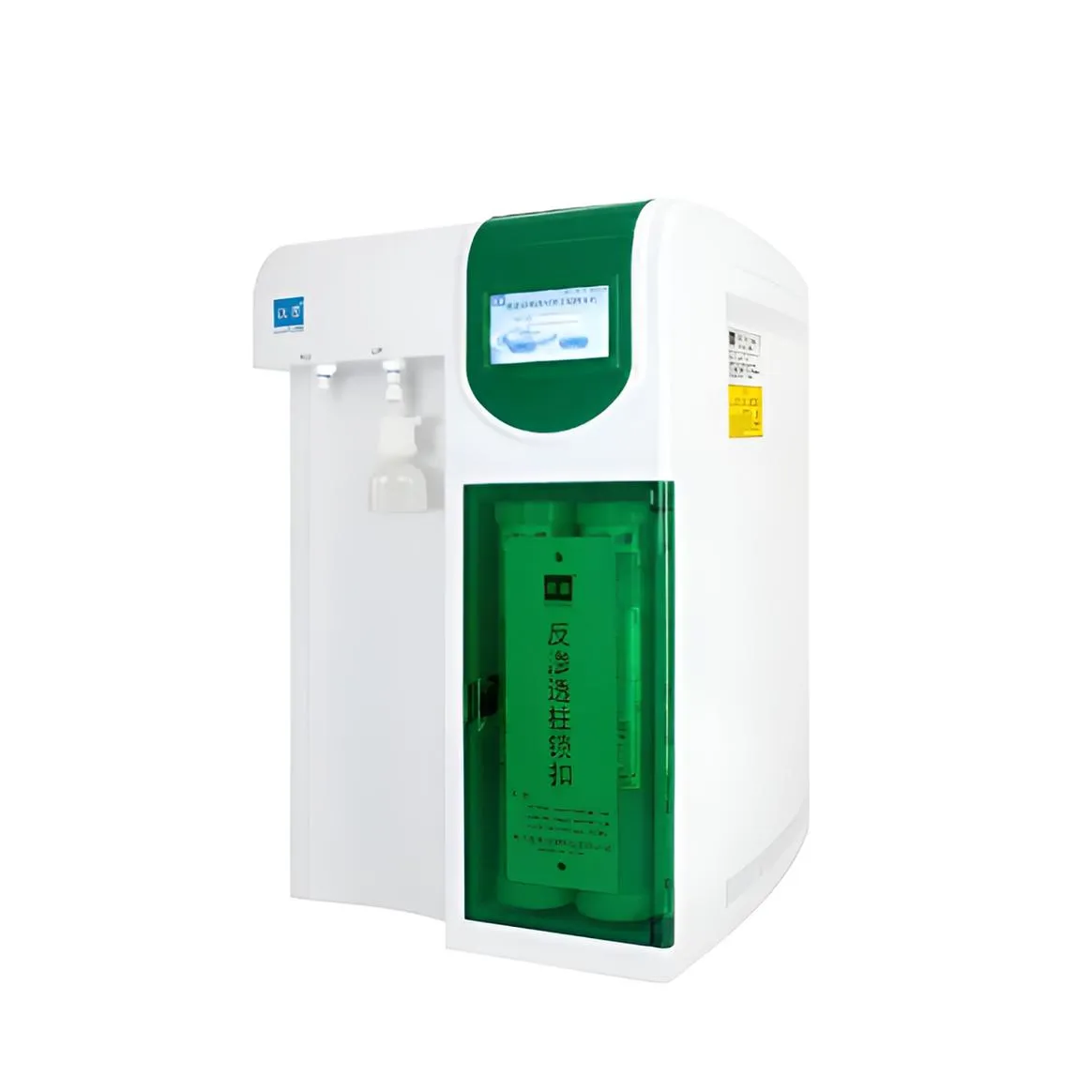
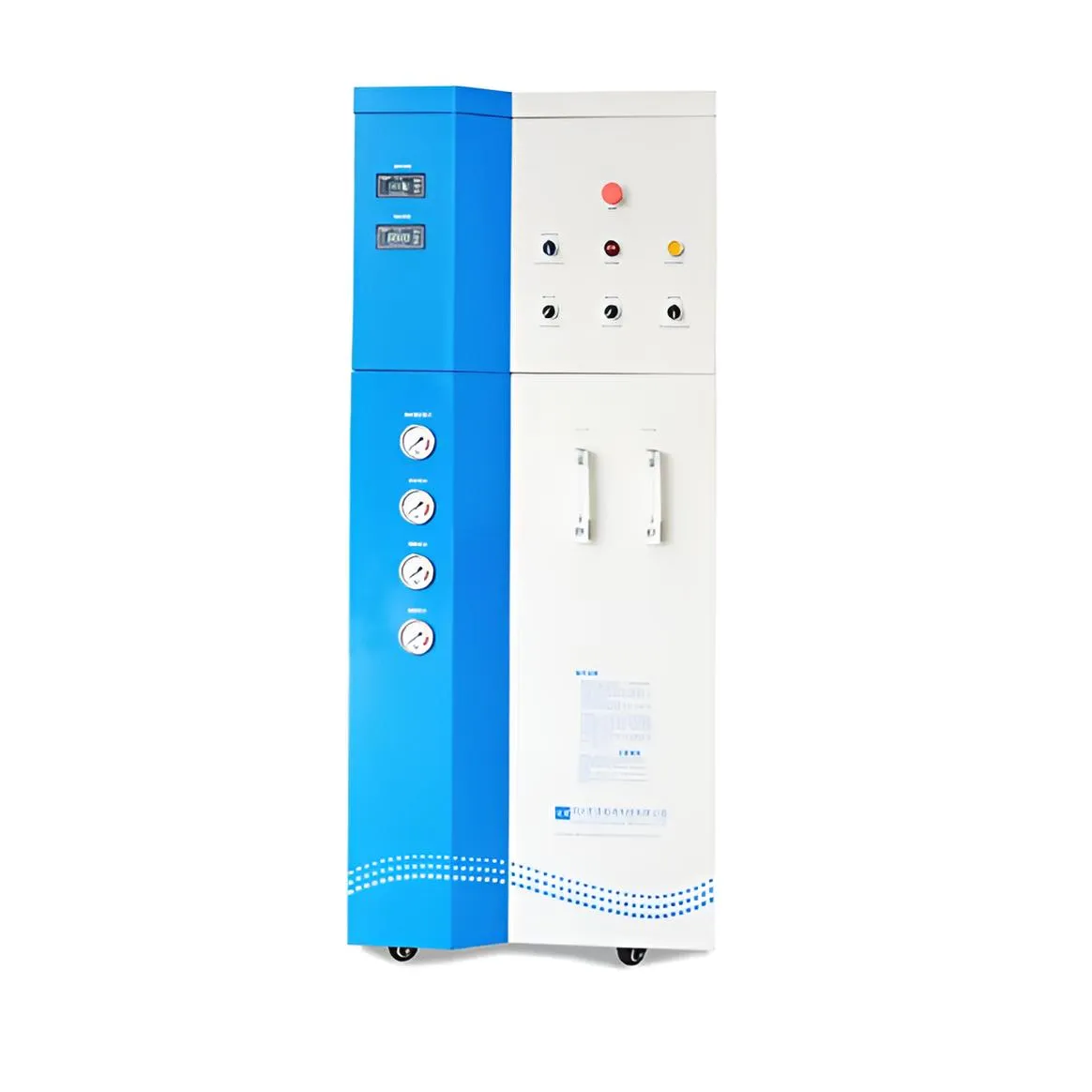
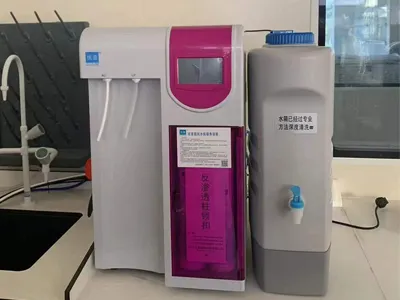
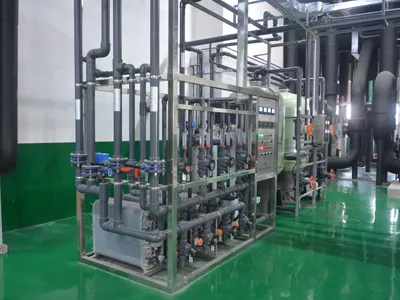
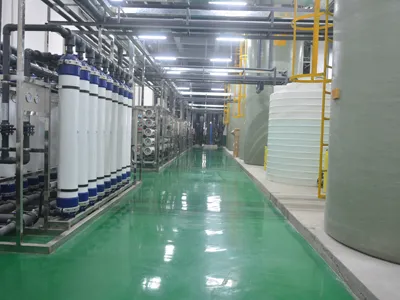
Water is the most commonly used solvent in laboratories, required in large quantities for preparing reagents, standards, and detergents. Water has a broad and fundamental impact on analytical quality, and different qualities of water are needed for different applications. Laboratory water generally cannot be tap water directly; it must be purified water treated by an ultrapure water system according to experimental requirements. Depending on the purity, pure water is classified into different grades, and the preparation methods for each grade differ. Distilled water or deionized water must pass testing before use.
Laboratory pure water should be a colorless and transparent liquid, free from any visible color or fibrous impurities. It is generally prepared using an ultrapure water system.
According to the "Specifications and Test Methods for Water Used in Analytical Laboratories" (GB6682-2008), analytical laboratory pure water is classified into three grades: Grade I, Grade II, and Grade III.
Grade I water is used for preparing standard water samples or for the analysis of trace substances. Grade I water does not contain dissolved impurities or colloidal organic matter and can be obtained by further treatment of Grade II water. For example, secondary water can be produced by distillation using quartz equipment or ion exchange mixed-bed treatment, followed by filtration through a 0.2-micron microporous membrane.
Secondary water is used for precise analysis and research. It often contains trace amounts of inorganic, organic, or colloidal impurities and can be produced through multiple distillations or ion exchange.
The raw material for laboratory pure water should be drinking water or relatively clean water. If contaminated or if the blank does not meet requirements, purification treatment is necessary.
Pure water is an essential condition for analysis. Therefore, before conducting analytical monitoring, pure water that meets analytical requirements must first be prepared. Pure water preparation involves water treatment methods that remove all soluble and insoluble impurities from the raw water.
There are many methods for preparing pure water, commonly including distillation, ion exchange, sub-boiling distillation, and electrodialysis.





