





Phone:
0086 28 87573647
+86 19150187139

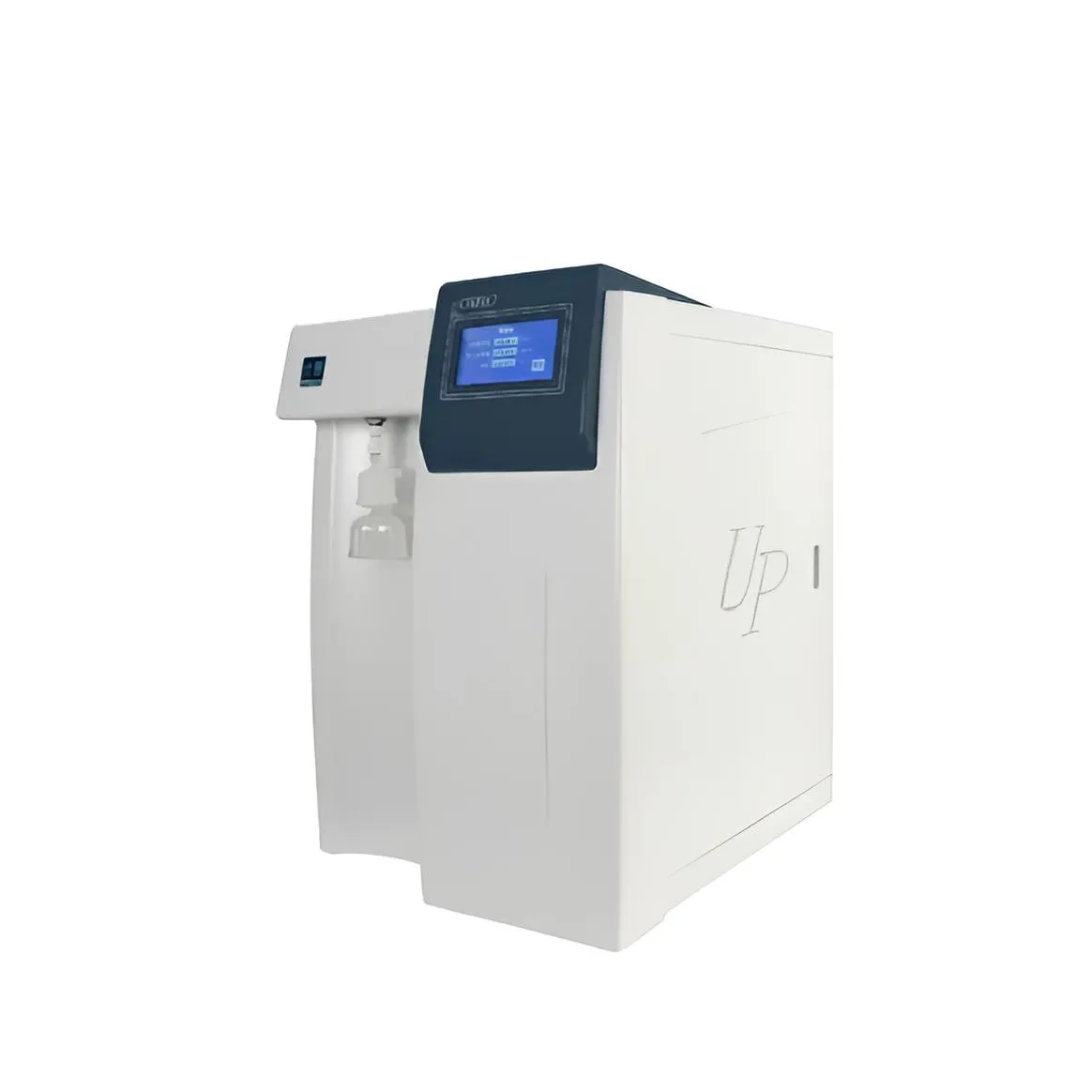
We know that the water production capacity of a UPU water purifier generally refers to the rated water production capacity of the RO membrane at a water temperature of 25℃. For every 1℃ decrease in water temperature, the RO membrane's water production decreases by approximately 3%. When the water temperature is below 5℃, the RO membrane will stop producing water. Therefore, low temperatures will affect laboratory water purifiers. Just as excessively cold or hot temperatures can cause discomfort in humans, the same applies to ultrapure water purifiers. Not only low temperatures but also excessive heat in summer can have an impact. Today, we'll discuss the precautions for using laboratory water purifiers in different seasons.
I. Precautions for Using Laboratory Water Purifiers in Summer
1. All laboratory water purifier accessories should be protected from direct sunlight.
In recent years, summer temperatures have been rising, reaching 40℃ in some areas. Prolonged exposure to high temperatures or direct sunlight can cause accessories to malfunction. Therefore, care should be taken to avoid direct sunlight during installation.
2. Cool the laboratory water purifier first in high-temperature conditions.
While high temperatures have a certain bactericidal effect on water pollution, they can also have the opposite effect, causing changes in some elements in the water. 3. Do not use the laboratory water purifier directly when the temperature is too high. First, rinse the machine with cool water to lower the temperature before use. This provides some protection for the safety of the output water.
4. Immediately turn off the inlet ball valve and power after use.
The laboratory water purifier will start running after the inlet ball valve and power are connected. Although it will not refill once the tank is full, the internal power and water flow continue normally. Prolonged use of this system can significantly impact the machine's lifespan. When not in use, it is recommended to turn off the inlet ball valve and power. This will greatly benefit future use.
5. If the machine is not used for an extended period, turn it on once every 2-3 days and drain the water for 3-5 minutes if possible.
Due to high summer temperatures and heavy rainfall in some areas, the air is humid, making it easy for bacteria to grow. The internal piping of the water purifier may be affected in summer. Therefore, if not used for an extended period, turn it on once every 2-3 days and drain the water for 3-5 minutes if possible. This allows for regular flushing of the water purifier, preventing bacterial growth and improving the quality of the produced water. 5. Regular Replacement of Pre-Filter Material in the Machine
The pre-filter material in a pure water machine effectively removes various particulate impurities from the filtered liquid. After a period of use, the water throughput of this filter element decreases, and it is also prone to bacterial growth. Therefore, regularly replacing the pre-filter material not only improves the quality of the produced water but also extends the lifespan of the water machine.
II. Precautions for Using a Laboratory Pure Water Machine in Winter
1. It is recommended to install the equipment indoors in winter. Because water expands during freezing, any water remaining in the machine's pipes and filter elements that freezes can directly cause the ultrapure water machine's pipes, filter bottles, membrane housings, etc., to burst, resulting in leaks. When the water supply is interrupted, it is recommended to turn off the water and power supply to the ultrapure water machine. After the water supply is restored, turn on the tap water for a while to flush out rust, sediment, and other debris from the tap water pipes before turning on the water and power supply to the ultrapure water machine. This prevents debris from the newly turned-on tap water pipes from clogging the ultrapure water machine's filter elements. 2. In special circumstances where the ultrapure water system has frozen, the entire system must be placed in an indoor environment at a temperature above 10°C to thaw naturally for at least 48 hours. Ensure the ice is completely melted before restarting the system. Do not force-start the system during this period. After starting the system, check for leaks. If leaks are found, contact the manufacturer. If unopened reverse osmosis membranes are found to be frozen, place them, along with their packaging, in cold water for at least 24 hours before use. If unsure, contact customer service immediately.
3. Common winter phenomena include decreased water production. The lower the temperature, the greater the decrease in water production. Because water viscosity is affected by temperature, the reverse osmosis membrane's water production decreases. Typically, for every 1°C drop in water temperature, the reverse osmosis membrane's water production decreases by 3%. Winter water production is approximately 50% of summer production. Increased wastewater is also observed. Due to the reduced water production, the wastewater flow rate will increase accordingly, leading to a higher wastewater ratio. This is normal. As the temperature rises, wastewater will decrease, and the water production flow rate will increase.
4. Lower winter temperatures will cause variations in water production. Therefore, it's crucial to ensure proper insulation of the ultrapure water system in advance. Only by taking preventative measures can we better reduce equipment failure rates and improve operational stability.
These are the precautions for using laboratory pure water systems during seasonal changes. We hope this information is helpful.





