


Phone:
0086 28 87573647
+86 19150187139

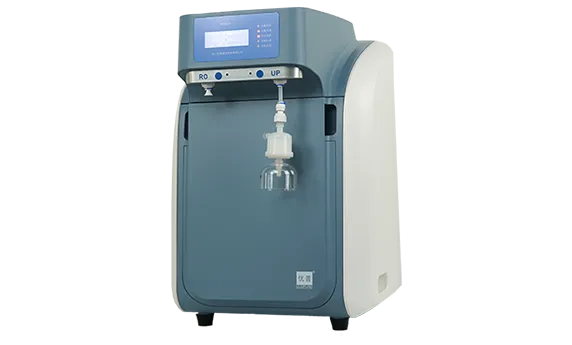
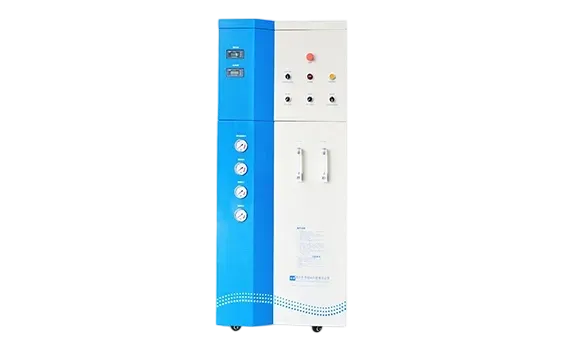
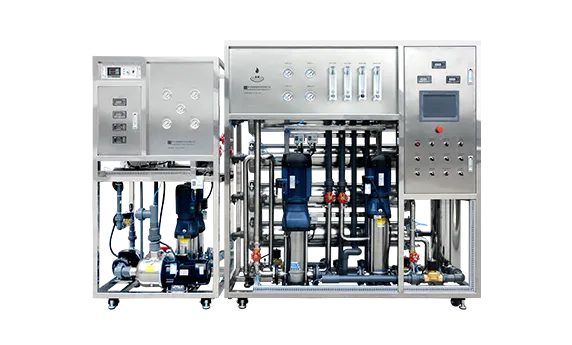
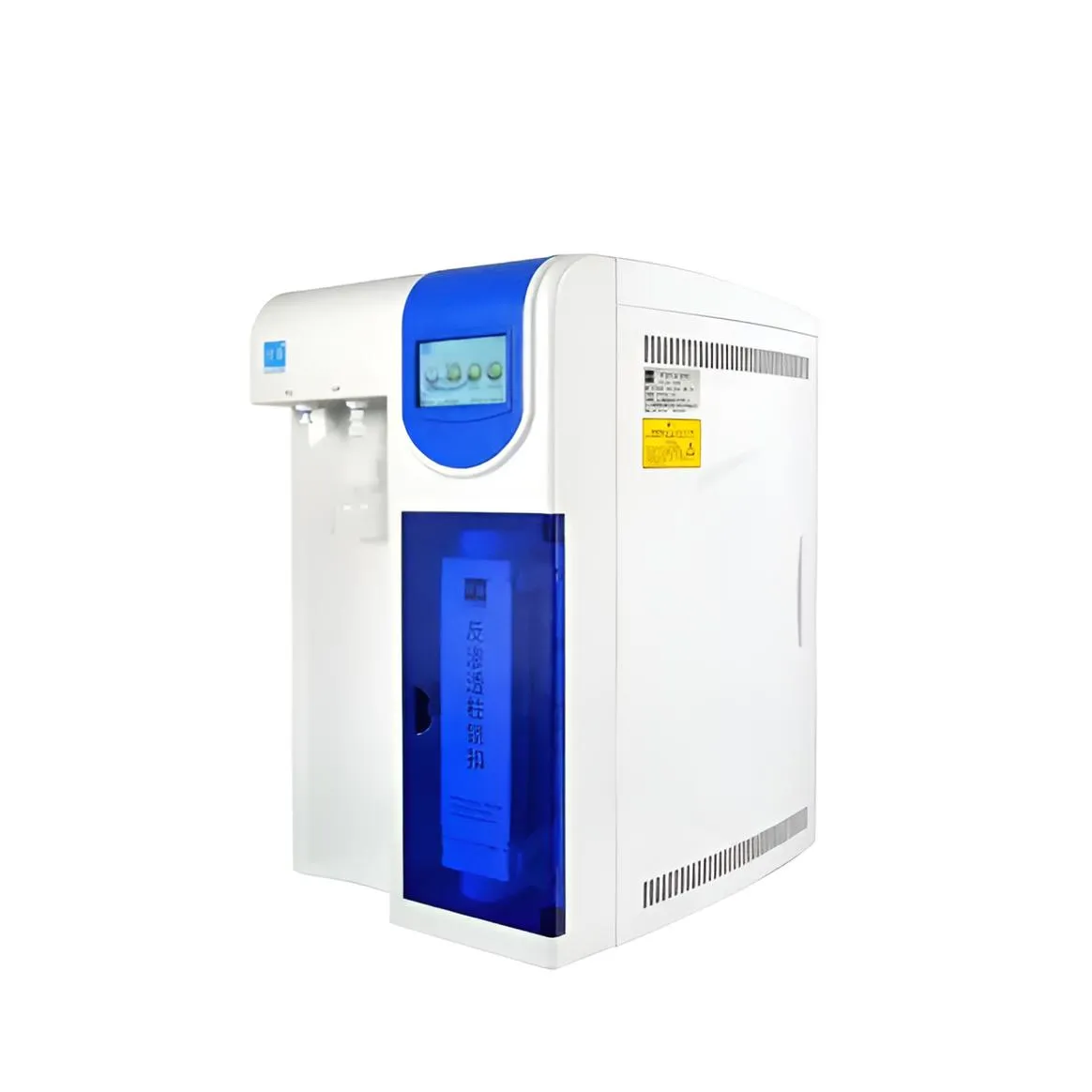
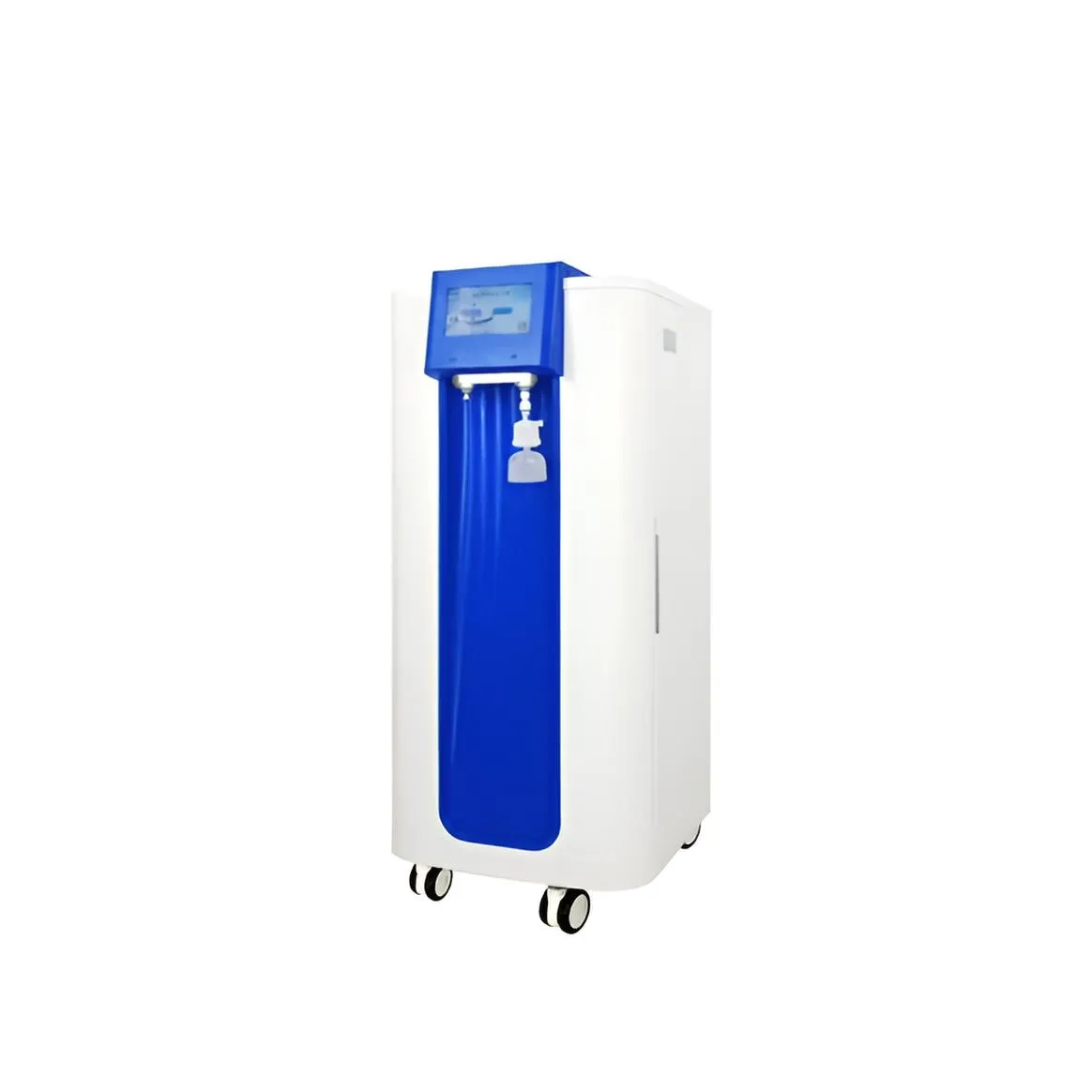
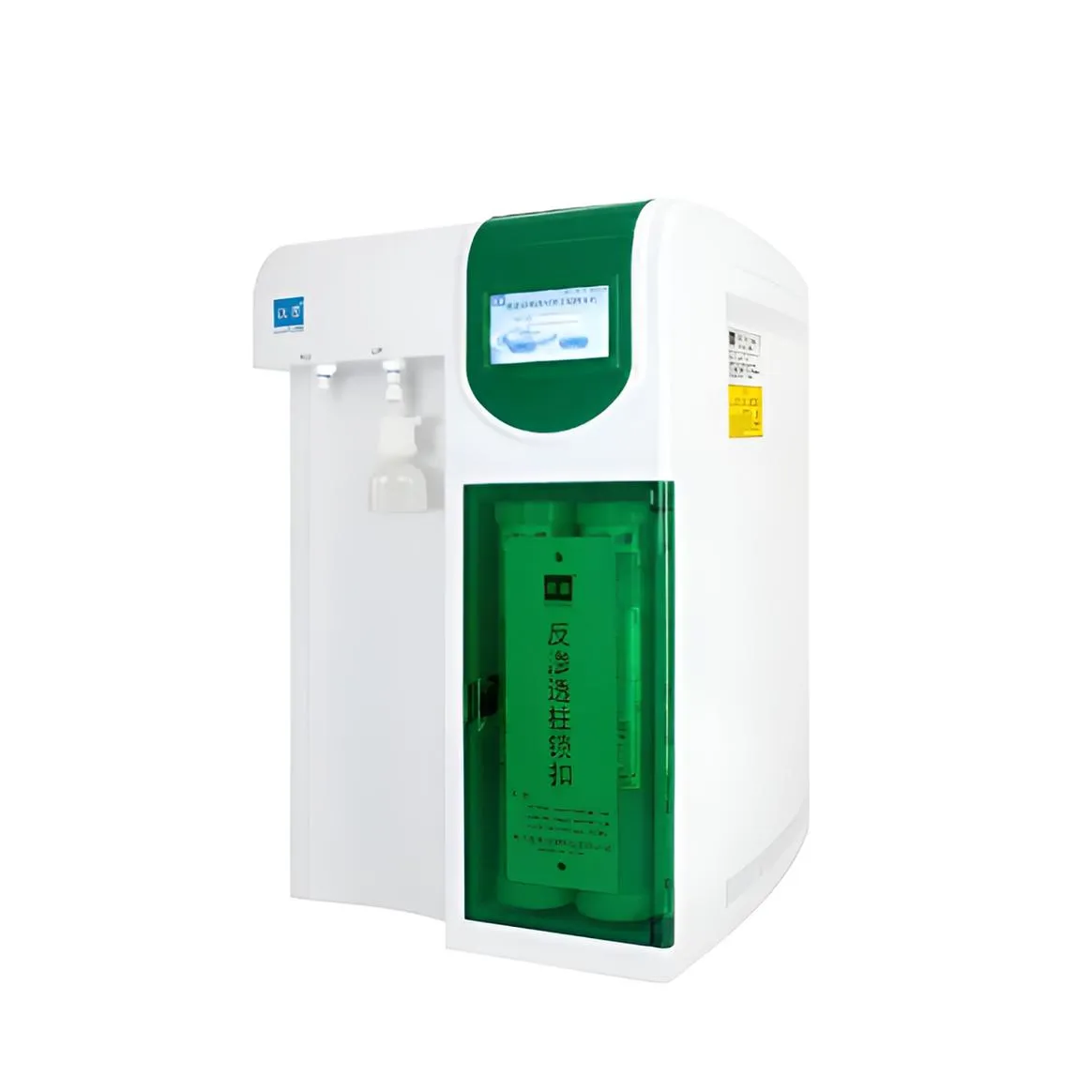
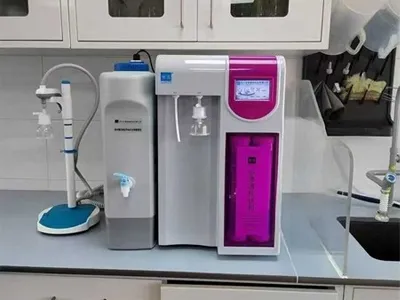
Currently, there are many pure water systems on the market, some used in production experiments and others in households. These systems generally fall into two categories: laboratory pure water systems, which meet laboratory requirements for pure and ultrapure water quality, and household pure water systems, also known as drinking water systems.
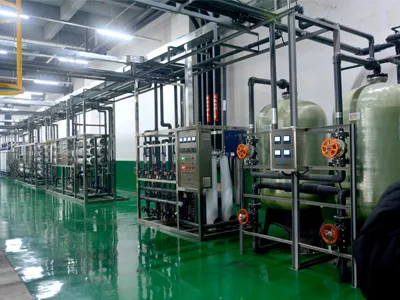
So what are the differences between the two, and what are the differences in their processes? Below is a brief introduction: What is the filtration process of laboratory pure water equipment? Laboratory pure water equipment uses a combination of advanced reverse osmosis and ion exchange technologies, employing booster pumps, solenoid valves, high-capacity ion exchange resins, RO reverse osmosis membranes, filter cartridges, piping connectors, control components, and ultraviolet lamps to purify the water.
Functions of each filter stage in laboratory pure water equipment:
First stage: Pretreatment: Utilizing a precision filter, large particulate matter, residual chlorine, and calcium and magnesium ions are removed from the water to achieve optimal pretreatment results.
Second stage: Reverse osmosis: Reverse osmosis uses a high-pressure pump to apply pressure greater than the osmotic pressure difference to a high-concentration solution. Water molecules are forced through a semi-permeable membrane to the low-concentration side. Reverse osmosis can filter out 90%-99% of most contaminants, including inorganic ions.
Third stage: Ion exchange: Ion exchange removes ions, theoretically removing almost all ionic substances.
Fourth stage: Final treatment: Primarily produced according to customer's specific requirements, including ultrapure water with low organic content, sterile properties, and pyrogen-free properties.
What is the filtration process of a household water dispenser? Household pure water equipment uses five stages of filtration to reach direct drinking standards, thoroughly filtering out bacteria (0.4-1 micron), viruses (0.4-0.02 micron), toxins, heavy metal ions, organic compounds, and other harmful substances. It also increases the oxygen content of the water, making it slightly alkaline, more suitable for human absorption, and sweet and palatable.
Functions of each filter stage in a household pure water system:
Stage 1: PP cotton: Pre-filters raw water, removing coarse particles, sludge, colloids, suspended solids, etc.
Stage 2: Granular activated carbon: Adsorbs odors, discoloration, organic matter, and some heavy metals from the water.
Stage 3: Carbon rod activated carbon: Further removes chlorine, organic compounds, discoloration, odors, and turbidity.
Stage 4: RO reverse osmosis membrane: With a pore size of 0.1 nanometers, it removes bacteria, viruses, heavy metals, and other organic impurities from the water.
Stage 5: Post-activated carbon: Removes odors and improves taste.