


Phone:
0086 28 87573647
+86 19150187139

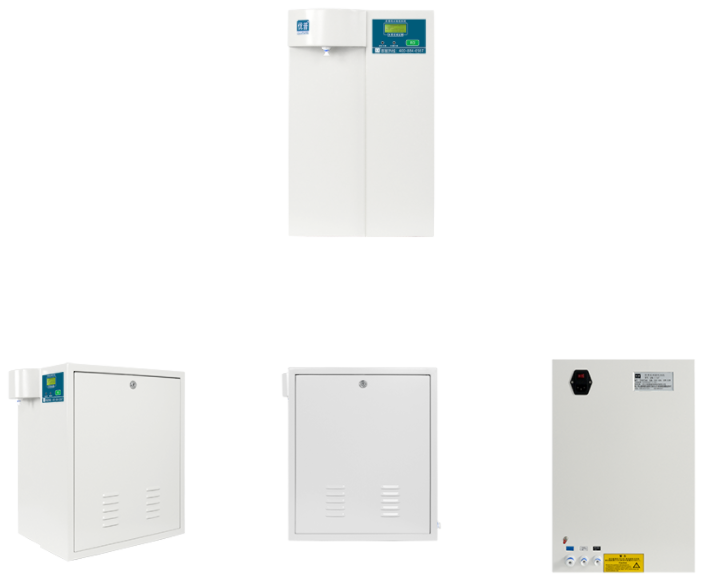
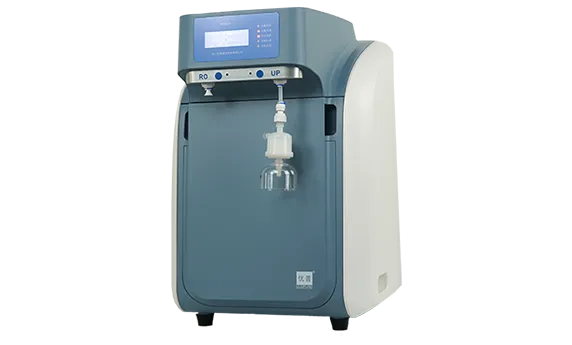
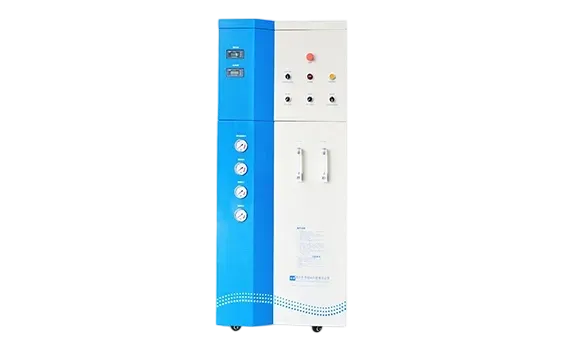
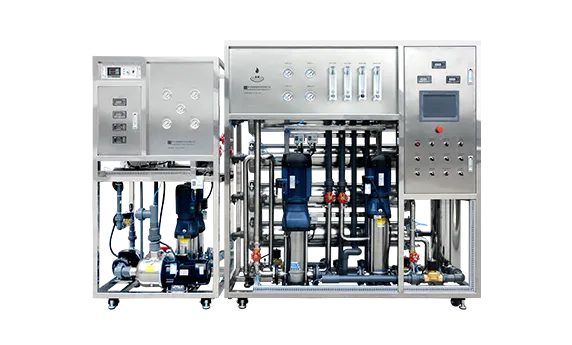
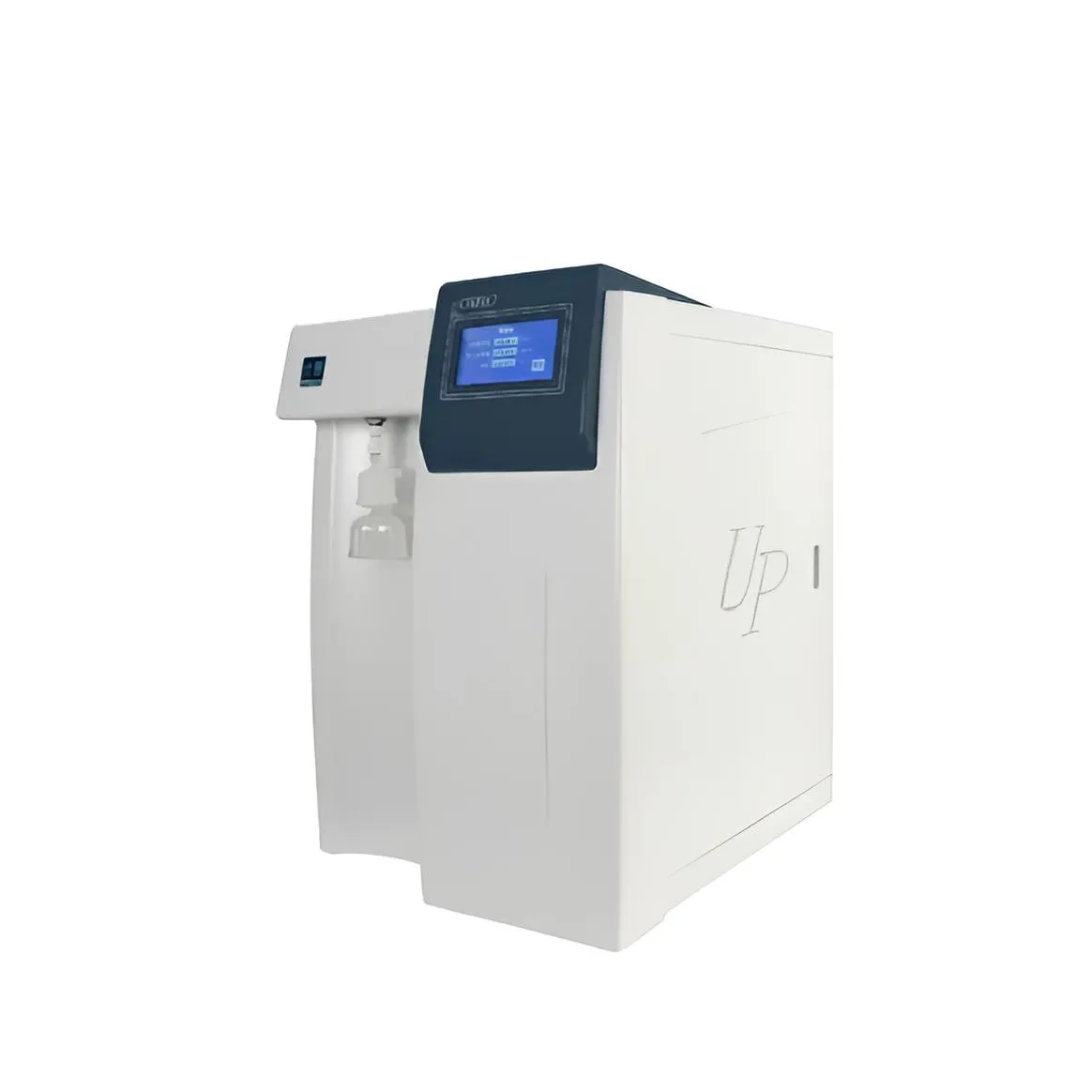
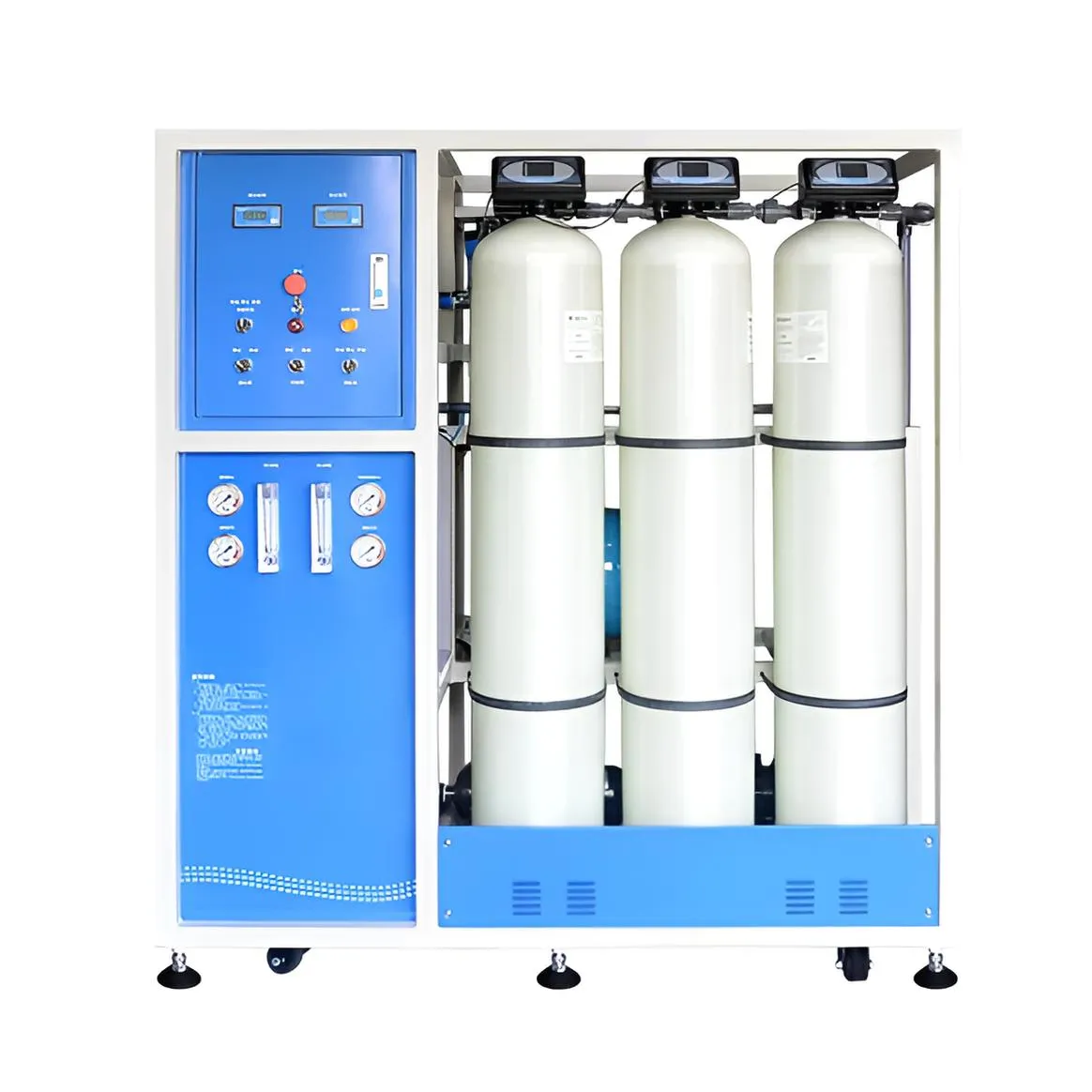
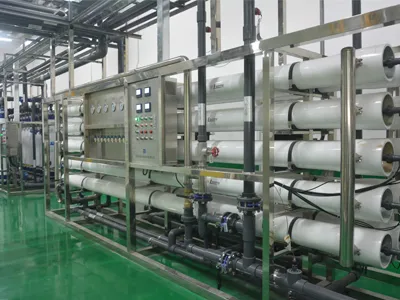
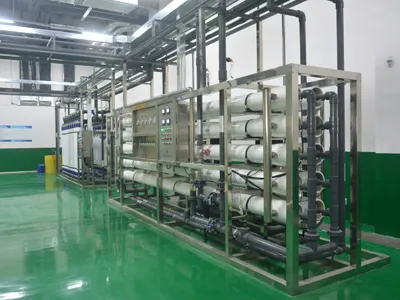
The most significant factor affecting the lifespan of a laboratory ultrapure water system is the machine's quality. Reputable manufacturers maintain strict quality control over their machines. Other factors, such as the environment in which the ultrapure water system is installed, whether the operation is standardized, and whether regular maintenance is performed, all have varying impacts on the machine's lifespan. Below, we'll detail the factors affecting the lifespan of a laboratory ultrapure water system.
1. Quality
The machine's lifespan is largely determined by its quality. Larger, more established manufacturers have stricter quality control. Comparing products based on a manufacturer's personnel, scale, facilities, and capital can help determine the approximate quality of the machine.
2. Environment
The ultrapure water system should be placed away from high-temperature areas and direct sunlight. When the temperature exceeds 45℃, the RO membrane will not function properly, leading to a shortened lifespan, frequent consumable replacements, and even failure to produce water correctly over time. 3. Standardized Operation
Using an ultrapure water system is very simple and convenient, but there are certain operational requirements. For example, the machine should ideally not operate for more than 8 hours per day, and the inlet should be closed after a water outage, and the first stage of wastewater should be discharged after the water supply is restored.