Phone:
0086 28 87573647
+86 19150187139

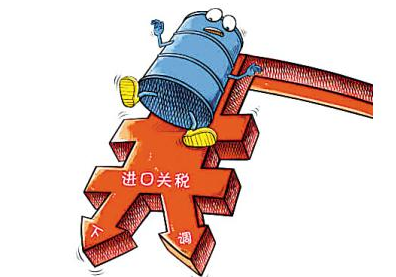
Recently, after review and approval by the State Council Tariff Commission and the State Council, China will implement partial adjustments to import and export tariffs starting January 1, 2017.
This is not the first time China has adjusted tariffs. On September 15, 2016, China implemented its first reduction in Most Favored Nation (MFN) tariffs on some information technology products. This reduction will continue in the first half of 2017, with a second reduction taking effect on July 1, 2017, covering more than 280 commodities. The tariff-reduced goods mainly include information and communication products, semiconductors and their manufacturing equipment, audio-visual products, medical devices, and instruments. In 2017, the APEC environmental product tariff reduction commitments will continue to be implemented through provisional import tariff rates, and zero-tariff treatment will continue to be granted to relevant least developed countries.
On the one hand, it can be seen that instruments and medical devices have appeared in the list of goods eligible for tariff reductions. Domestic instrument manufacturers should be keenly aware of this opportunity and seize it to carve out their share of this large "cake" of import and export products.
On the other hand, as a developing country, China needs to import more advanced technologies, equipment, and scarce resources. Tax reductions can lower import costs and encourage import growth. The influx of capital-intensive foreign investment projects into China allows domestic companies to acquire advanced equipment, high-quality raw materials, and components from abroad, thereby improving product quality and enhancing their competitiveness in domestic and international markets. Domestic instrument and meter manufacturers should seize this opportunity to improve product quality in multiple aspects, including raw materials and technology, to gain the strength to compete with well-known foreign manufacturers.
(Source: OFweek Instrument & Meter Network)