









Phone:
0086 28 87573647
+86 19150187139

Generally speaking, excessive profits in the business sector primarily stem from technological advantages or a monopolistic business environment. The persistently high prices of meals on high-speed trains are clearly a result of this monopolistic environment. As a relatively closed system, high-speed rail has limited market openness and lacks a fair competitive environment, preventing competition from bringing prices back to a reasonable level, thus leading to "market failure." This monopolistic environment provides railway companies with opportunities to abuse their market dominance and reap excessive profits. The long-standing dominance of imported instruments in the domestic market for domestically produced instruments is a combination of both. In recent years, with the rapid development of science and technology in my country, the technological gap between domestic and foreign instruments has been narrowing, and environmental monopolies have gradually become the main factor restricting the rise of domestically produced instruments.
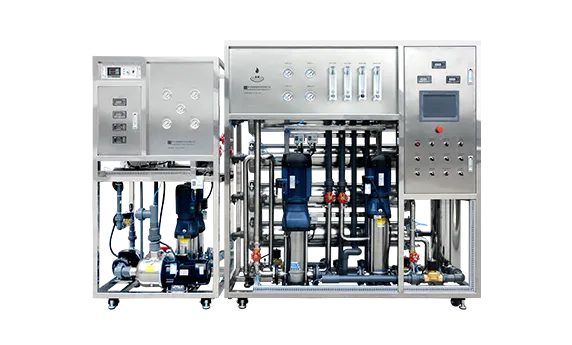
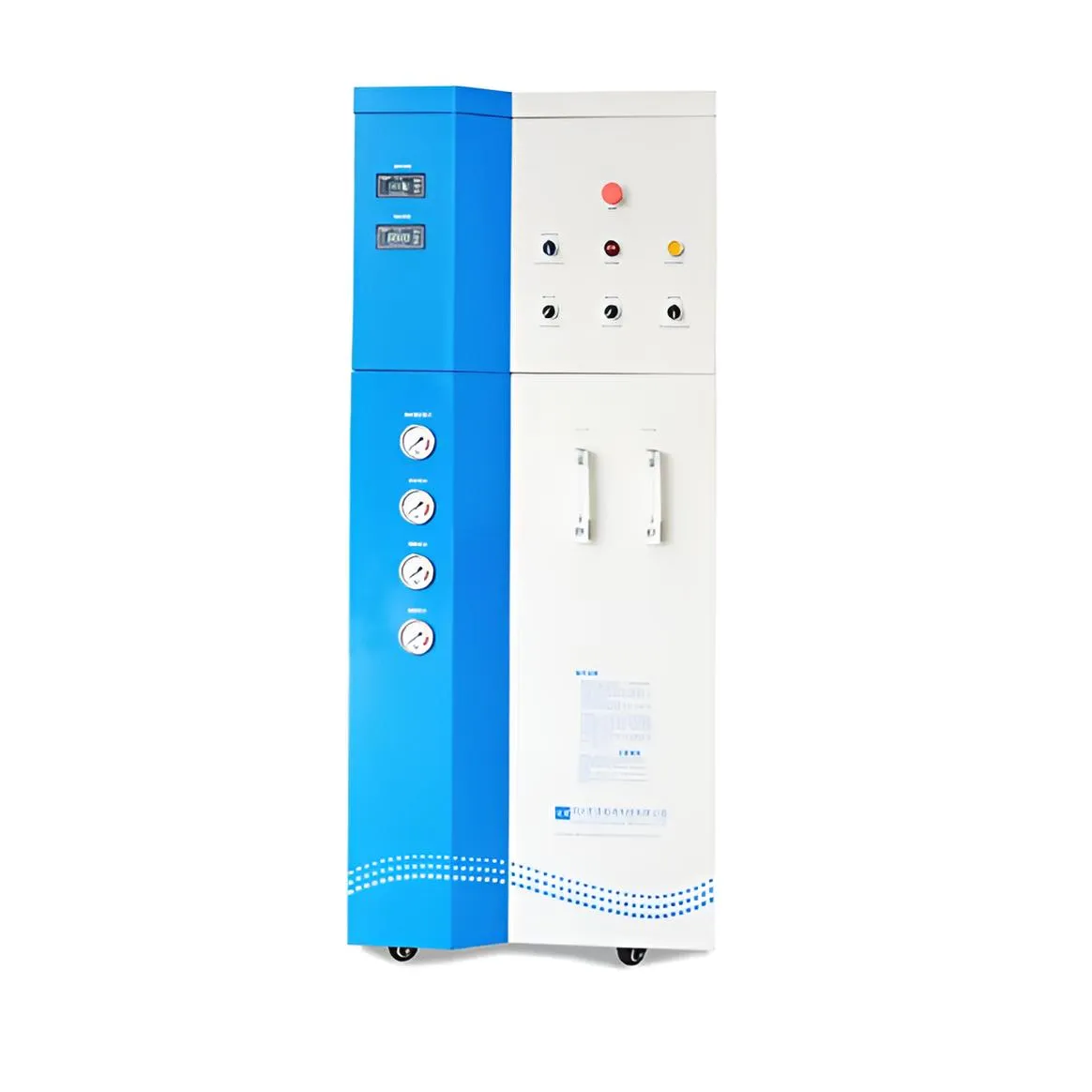
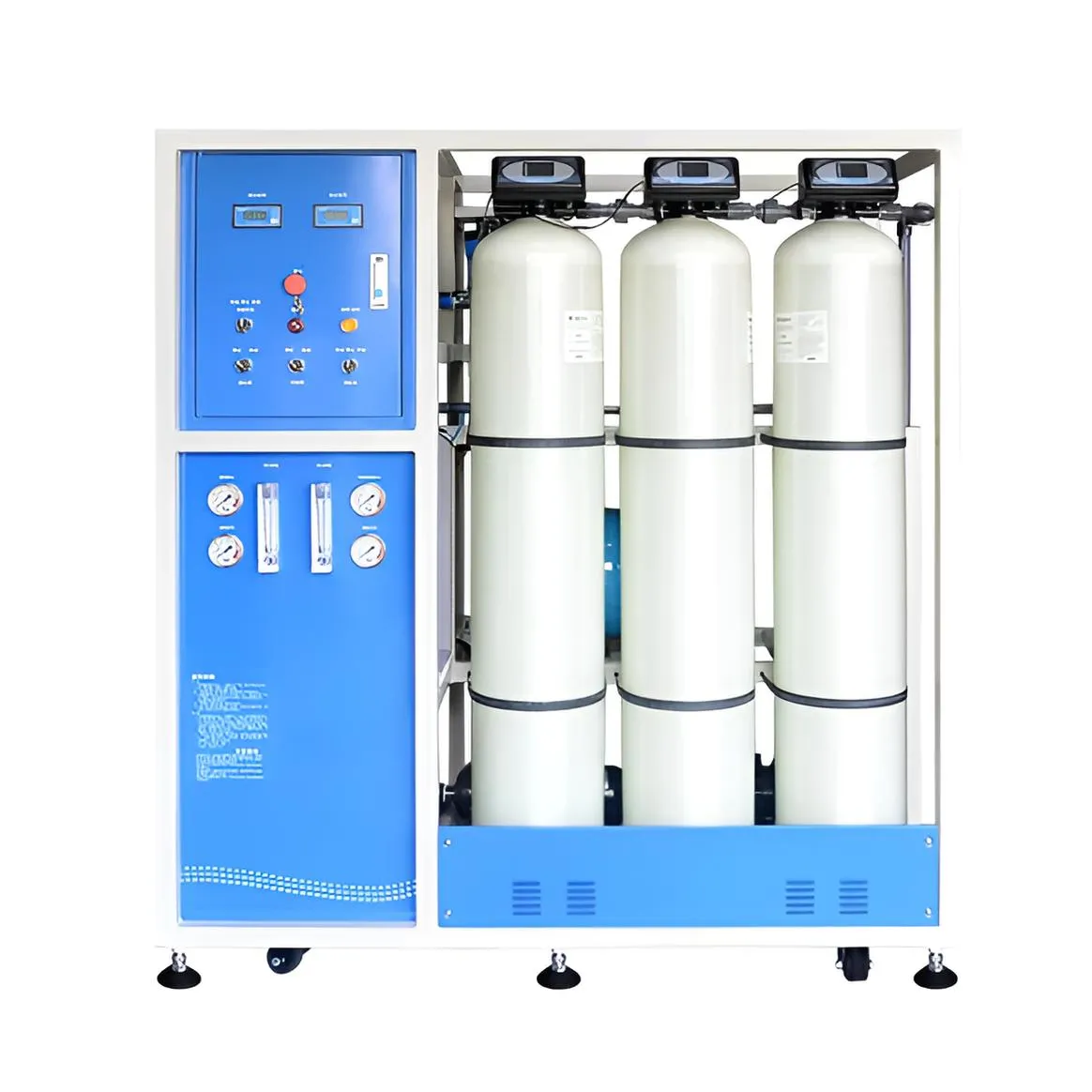
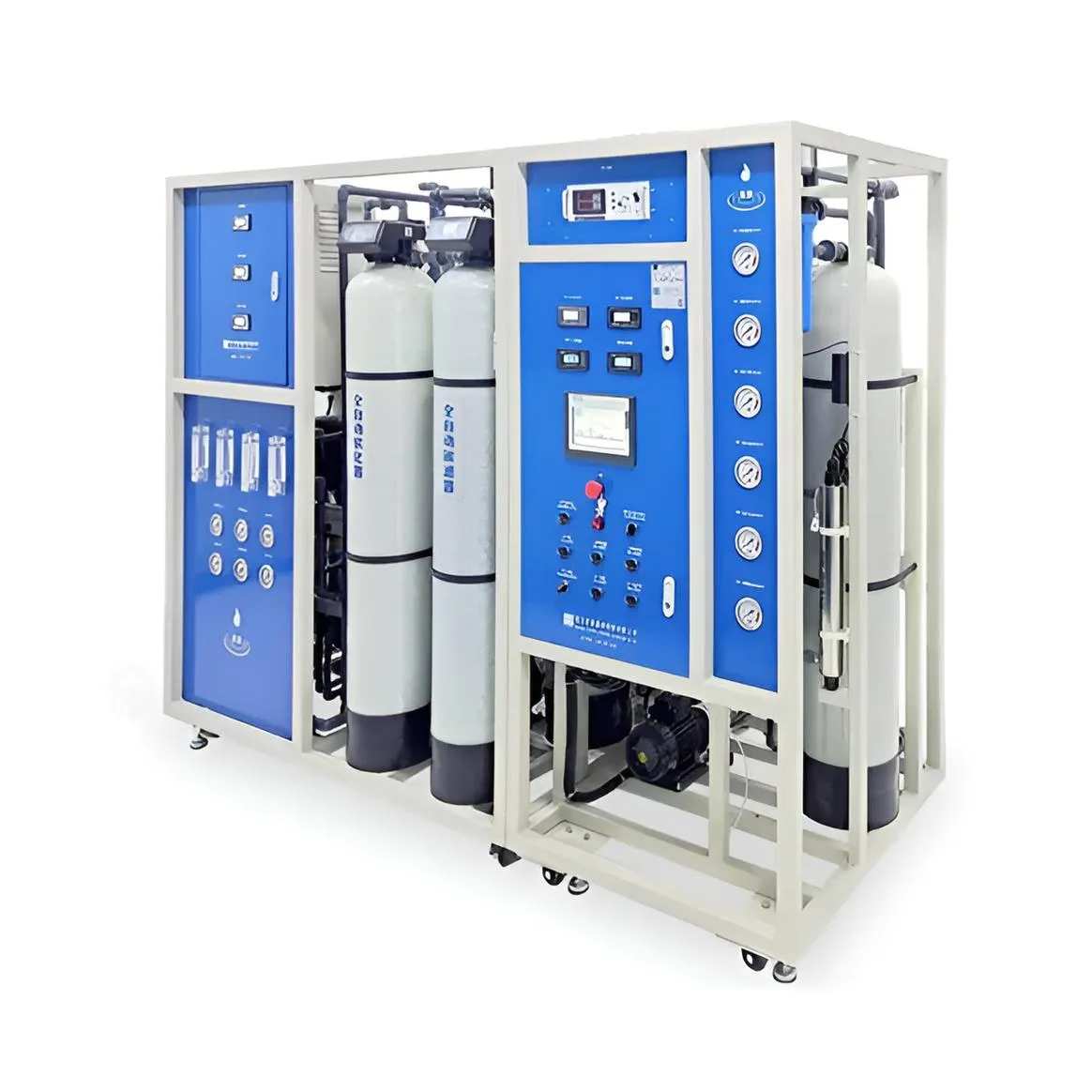
Due to early technological limitations, domestically produced instruments not only lacked a competitive advantage in the domestic market but also faced a long-term unfair competitive environment. Even now, when domestically produced instruments in certain fields possess technology comparable to or even surpassing imported instruments, they often face rejection in domestic instrument bidding processes. For example, while the domestic production rate of instruments like water purifiers and centrifuges is currently very high, many institutions still choose to purchase imported products. Even some hospitals specify imported instruments when purchasing small medical consumables such as screws, surgical sutures, and various reagents. In terms of instrument technology, it's understandable for institutions conducting cutting-edge scientific research to purchase imported instruments, as my country is indeed technologically inferior in the field of high-end instruments. Many researchers also report that domestically produced instruments are cheaper, but they often malfunction shortly after purchase, making imported instruments a more worthwhile investment. Regarding the market environment, due to long-standing prejudice against domestically produced instruments, there's a tendency to dismiss them outright. Some research institutions and organizations even take pride in purchasing imported instruments, leading to a trend of following suit and competing with each other. In this situation of imported instruments monopolizing or semi-monopolizing the market, whether purchasing imported instruments is worthwhile is debatable.
When discussing how to address the market monopoly issue of "high-priced boxed meals on high-speed trains," many people mention government policies. For example, the government should introduce market competition mechanisms for high-speed train catering to prevent monopolies. Similarly, the market monopoly situation in the instrument industry also needs government regulation and improvement. For example, establishing a verification and recommendation system for the instrument industry would give domestically produced instruments sufficient say and provide a third-party platform for promotion, display, and comparison with imported instruments. For instrument users, incentive policies could be introduced, offering policy support and subsidies for purchasing domestically produced instruments. When necessary, the purchase of imported instruments could be restricted or prohibited for certain units, such as township-level units that insist on buying imported instruments even though they don't need their functions. Besides policy issues, domestic instrument manufacturers should also continue to reflect on their shortcomings and avoid becoming "unsupportable" by the government. While "even good wine needs good marketing," if researchers follow policies into unpopular markets but don't find satisfactory results, they will never return. Furthermore, facing market monopolies, instrument companies resorting to price wars to attract customers not only fail to recoup sufficient profits to support subsequent research and development but also damage their brand image. Only by focusing on producing high-quality instruments and using superior quality and technology can the domestic instrument industry stand firm in the face of competition.
While passengers can't compare prices for food on high-speed trains, they can still bring their own food and say "no" to overpriced boxed meals. Similarly, when purchasing medical equipment, since comparison shopping is possible, imports aren't always necessary; high-quality domestically produced equipment may offer a more cost-effective option. Regardless of the emphasis on "domestic" or the issue of supporting domestic products, from a market perspective, it's hoped that domestically produced equipment can be given a level playing field.