







![Troubleshooting Ultrapure Water System [Analysis of Leakage Causes After Installation]](/uploads/image/20260602/troubleshooting-ultrapure-water-system.webp "Troubleshooting Ultrapure Water System [Analysis of Leakage Causes After Installation]")
Phone:
0086 28 87573647
+86 19150187139

1. Scope of Application
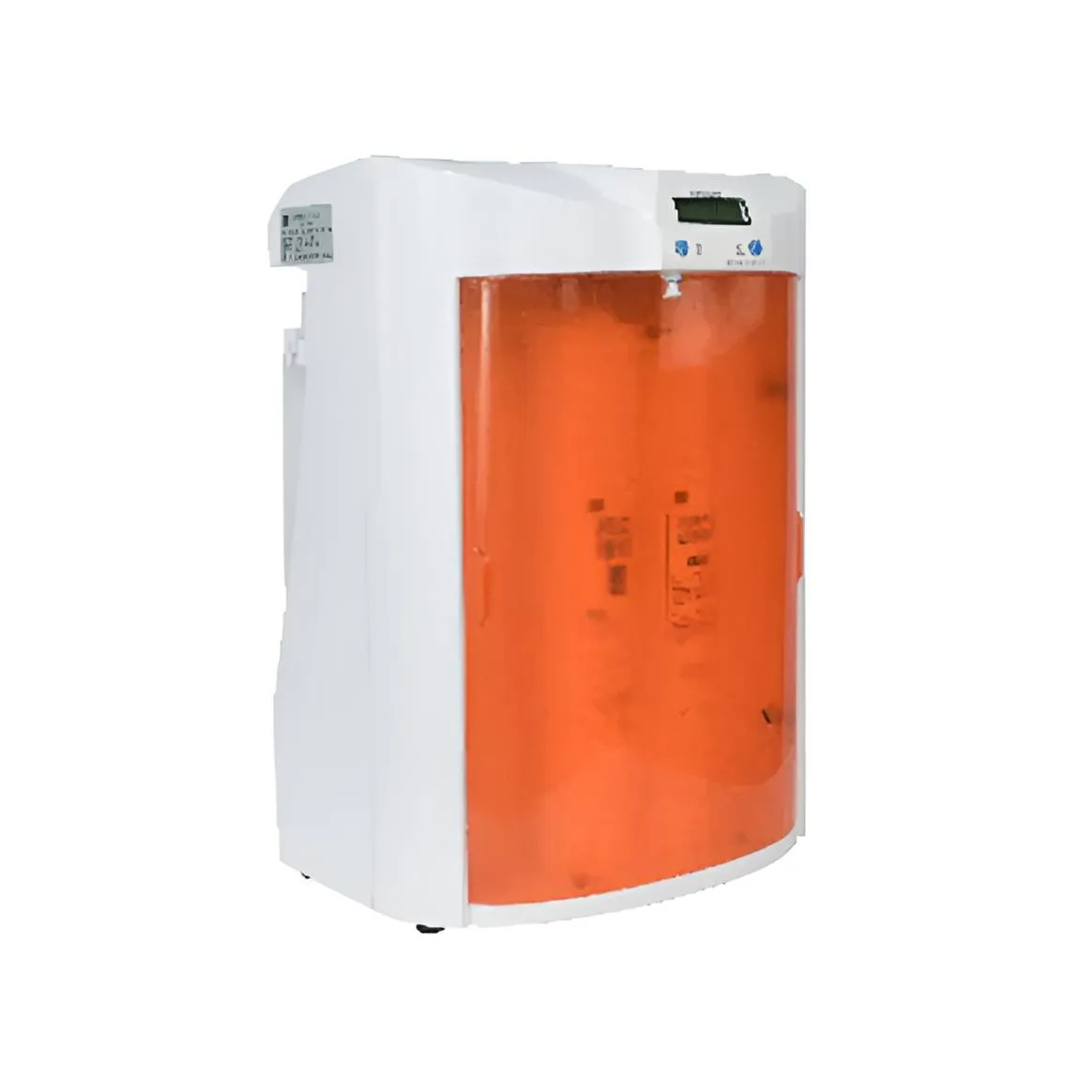
This standard is applicable to the calibration of laboratory pure water systems and ultrapure water systems. It can be used as a reference for the calibration of pure water/ultrapure water monitoring instruments in industrial pure water preparation systems.
2. Referenced Documents
Including JJG119 "Verification Procedure for Laboratory pH (Acidity) Meters", JJG 376 "Verification Procedure for Conductivity Meters", JJF 2019 "Test Specification for Temperature Performance of Liquid Constant Temperature Test Equipment", and GB/T 6682 "Specifications and Test Methods for Water Used in Analytical Laboratories", etc.
3. Overview
Laboratory pure water systems employ multiple technologies to remove conductive media from water. They consist of a purification system, an electrometer system, and an electrode system, and can measure parameters such as resistivity/conductivity, pH value, flow rate, and temperature of pure water.
4. Metrological Characteristics
Conductivity (or Resistivity): Maximum permissible error ±10%.
Conductivity (or Resistivity) Stability: Not exceeding ±2%/30min. pH value: Maximum permissible error ±0.2.
Outlet water flow rate: Maximum permissible error ±5%.
Water production temperature: Maximum permissible error ±0.5°C.
5. Calibration Conditions
Environmental conditions: Ambient temperature (20±5)°C; relative humidity 30%-85%; power supply voltage (220±22)V, and no electromagnetic fields or strong mechanical vibrations that could affect the normal operation of the instrument.
Measurement standards and other equipment: Including standard conductivity meter, pH meter, standard thermometer, graduated cylinder, electronic stopwatch, and standard flow meter, etc.
6. Calibration Items and Methods
Calibration items: Conductivity (or resistivity), conductivity (or resistivity) stability, pH value, outlet water flow rate, water production temperature (pH value, outlet water flow rate, and water production temperature are only calibrated for laboratory pure water systems with these functions; laboratory pure water systems with additional storage tanks do not require outlet water flow rate calibration).
Calibration Methods:
Visual Inspection: Check if the buttons, switches, and control panel are functioning properly; if the digital display is clear and complete; if the nameplate is clear and complete; and if the water purifier has any leaks.
Conductivity (or Resistivity) Indication Error: Measure and calculate the error using a standard conductivity meter connected to a flow-through cell and dedicated test tubing.
Conductivity (or Resistivity) Stability: Under unchanged calibration conditions, measure the water purifier's conductivity every 5 minutes for 30 minutes and calculate the stability.
pH Value: Measure using a standard pH meter with the same connection method as for conductivity, and calculate the pH indication error.
Outlet Water Flow Rate: Measure using either a direct measurement method or a volumetric method, and calculate the outlet water flow rate indication error.
Water Temperature Indication Error: Measure the outlet water temperature using a standard thermometer and calculate the temperature indication error.
7. Expression of Calibration Results
The calibration certificate should include the title, laboratory name and address, calibration location, certificate number, client name and address, description and identification of the calibrated object, calibration date, calibration basis, explanation of the traceability and validity of the measurement standard, description of the calibration environment, explanation of calibration results and measurement uncertainty, explanation of deviations from the calibration specification, and signatures of the issuer, calibrator, and verifier.
8. Recalibration Interval
It is recommended that the recalibration interval be one year. The user organization can determine the interval based on actual usage.





