





Phone:
0086 28 87573647
+86 19150187139

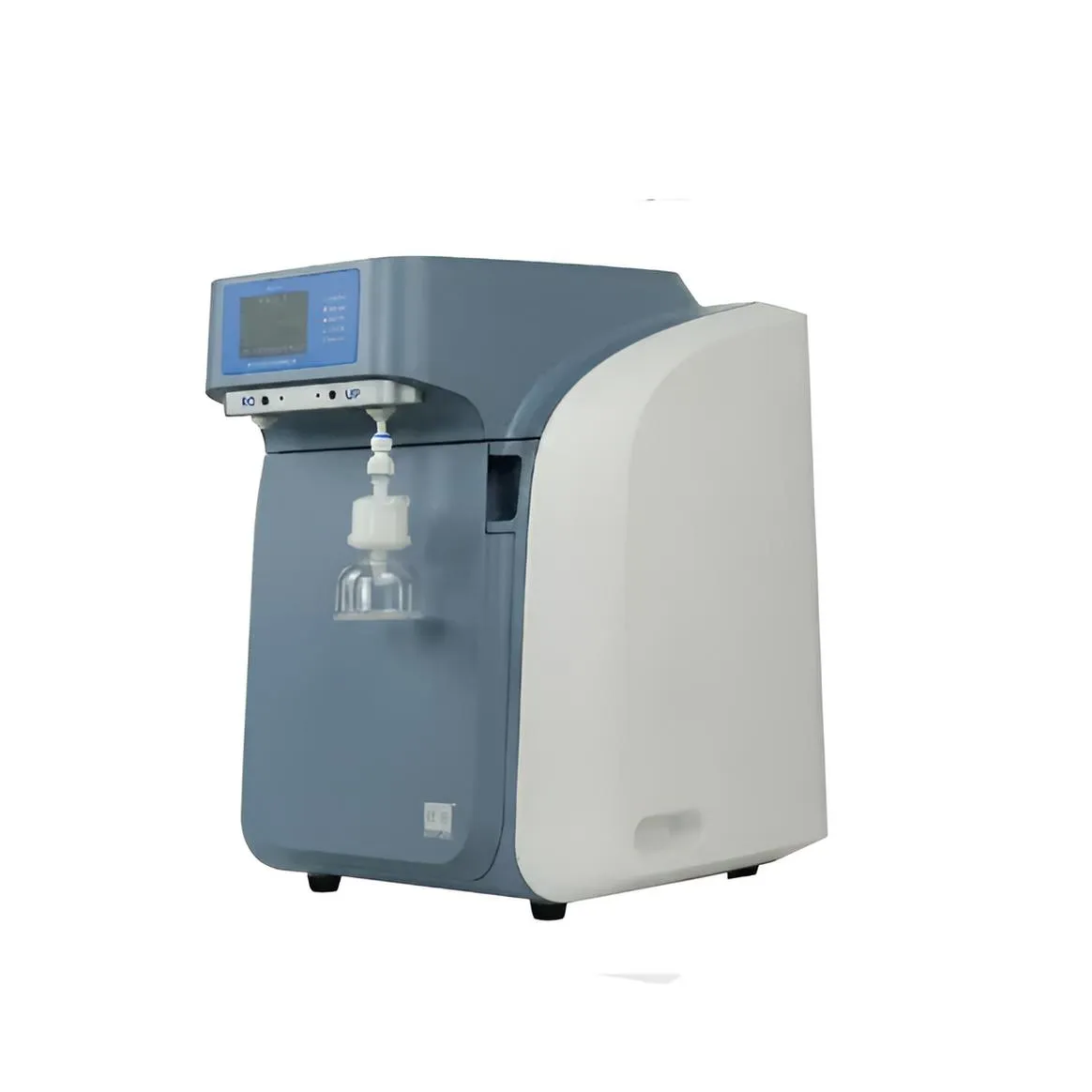
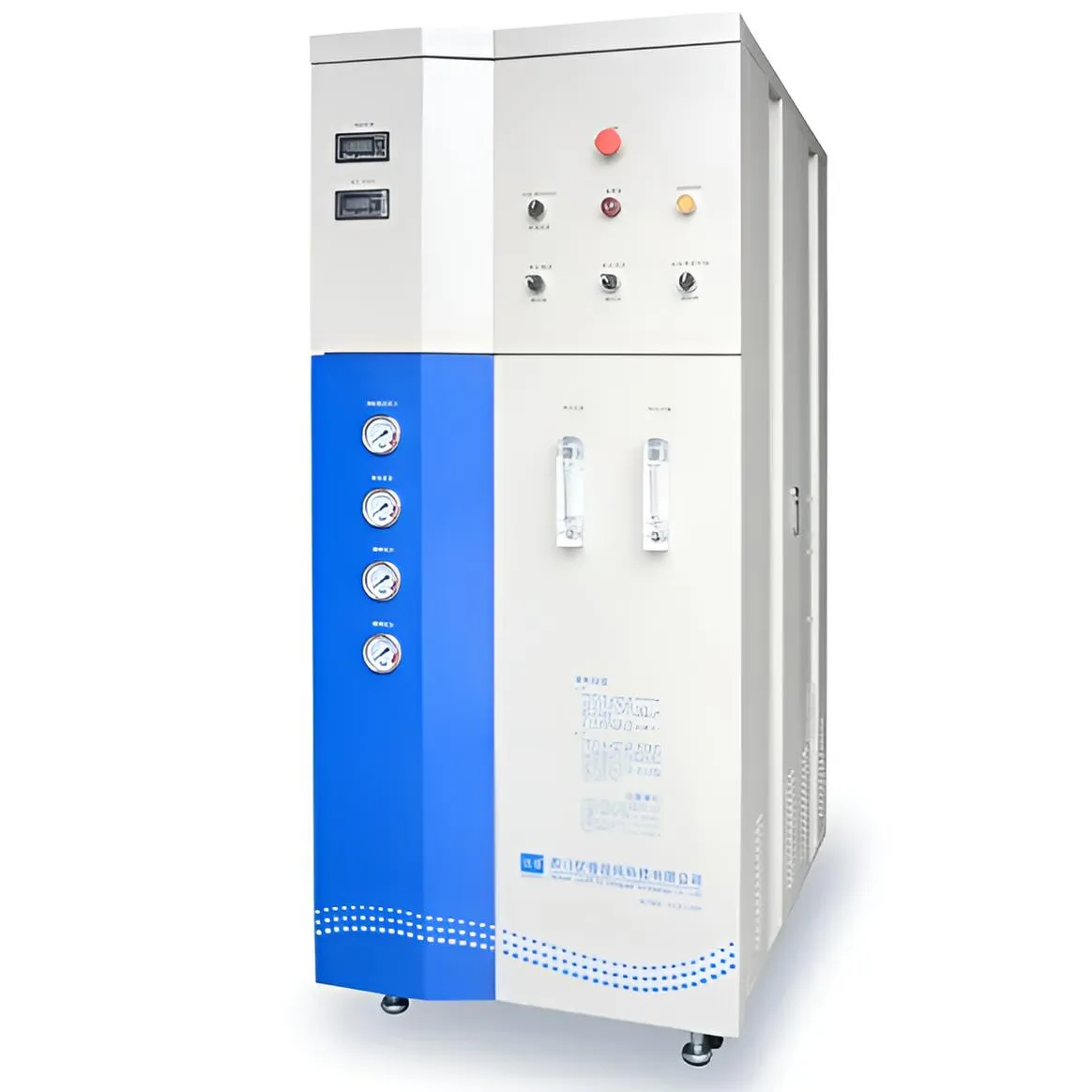
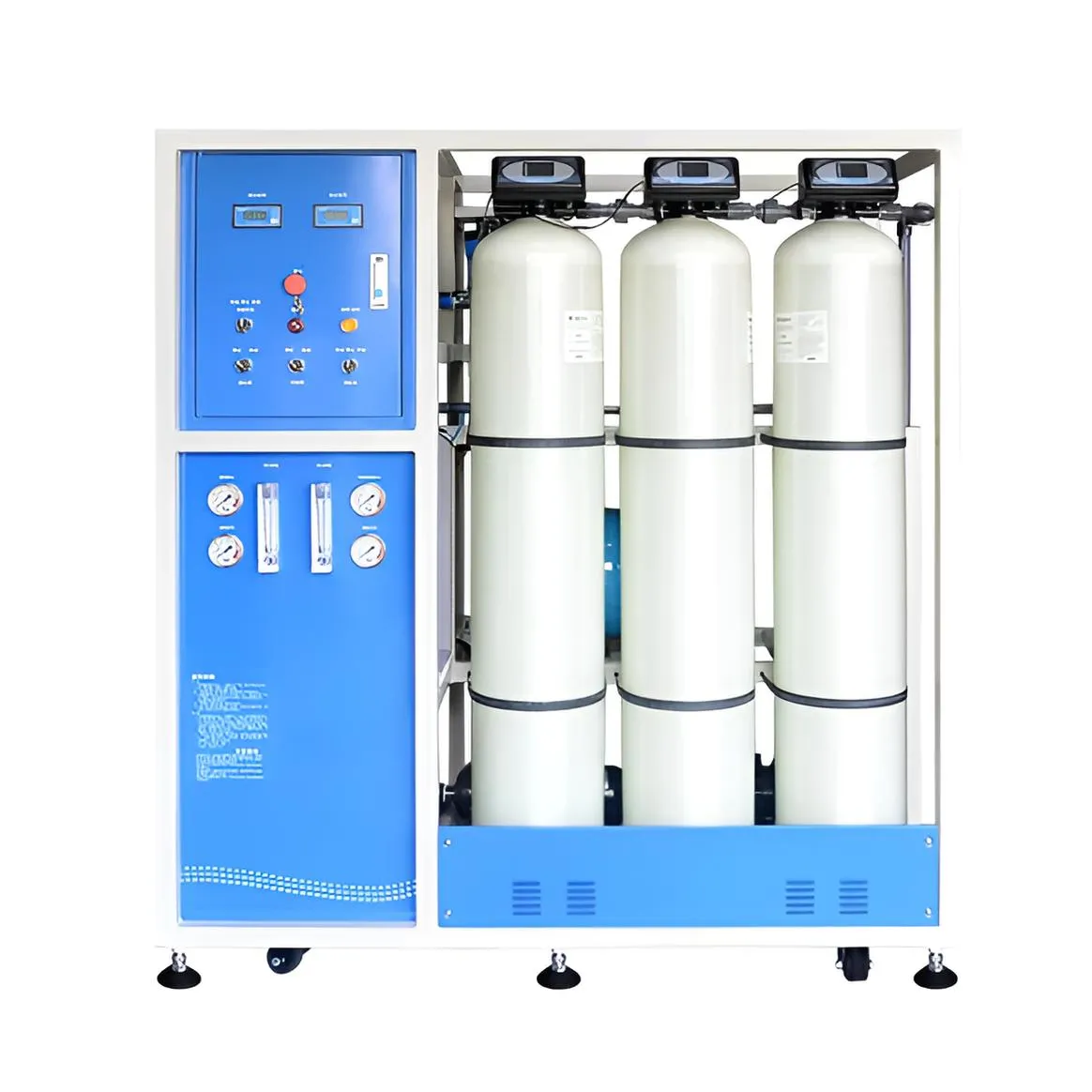
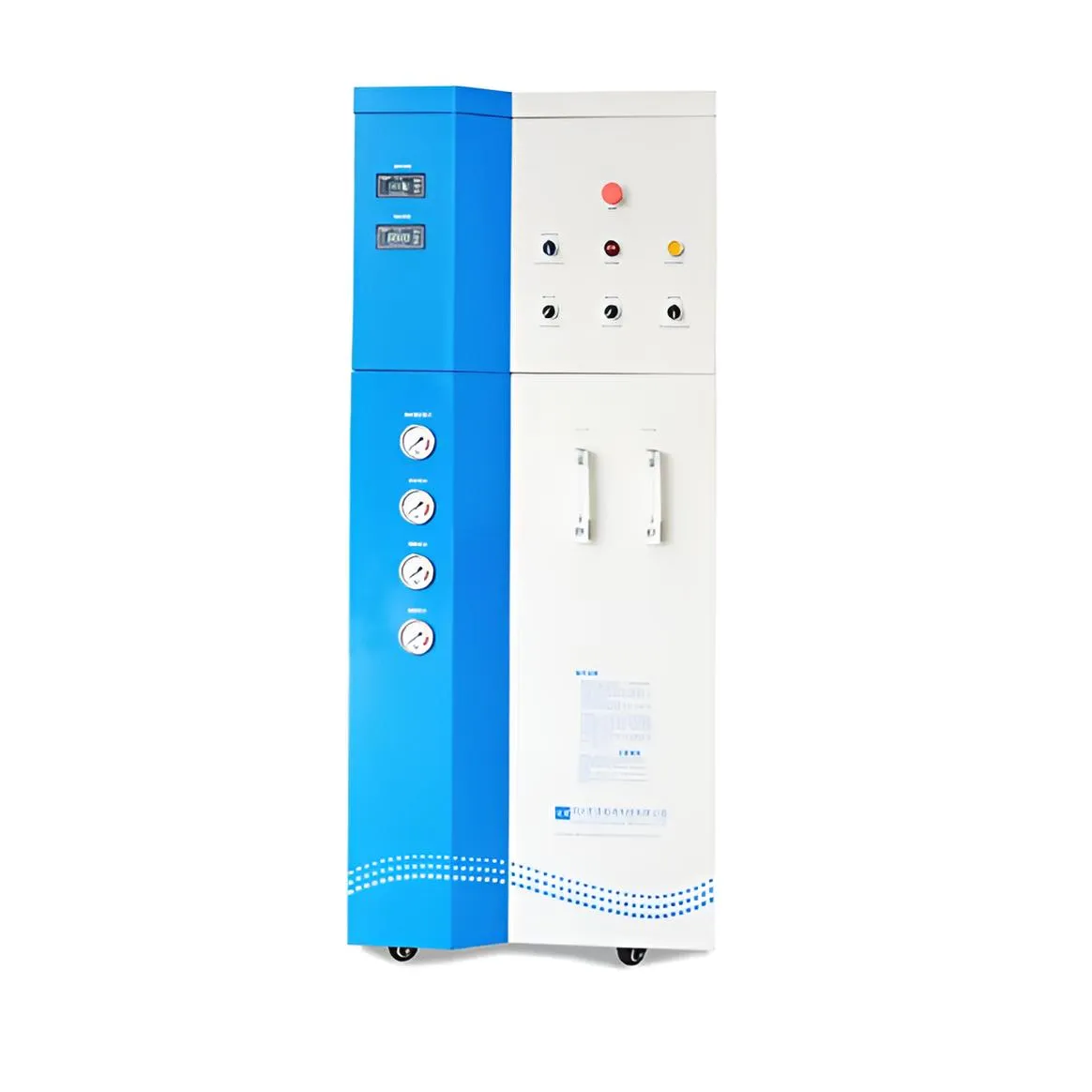
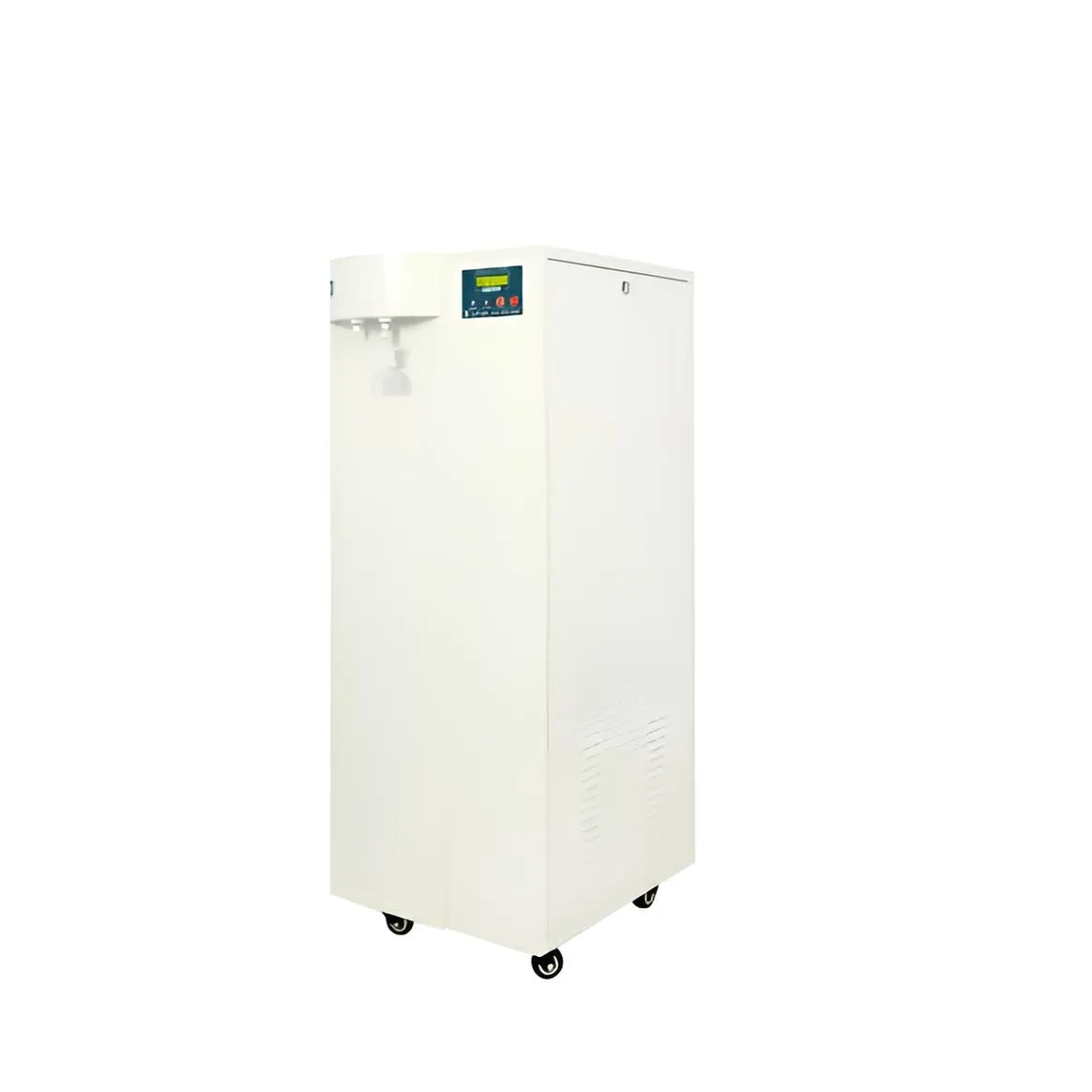
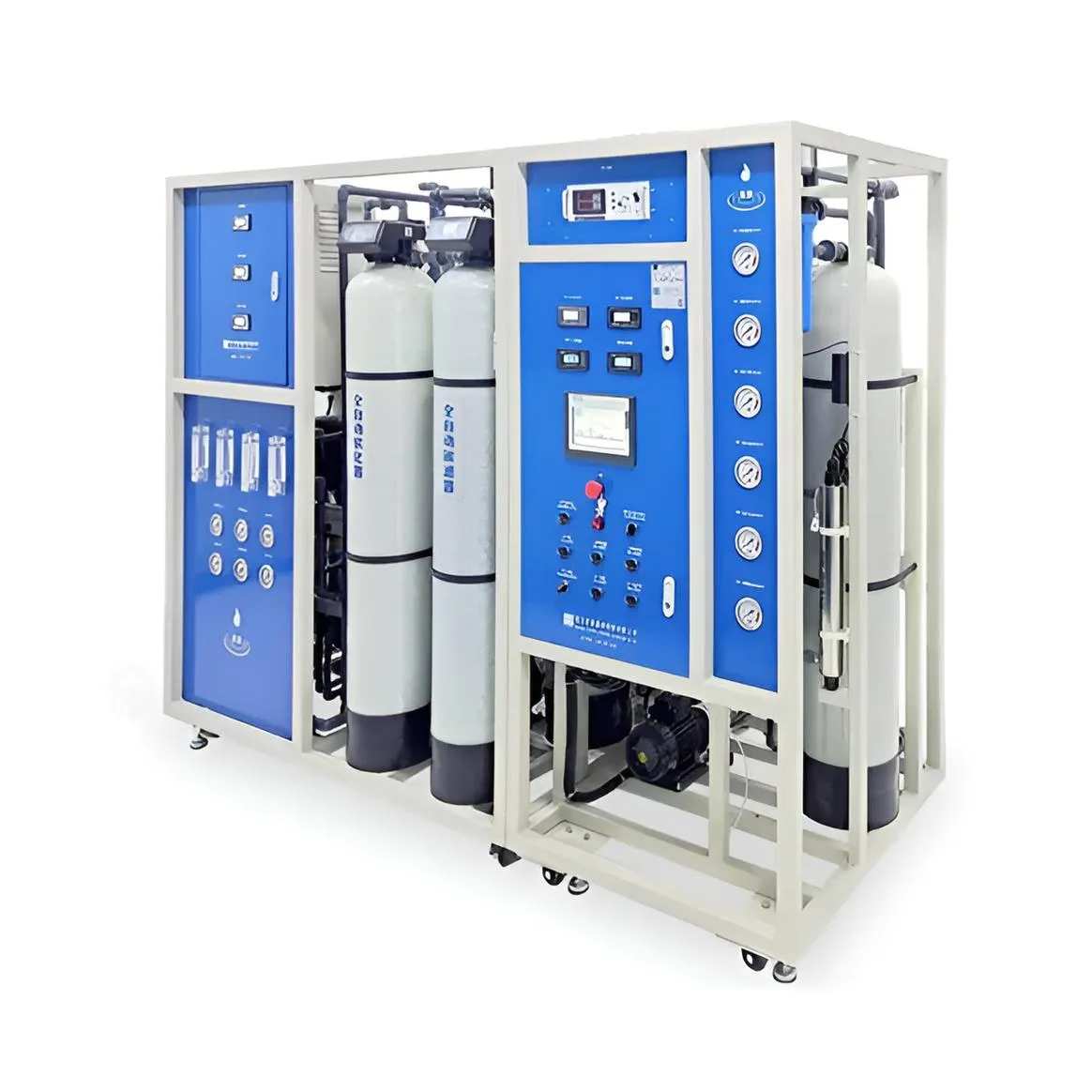
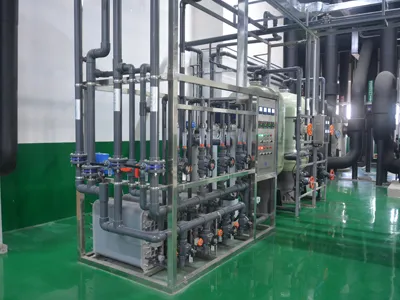
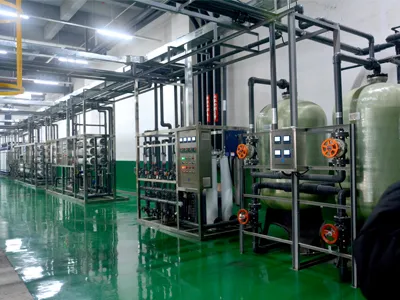
An ultrapure water system is a device used to produce pure water and ultrapure water, which is most commonly used in laboratories. Therefore, the water used in laboratories is very particular. Today, we'll summarize some relevant knowledge about laboratory water use:
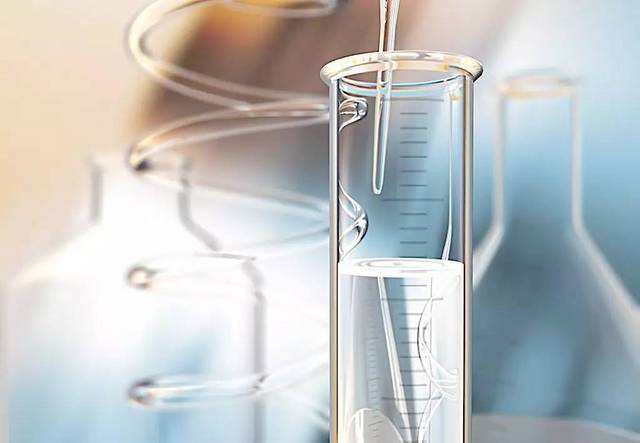
1. Distilled Water: The most commonly used type of pure water in laboratories. Although the equipment is inexpensive, it is extremely energy-intensive, water-consuming, and slow, and its use is gradually decreasing. Distilled water removes most contaminants from tap water, but volatile impurities such as carbon dioxide, ammonia, silica, and some organic matter cannot be removed. Fresh distilled water is sterile, but bacteria can easily multiply after storage. Furthermore, the storage container is also crucial; if it is not made of inert material, ions and plasticizing agents from the container can leach out, causing secondary contamination.
2. Deionized Water: Ion exchange resins are used to remove anions and cations from water, but soluble organic matter still exists, which can contaminate the ion exchange column and reduce its effectiveness. Deionized water is also prone to bacterial growth after storage.
3. Reverse Osmosis Water: Reverse osmosis water overcomes many of the shortcomings of distilled and deionized water. Using reverse osmosis technology, dissolved salts, colloids, bacteria, viruses, bacterial endotoxins, and most organic matter can be effectively removed from water. 4. Ultrapure water: The standard for ultrapure water is a resistivity of 18.2 MΩ-cm. However, ultrapure water varies in terms of TOC, bacteria, and endotoxin levels, depending on the experimental requirements. For example, cell culture has requirements for bacteria and endotoxins, while HPLC requires low TOC.
With the application of precision analytical instruments and the improvement of testing and detection technologies, laboratory water has become a crucial factor affecting the sensitivity, accuracy, and reliability of testing and detection. Therefore, to avoid the adverse consequences of inconsistent laboratory water quality, the new national food safety standard has abandoned the vague requirements for laboratory water such as "distilled water," "deionized water," and "deionized distilled water" that often appeared in the old national standard, and decisively adopted new regulations with specific indicators and parameters for water quality. This is mainly based on the regulations for each grade of water in GB/T6682-2008, "Specifications and Test Methods for Water Used in Analytical Laboratories."
According to the national standard GB/T 6682—2008, laboratory water is classified into three grades: Grade I, Grade II, and Grade III.
1. Grade I water can be produced from Grade II water through quartz distillation or an ultrapure water preparation device, followed by filtration through a 0.2μm microporous membrane.
2. Grade II water can be produced through multiple distillations or an ultrapure water preparation device.
3. Grade III water can be produced through distillation or ion exchange.
1. Resistivity: An indicator of the electrical conductivity of laboratory water, measured in MΩ-cm. The resistance gradually increases as the amount of inorganic ions in the water decreases. The standard for laboratory ultrapure water is a resistivity of 18.2 MΩ-cm.
2. Total Organic Carbon (TOC): The concentration of carbon in water, reflecting the content of oxidized organic compounds in the water, measured in ppm or ppb. 3. Endotoxin: Lipopolysaccharide cell wall fragments of Gram-negative bacteria, also known as "pyrogens," measured in CFU/ml.
IV. Storage of Laboratory Water?
1. All grades of water should be stored in sealed, dedicated polyethylene containers. Grade III water may also be stored in sealed, dedicated glass containers.
2. New containers should be soaked in a 20% hydrochloric acid solution for 2–3 days before use, then repeatedly rinsed with the water to be tested, and filled with the test water for at least 6 hours.
3. During storage, the main sources of contamination for all grades of water are the dissolution of soluble components in the container, carbon dioxide in the air, and other impurities. Grade I water and carbon dioxide-free water should not be stored and must be prepared before use. Grade III water can be prepared in appropriate quantities, but the storage period should not exceed 7 days, and it must be stored in appropriate containers that have been pre-washed with the same grade of water.
4. Storage containers should be labeled with relevant information about the laboratory water, including name, preparation date, preparer, and other necessary notes.





