


Phone:
0086 28 87573647
+86 19150187139
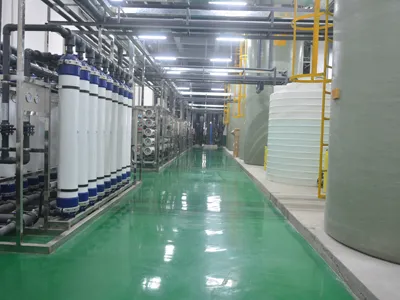
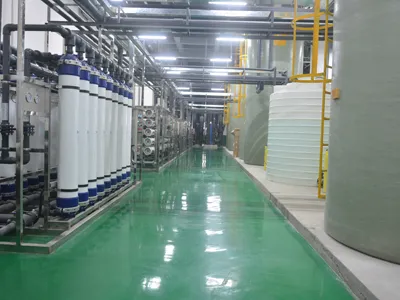
Reverse osmosis membranes are a crucial component of laboratory ultrapure water systems, filtering and treating impurities in water through small pores. Therefore, after prolonged use, they may become clogged for various reasons, affecting the quality of the output water. To solve this problem, we need to understand the causes of reverse osmosis membrane clogging. Only by identifying the causes can we find the correct solutions and prevent such problems from occurring:
1. High Hardness of Raw Water: In some areas, the content of calcium and magnesium ions in the water is relatively high, resulting in high water hardness. Reverse osmosis membranes can operate for extended periods in such environments, making them prone to scaling, which reduces the equipment's water production.
2. Raw Water Contains Bacteria, Organic Matter, and Colloids: In some areas, due to geological factors, the content of bacteria, organic matter, and colloids in the water is relatively high, which can also clog the reverse osmosis membrane.
3. High Turbidity of Raw Water: In some urban and rural areas, laboratory water contains more impurities, such as sand and turbidity, which accelerates the pretreatment clogging of the laboratory ultrapure water system, leading to reverse osmosis membrane clogging.
4. High residual chlorine content in raw water: In areas with severe water pollution and high residual chlorine content, residual chlorine can oxidize the reverse osmosis membrane and rapidly reduce its desalination rate.
5. Fluctuations in inlet water pressure: Besides raw water quality issues, fluctuations in the inlet water pressure of the laboratory ultrapure water system are also a significant cause of reverse osmosis membrane failure and clogging. Unstable and highly variable inlet water pressure can, under certain circumstances, rupture the reverse osmosis membrane, leading to leakage from the ultrapure water system.
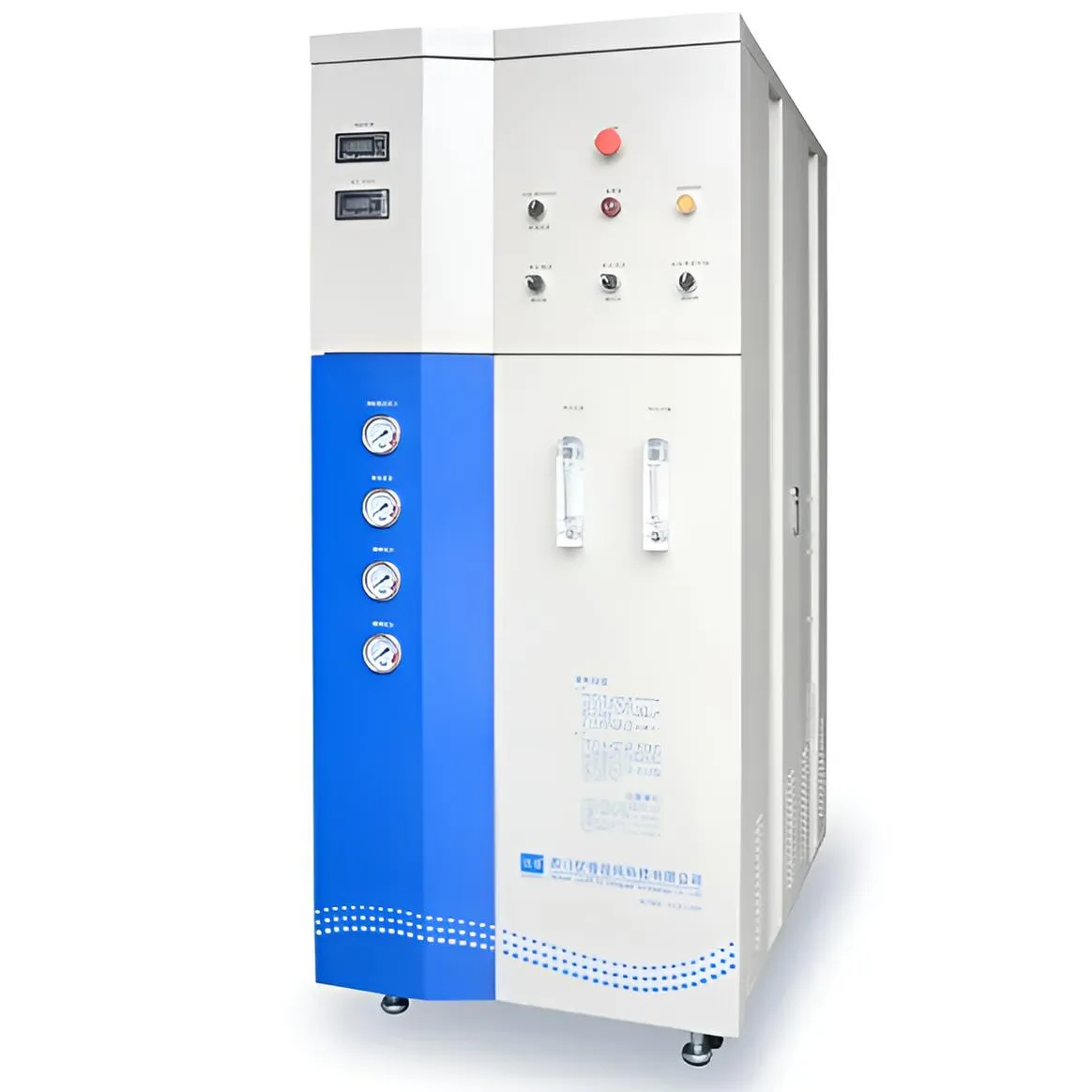
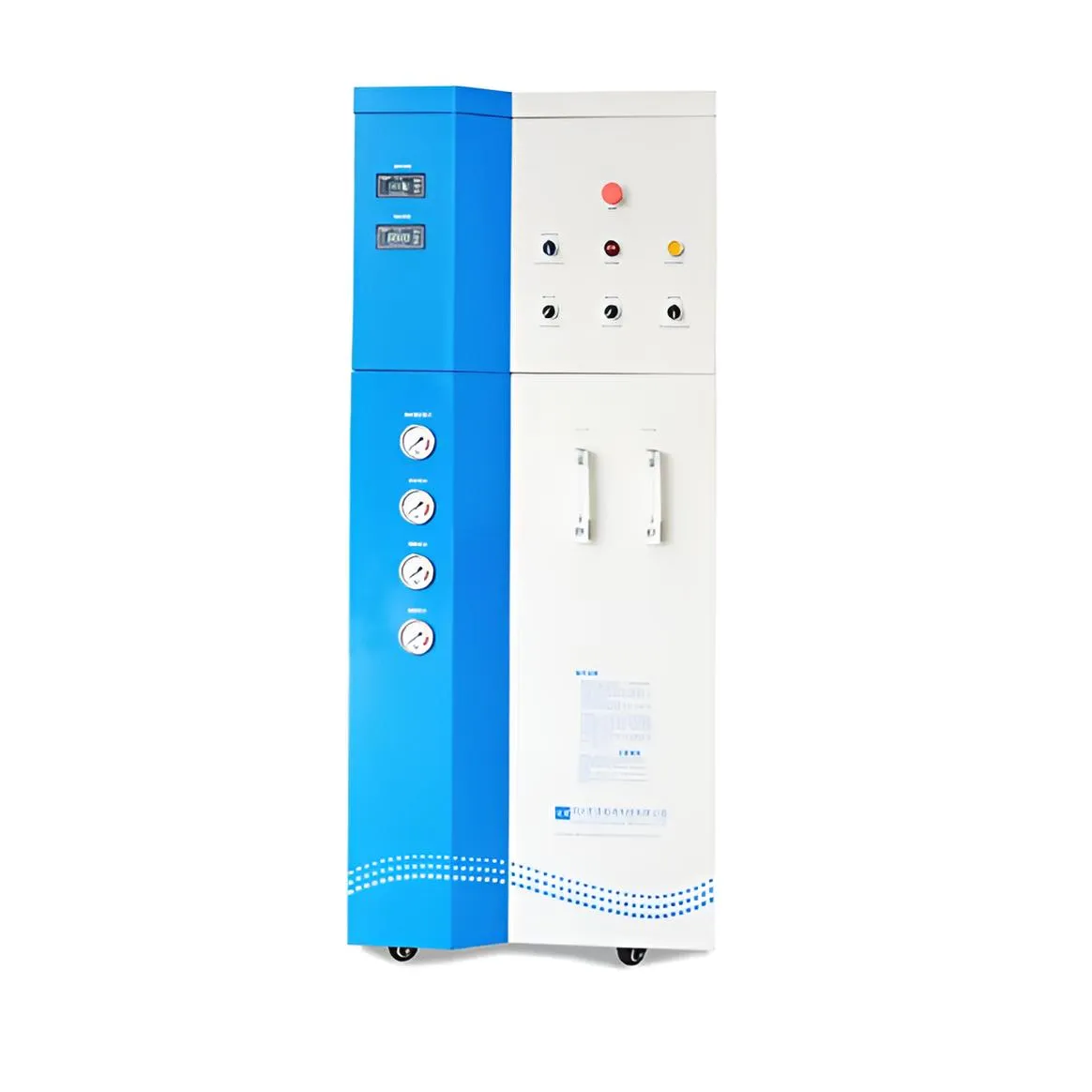
These are some of the main reasons for reverse osmosis membrane clogging in laboratory ultrapure water systems, most of which are due to poor raw water quality leading to increased reverse osmosis load. To address these issues, UPU laboratory ultrapure water systems are equipped with various pretreatment devices based on the raw water quality of different regions. This ensures pretreatment, thereby reducing the load on the reverse osmosis membrane. However, the lifespan of the reverse osmosis membrane is inherently affected by water quality and water consumption. Even with proper maintenance, if the reverse osmosis membrane still becomes clogged, it is recommended to contact after-sales personnel for timely replacement to avoid affecting water quality.