






Phone:
0086 28 87573647
+86 19150187139

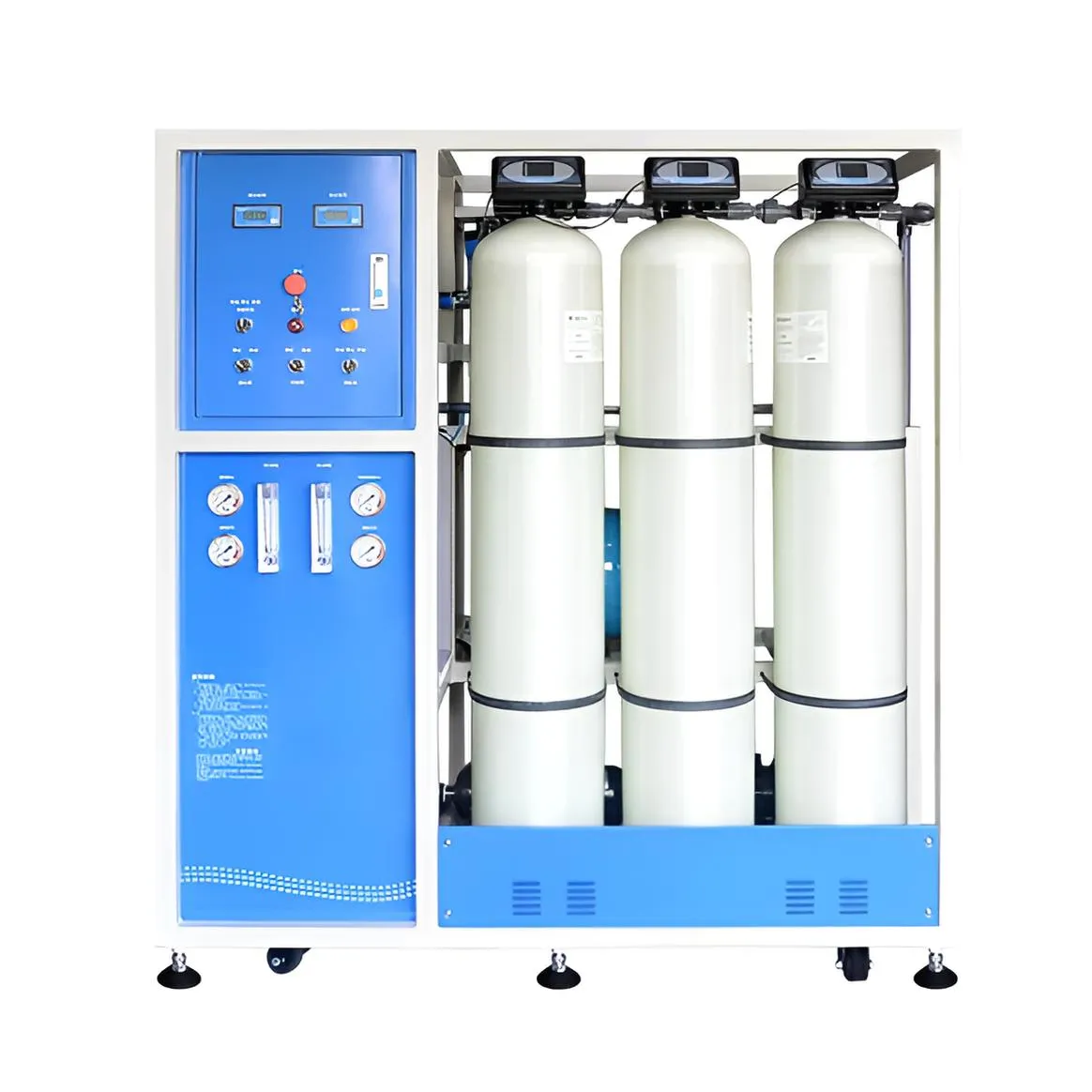
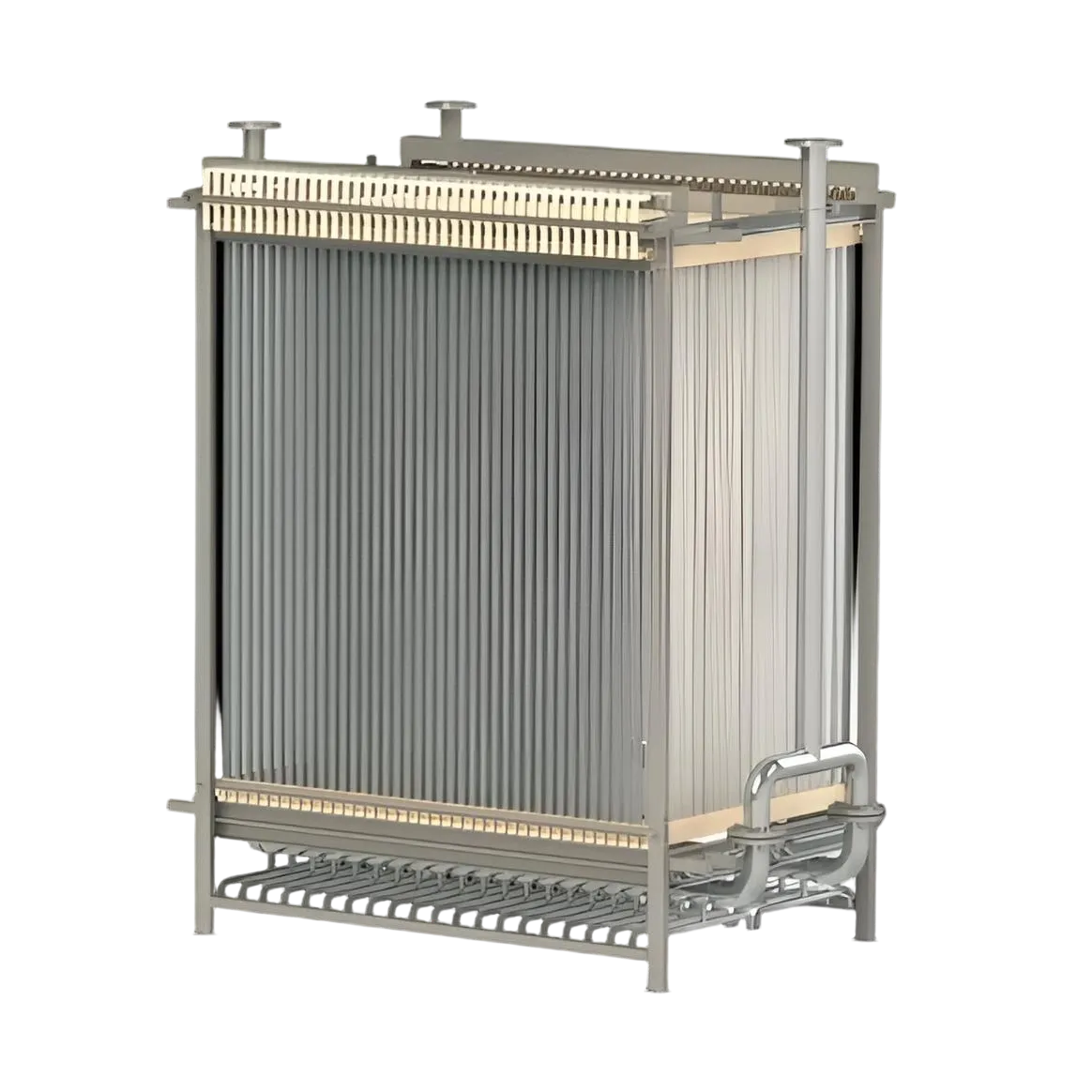
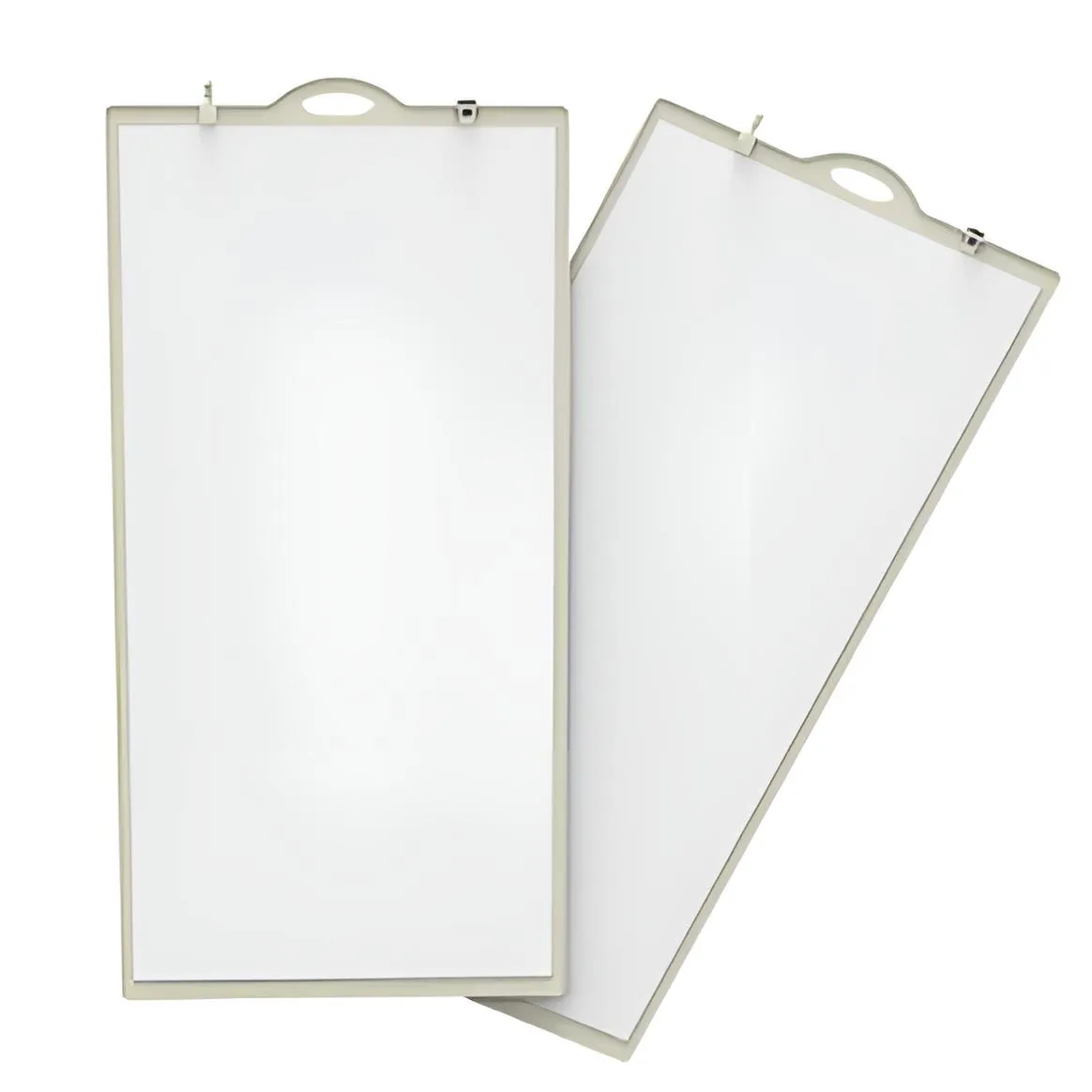
The purpose of sediment filtration is to remove suspended particulate matter or colloidal matter from the water source. If these particulate matter is not removed, it will cause damage to other sophisticated filter membranes of dialysis water or even block the waterway. This is the oldest and simplest water purification method, so this step is often used in the preliminary treatment of water purification. If necessary, several more filters will be added to the pipeline to remove larger impurities. There are many types of filters used to filter suspended particulate matter, such as mesh filters, sand filters (such as quartz sand, etc.) or membrane filters. As long as the particle size is larger than the size of these holes, it will be blocked. For ions dissolved in water, it cannot be blocked. If the filter has not been replaced or cleaned for a long time, more and more particulate matter will accumulate on the filter, and the water flow and water pressure will gradually decrease. People use the difference between the inlet water pressure and the outlet water pressure to judge the degree of blockage of the filter. Therefore, the filter must be backflushed regularly to remove impurities accumulated on it, and the filter must also be replaced within a fixed time.
There is another problem worth noting with the sediment filtration method. Because particulate matter is constantly blocked and accumulated, bacteria may breed in these materials and release toxic substances through the filter, causing pyrogen reactions. Therefore, the filter must be replaced frequently. In principle, when the pressure difference between the inlet and outlet water increases to five times the original value, the filter needs to be replaced.





