






Phone:
0086 28 87573647
+86 19150187139

With the application of internationally advanced reverse osmosis membrane technology, comprehensive water treatment solutions are provided for seawater desalination and wastewater reuse, effectively ensuring the requirements of drinking water, domestic water, and industrial water in the Chinese market. How to judge the performance of a reverse osmosis membrane during application?
The desalination rate directly affects the quality indicators of the reverse osmosis membrane:
Below is an introduction to the desalination rate: the percentage of soluble impurities removed from the feed water of an ultrapure water system through the reverse osmosis membrane; Salt permeation rate: the percentage of soluble impurities in the feed water that permeates through the membrane;
How to calculate the desalination rate:
Desalination rate = (1 - Permeate salinity / Feed water salinity) × 100%
Salt permeation rate = 100% - Desalination rate;
The desalination rate of the membrane element is determined during its manufacturing process. The desalination rate depends on the density of the ultrathin desalination layer on the surface of the membrane element. The lower the density of the desalination layer, the higher the desalination rate, but the lower the permeate flow rate.
The removal rate of different substances by reverse osmosis is mainly determined by the structure and molecular weight of the substances. The removal rate for high-valence ions and complex monovalent ions can exceed 99%. The removal rate for monovalent ions such as sodium, potassium, and chloride ions is slightly lower, but still exceeds 98%. The removal rate for organic matter with a molecular weight greater than 100 can also reach 98%, but the removal rate for organic matter with a molecular weight less than 100 is lower.
Factors affecting reverse osmosis membrane performance: Feed water pH has almost no effect on product water; however, it has a significant impact on desalination rate. Because dissolved CO2 in water exists as gaseous CO2 at low pH, it easily permeates the reverse osmosis membrane. Therefore, the desalination rate is low at low pH. As pH increases, gaseous CO2 is converted into CO3 and CO32- ions, and the desalination rate gradually increases, reaching its highest point between pH 7.5 and 8.5.
Osmotic pressure is a function of the concentration of salt powder or organic matter in the water. The higher the salt content, the greater the concentration gradient, the higher the salt permeability, and thus the lower the desalination rate.
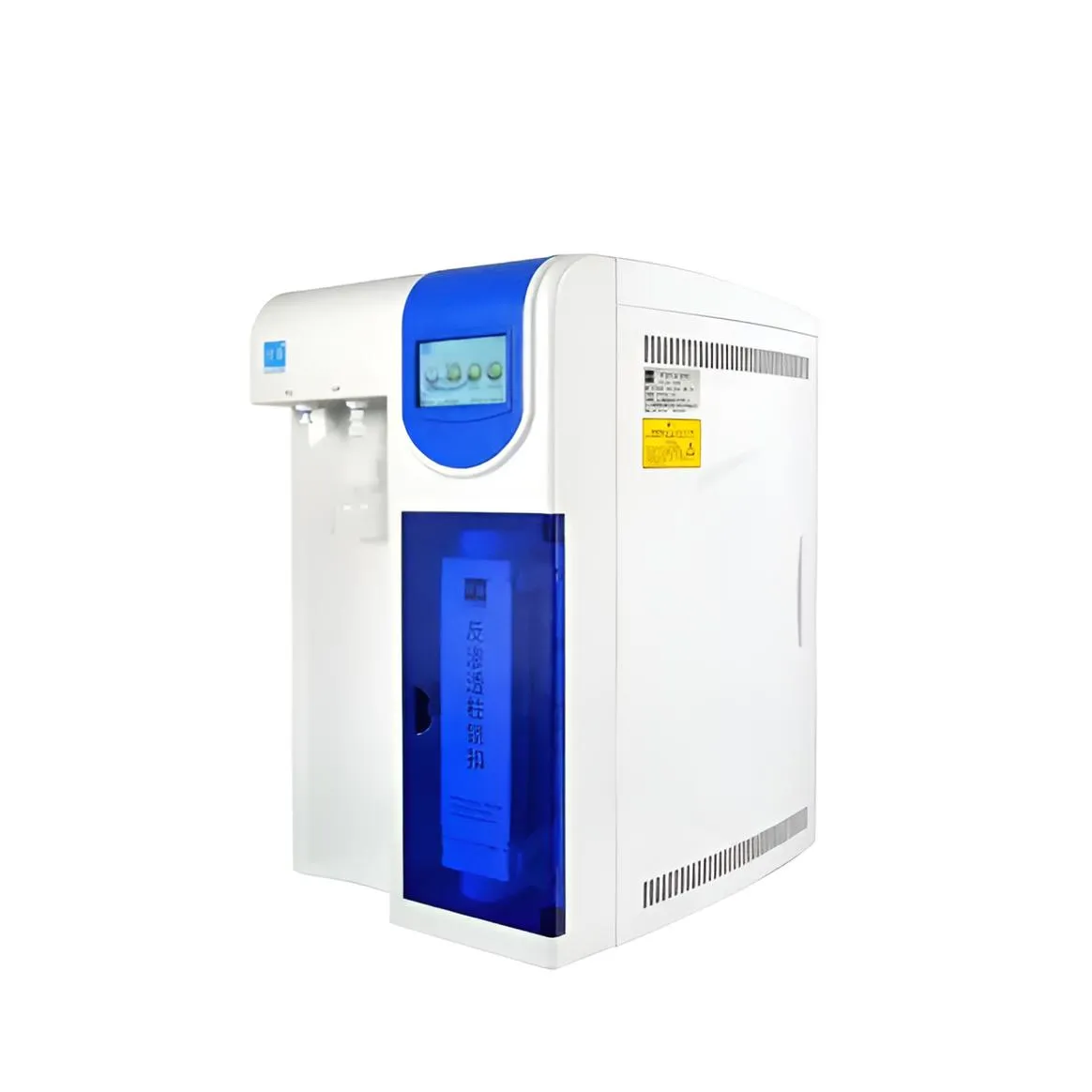
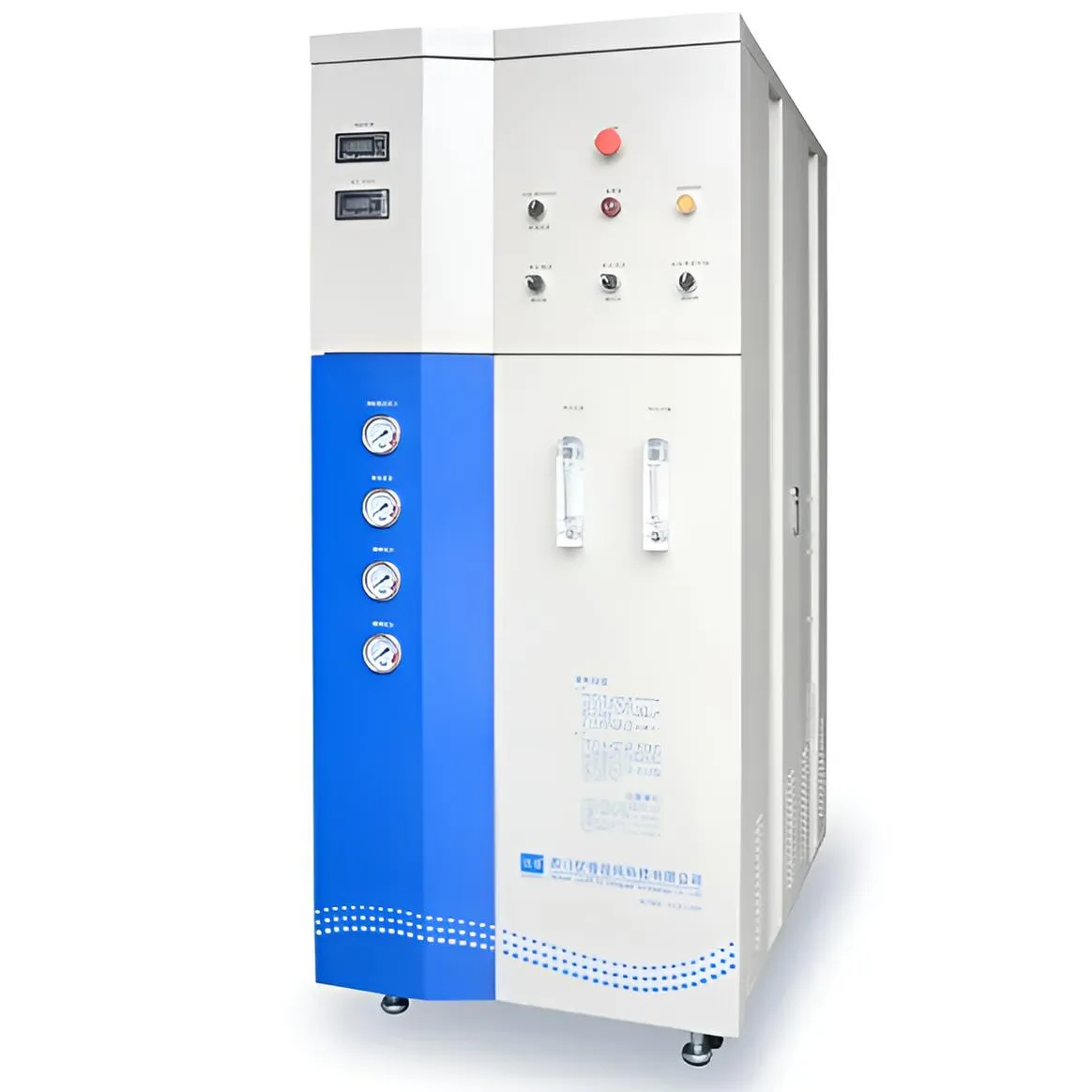
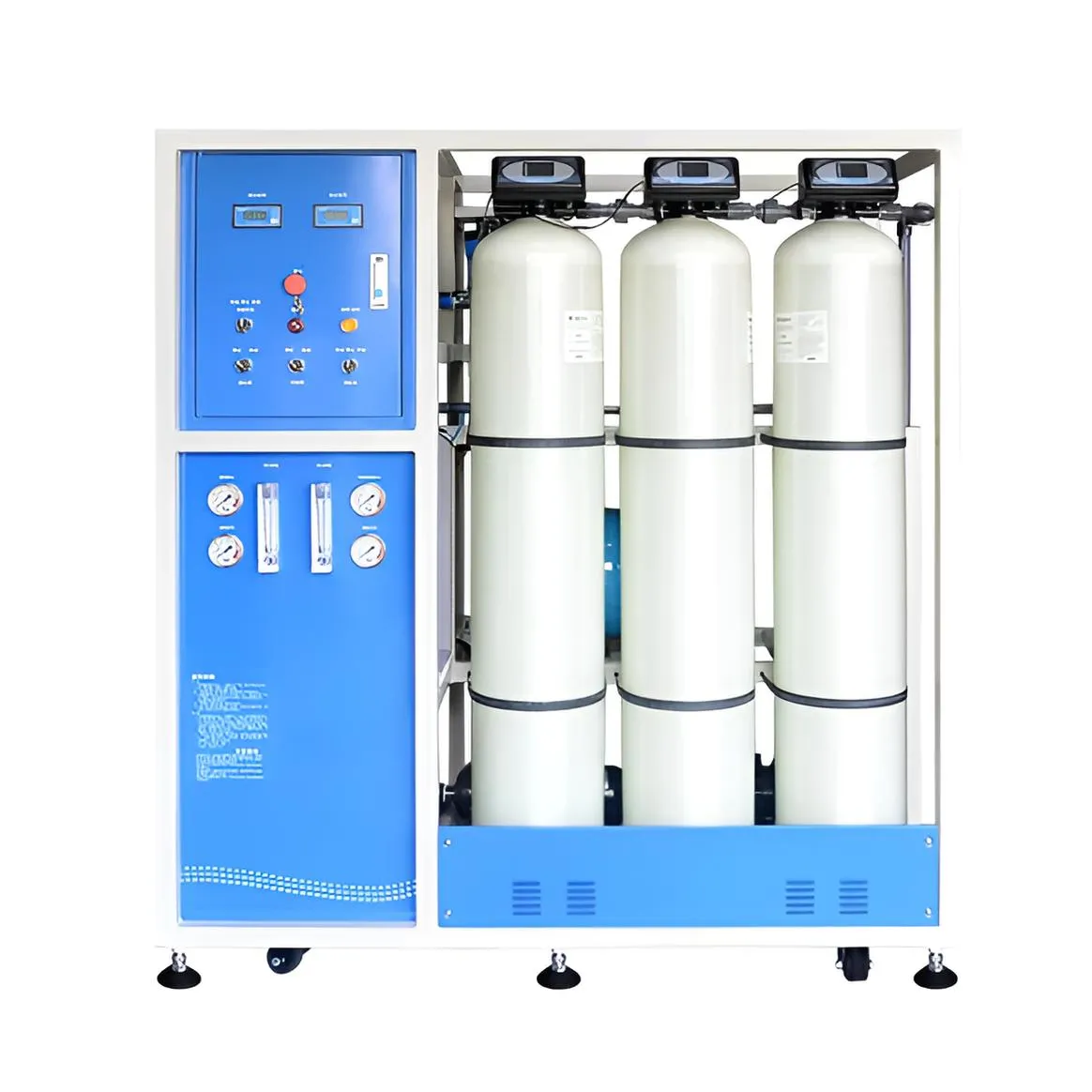
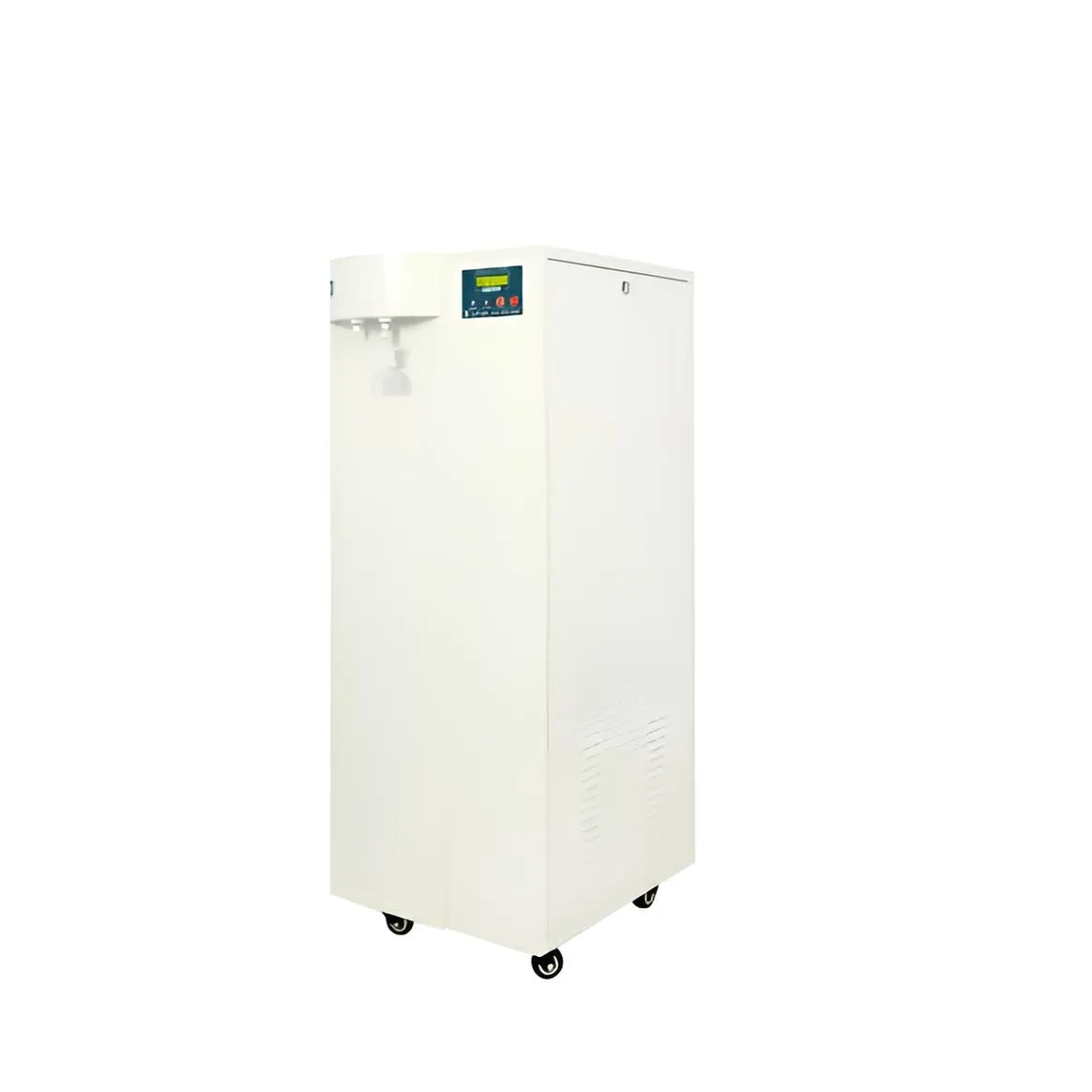
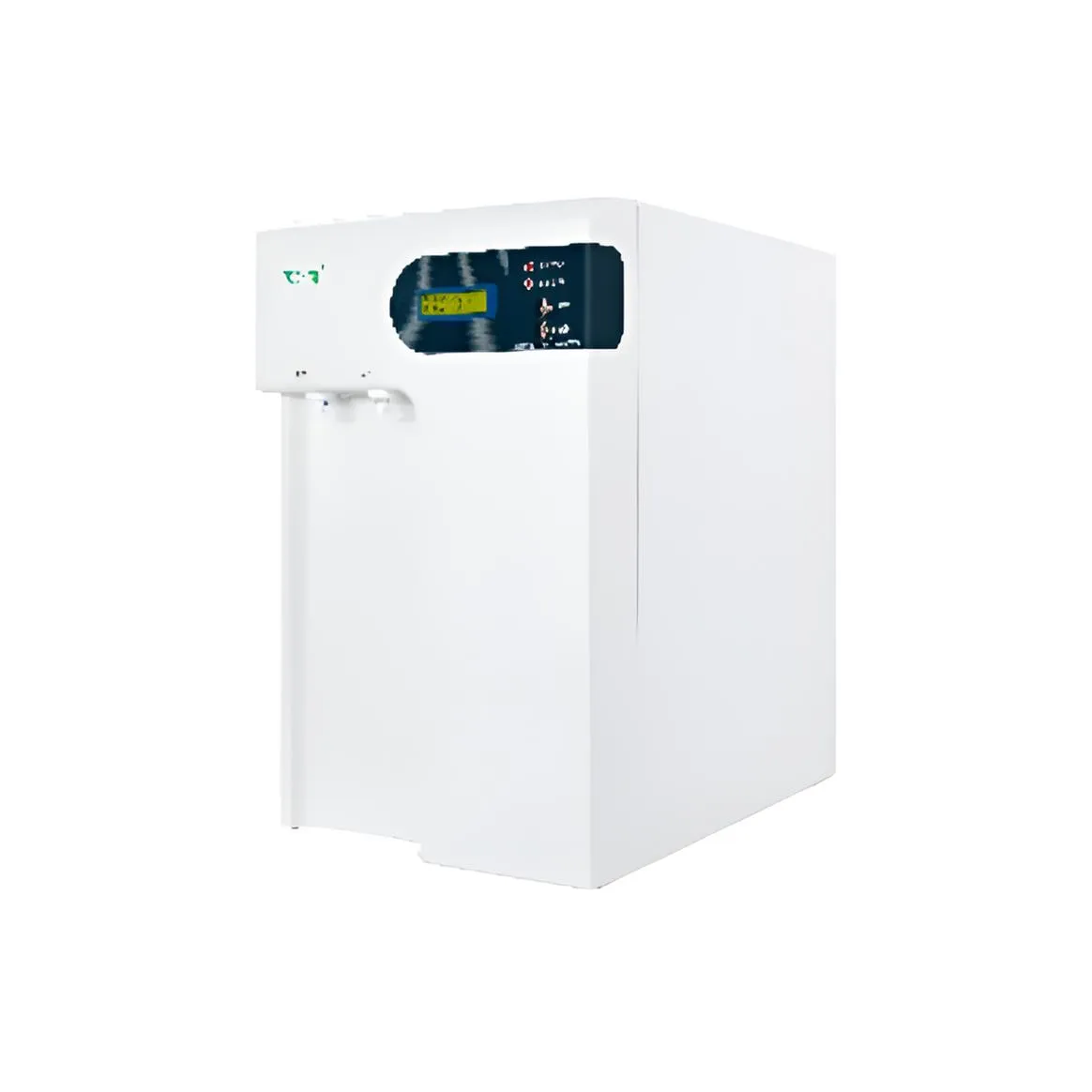
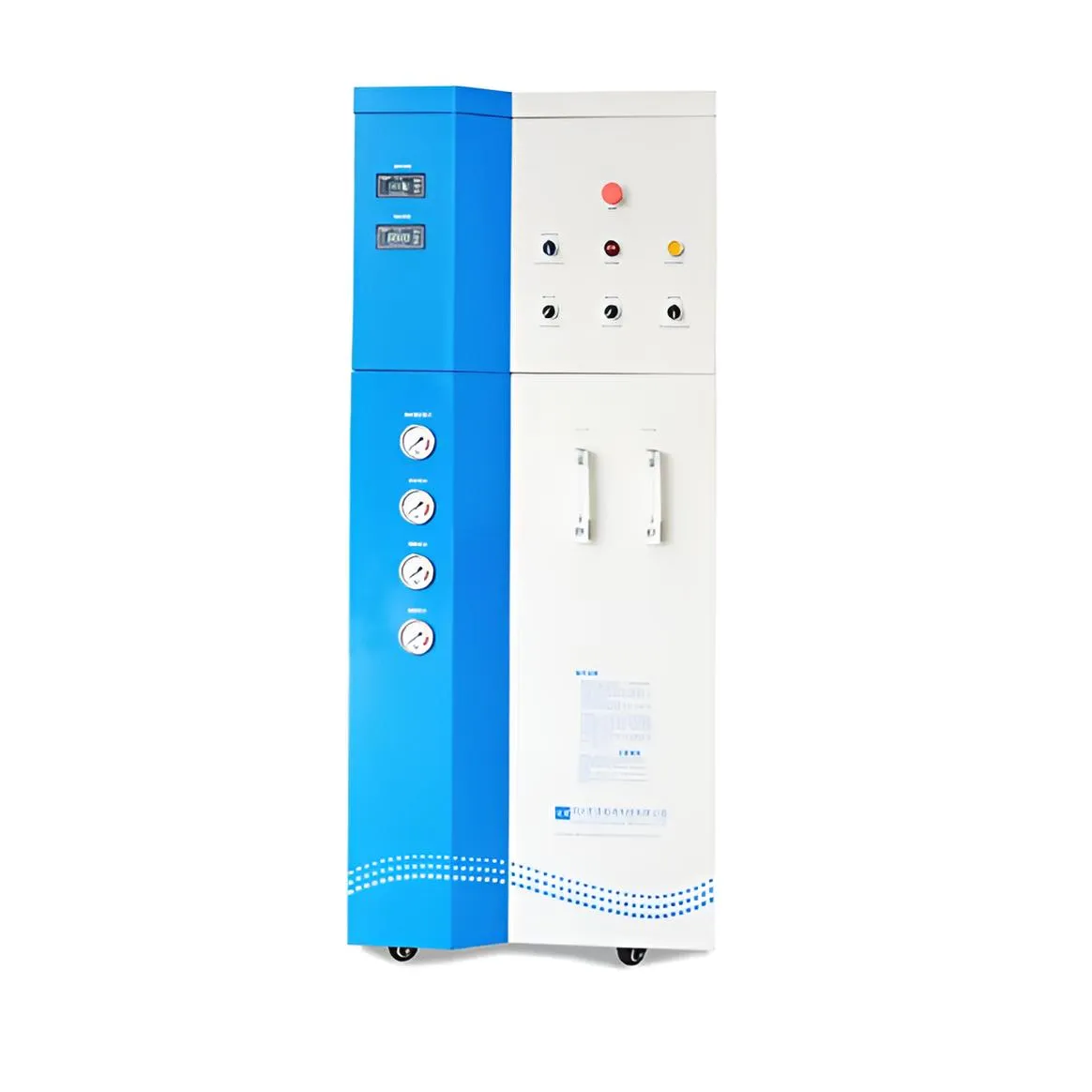
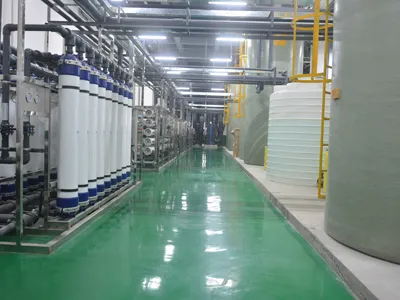
UPU's pure water equipment achieves a desalination rate of 98%, ensuring water quality. The products are suitable for applications across various industries. We continuously expand and improve our business, employing cutting-edge technology to provide you with professional water treatment process solutions.





