





Phone:
0086 28 87573647
+86 19150187139

Drinking water for laboratory animals is crucial for ensuring the scientific rigor and health of live experiments, and its quality control must strictly adhere to relevant national standards and industry regulations. Currently, the drinking water for laboratory animals kept in biological laboratories must meet the core principles of GB19489-2008 "General Requirements for Laboratory Biosafety," namely, sterility and the absence of harmful and toxic substances, while also being adaptable to different rearing environments and experimental needs.
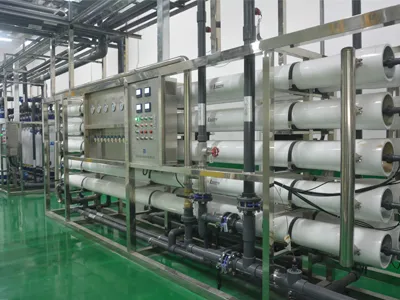
The industry typically uses water with a TDS value of less than 100 ppm as raw water, achieving water purification through multi-stage treatment:
1. Pretreatment: Removes large particulate impurities and some organic matter.
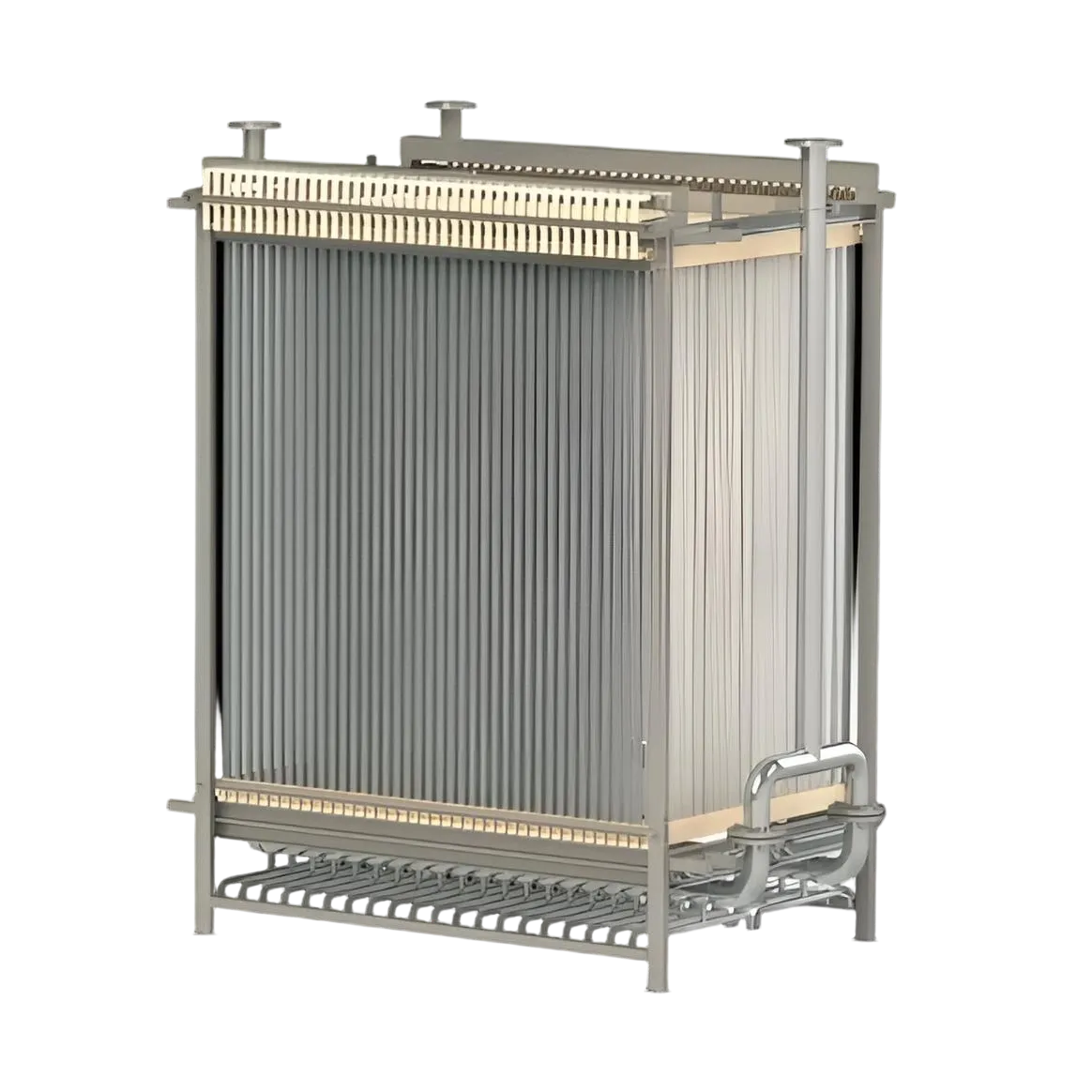
2. Ultrafiltration: Employs 5000 Dalton ultrafiltration technology to remove bacteria, colloids, and other large molecular pollutants.
3. Ultraviolet sterilization: Inactivates microorganisms.
This process meets the basic requirements for conventional laboratory animal husbandry. A combined reverse osmosis, ultrafiltration, and ultraviolet (UV) process can further remove ions, heavy metals, and residual organic matter from the water. Using fresh water, it fully meets the drinking water standards for animals without special experimental requirements.
General-grade animals need drinking water that meets drinking water standards, while SPF-grade animals raised in barrier or isolation environments must have their drinking water sterilized to ensure no exogenous microbial contamination. The quality of drinking water for laboratory animals directly affects animal health and the reliability of experimental data. Therefore, establishing a stable and traceable water treatment and supply system is a crucial component of laboratory biosafety management.
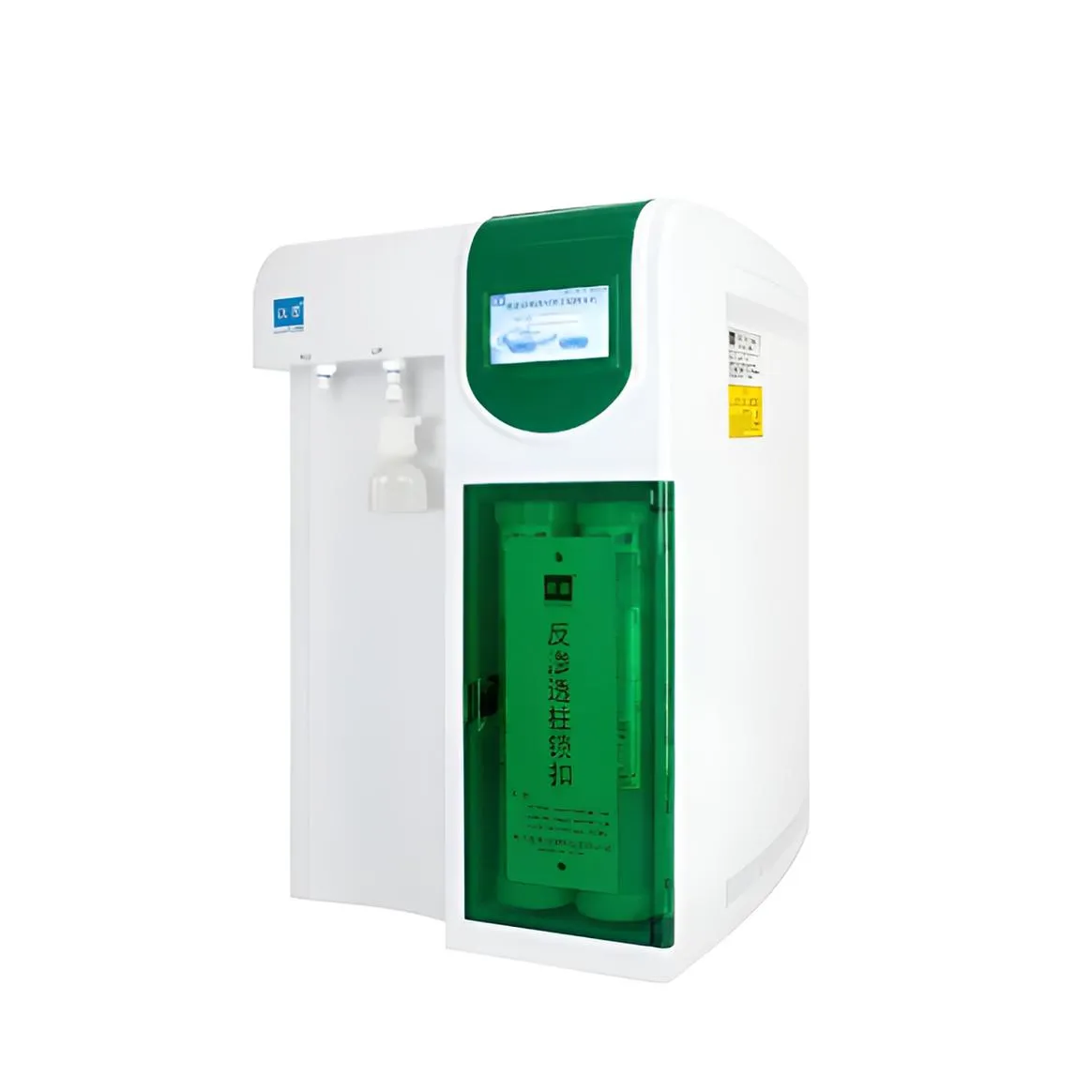
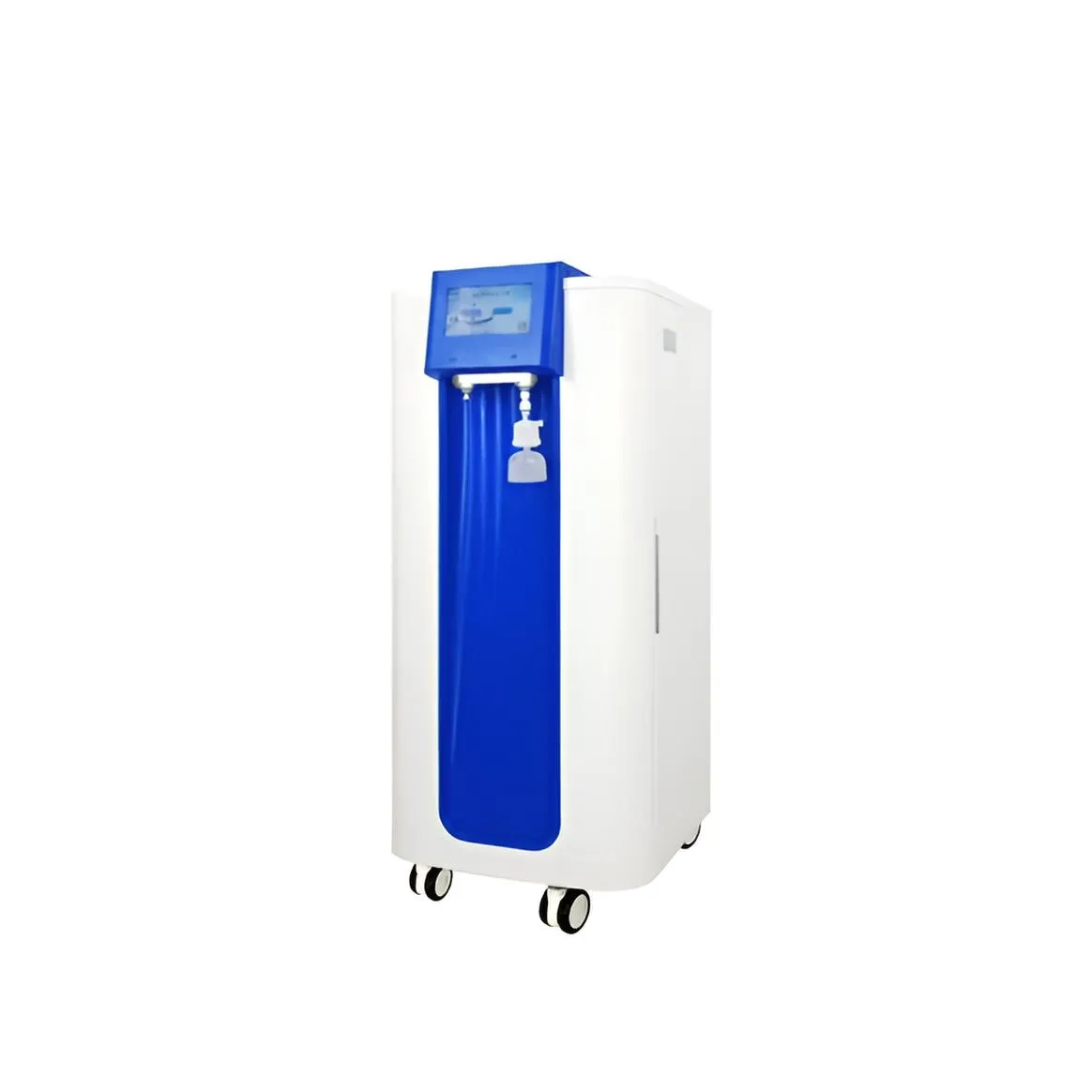
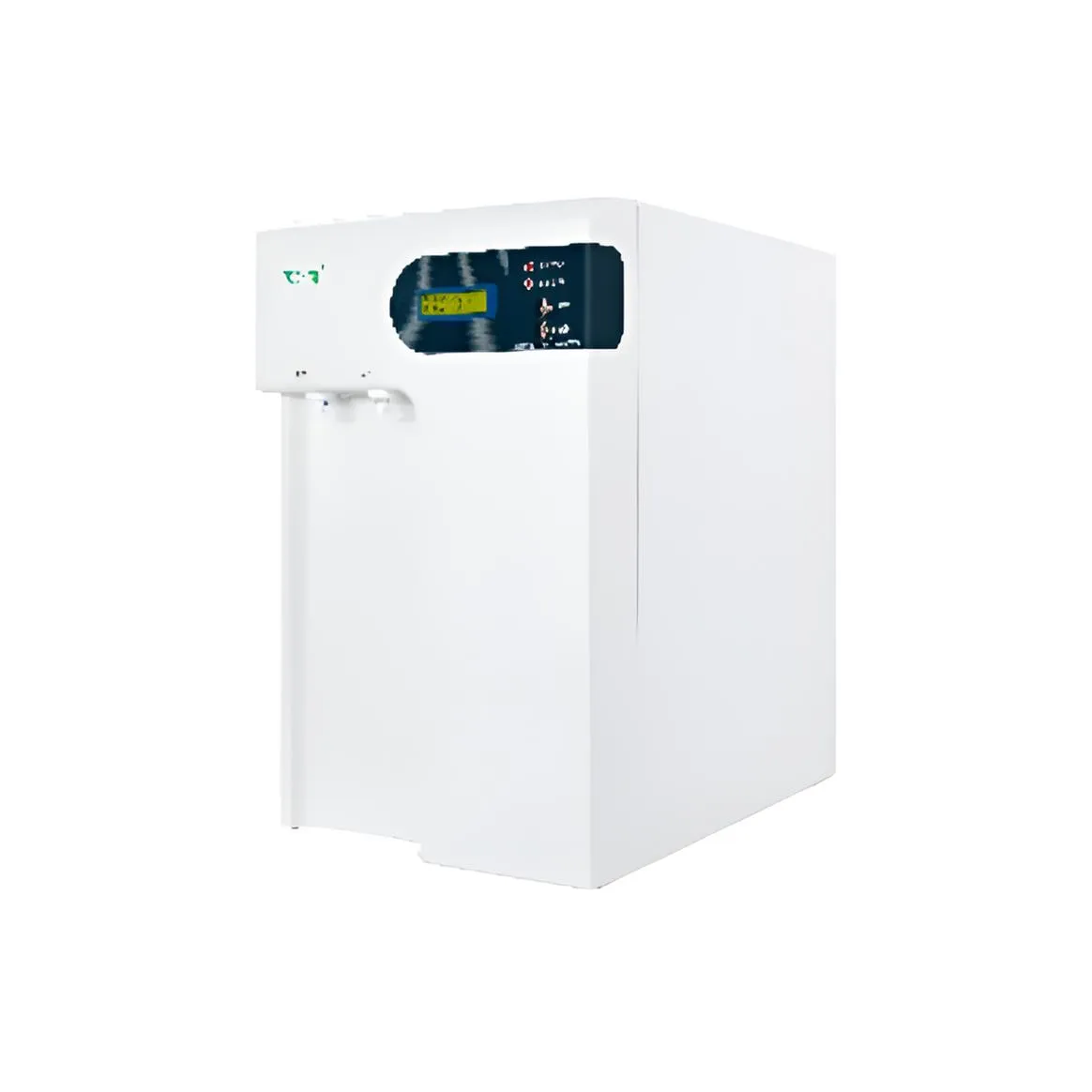
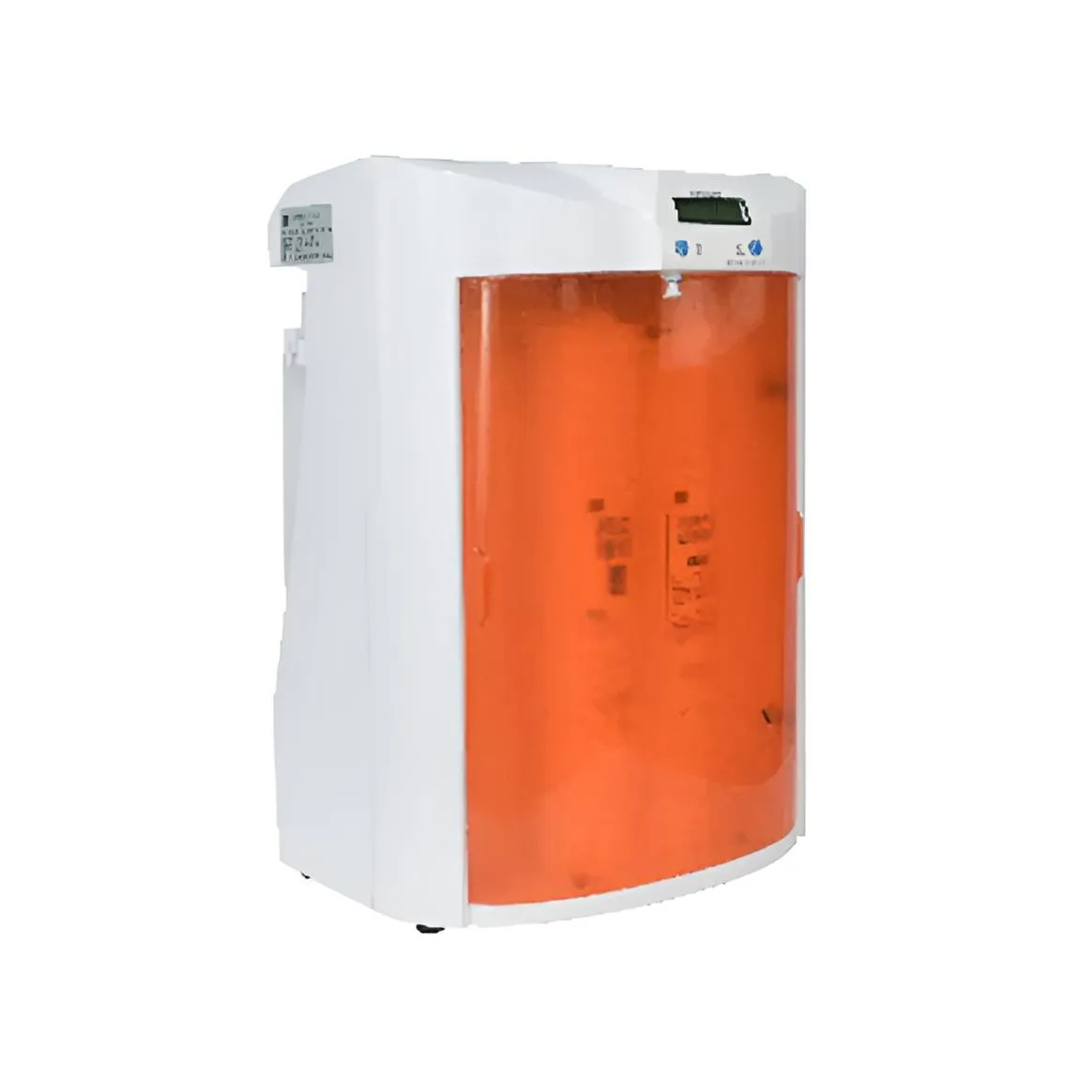
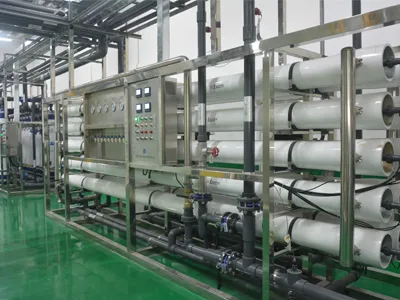
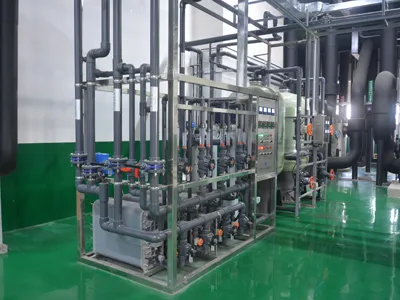
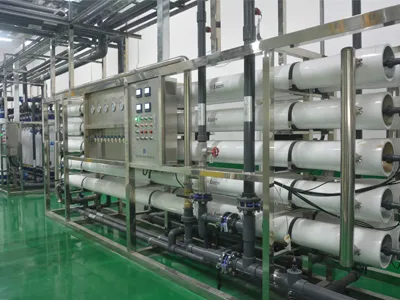
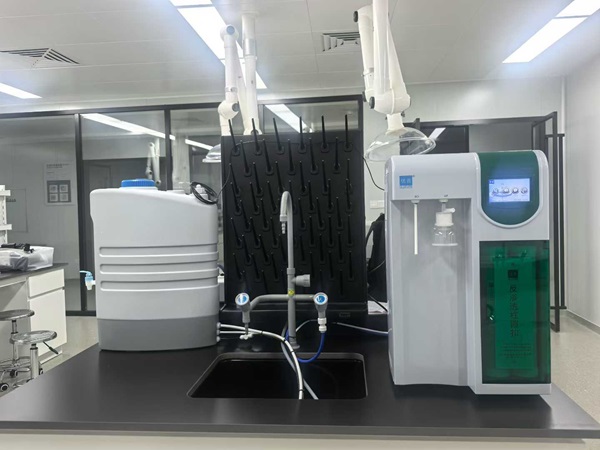
To meet the standard requirements for laboratory animal drinking water, UPU pure water systems and UPU ultrapure water systems are compatible with GB19489-2008 standards. They integrate pretreatment, reverse osmosis, ultrafiltration, and UV sterilization processes to stably produce sterile, low-endotoxin drinking water that meets standards. They also support real-time water quality monitoring and water supply, providing a reliable and efficient water quality assurance solution for the rearing of laboratory animals of different grades.





