


Phone:
0086 28 87573647
+86 19150187139

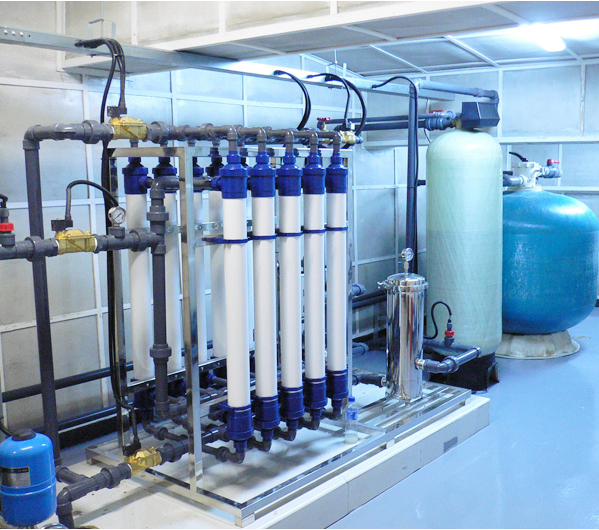
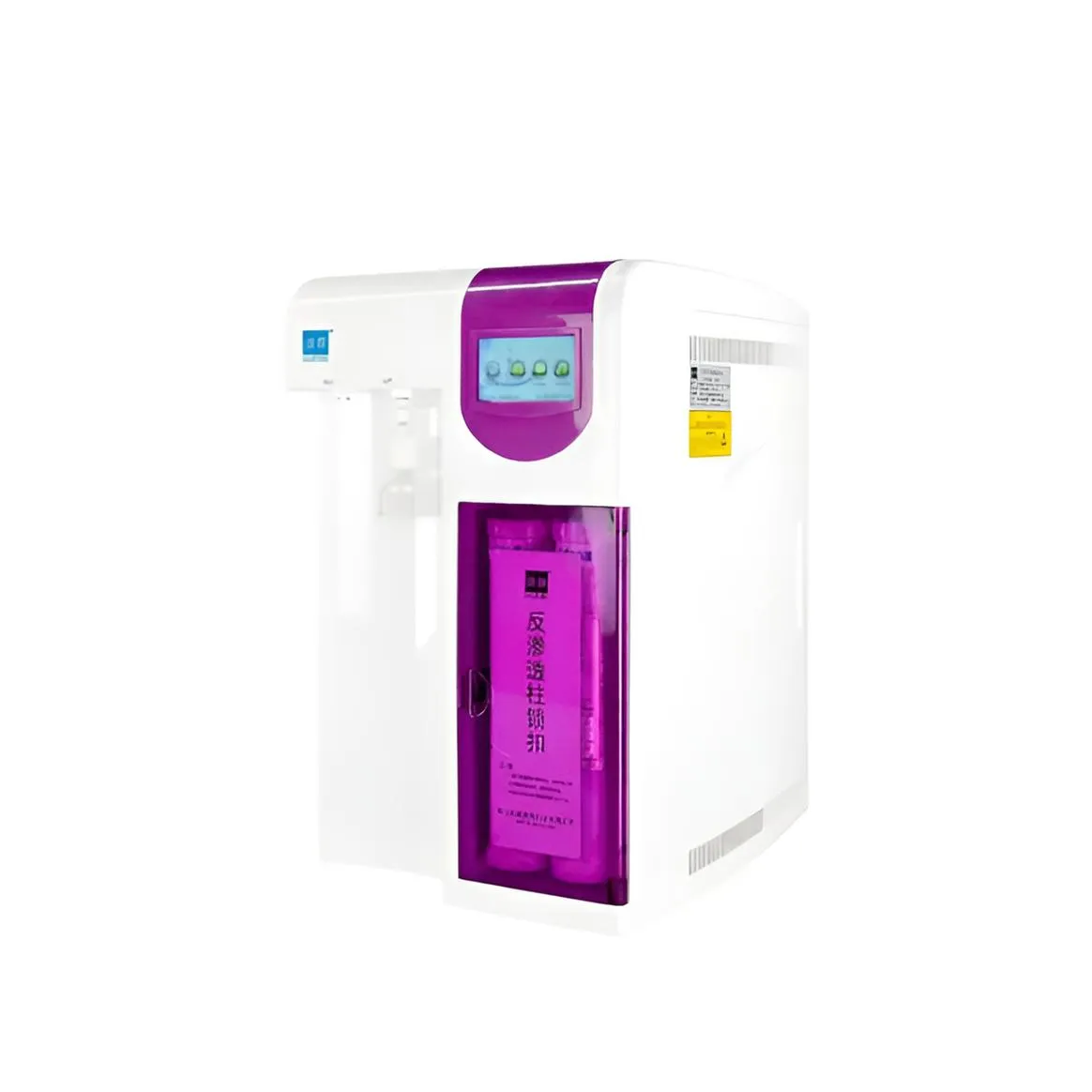
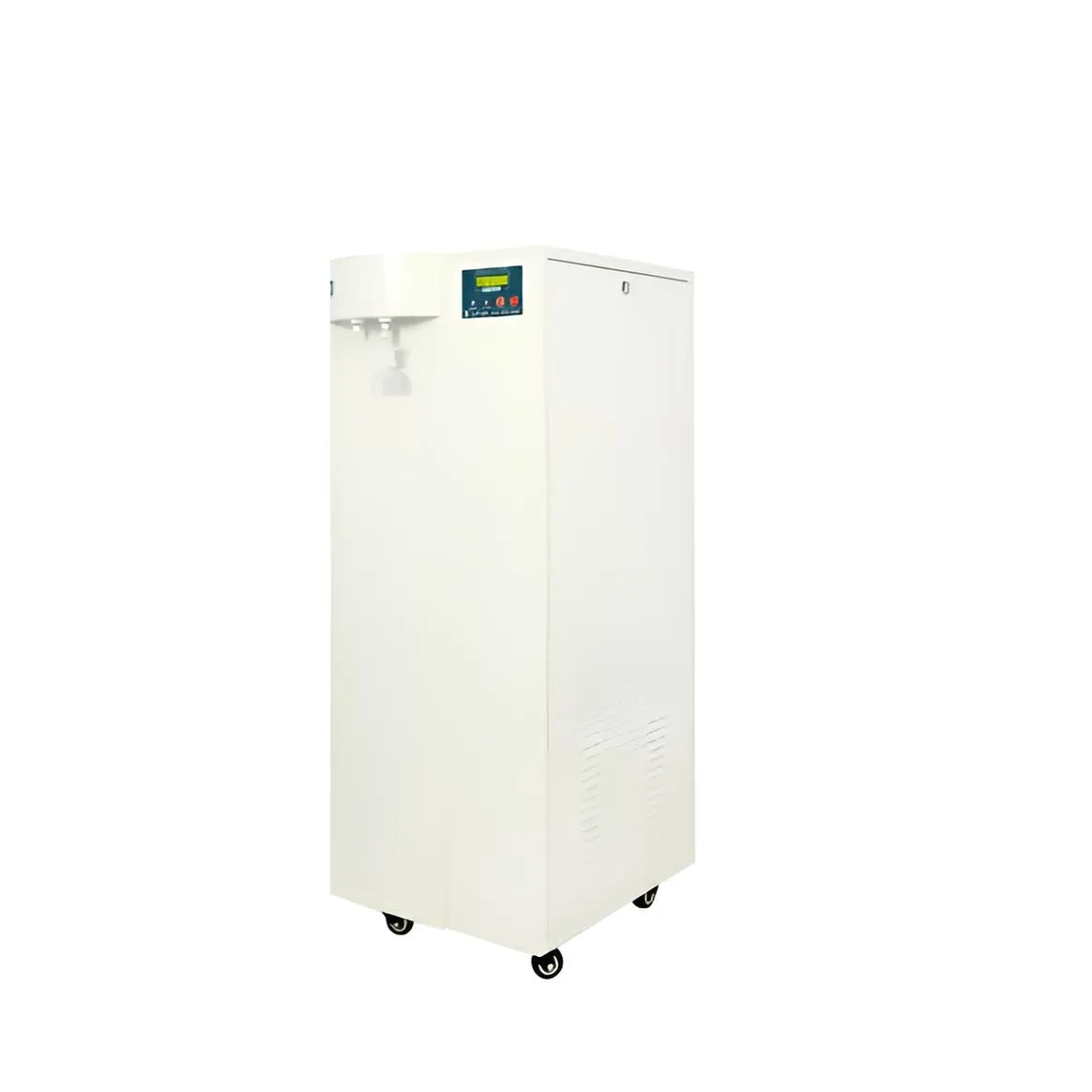
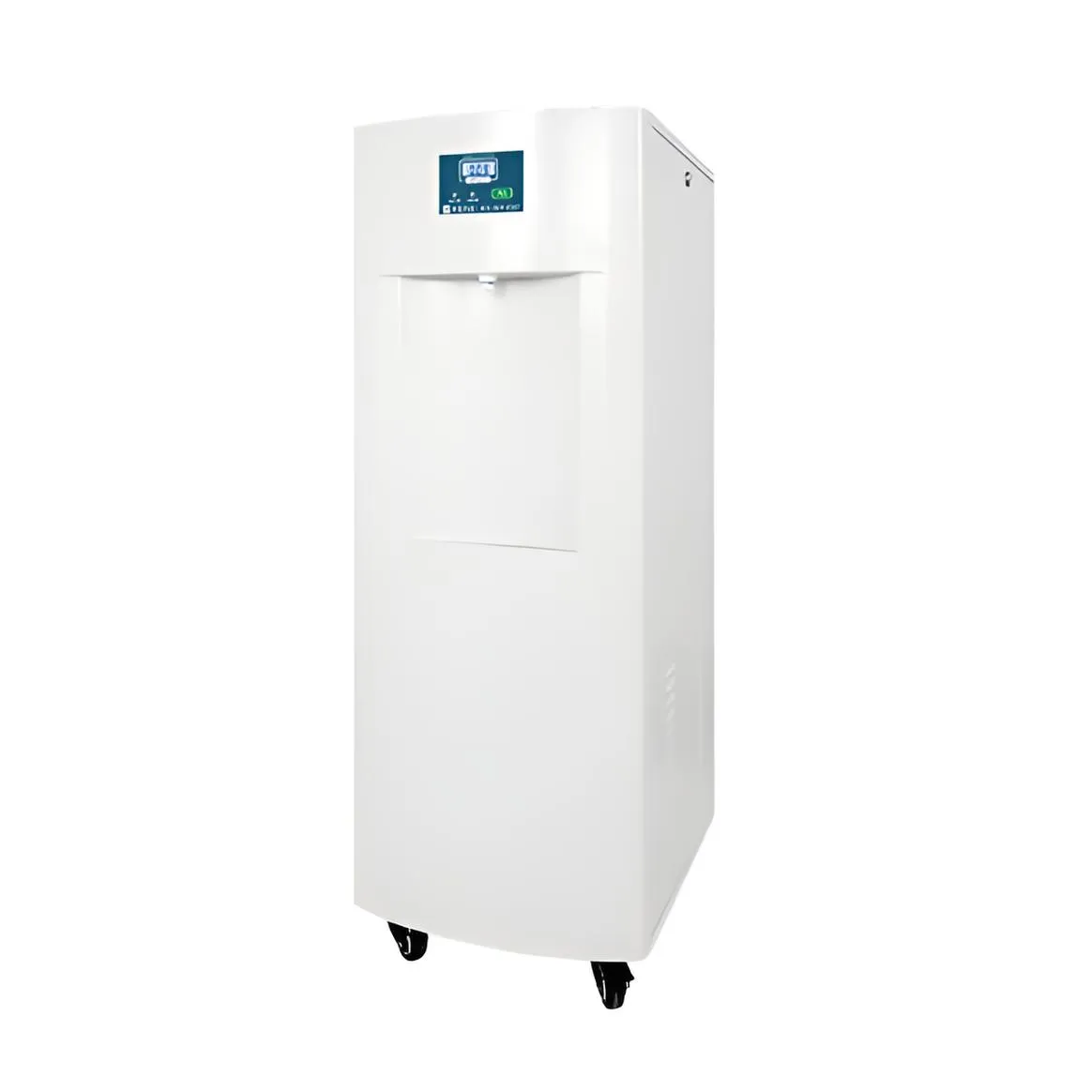
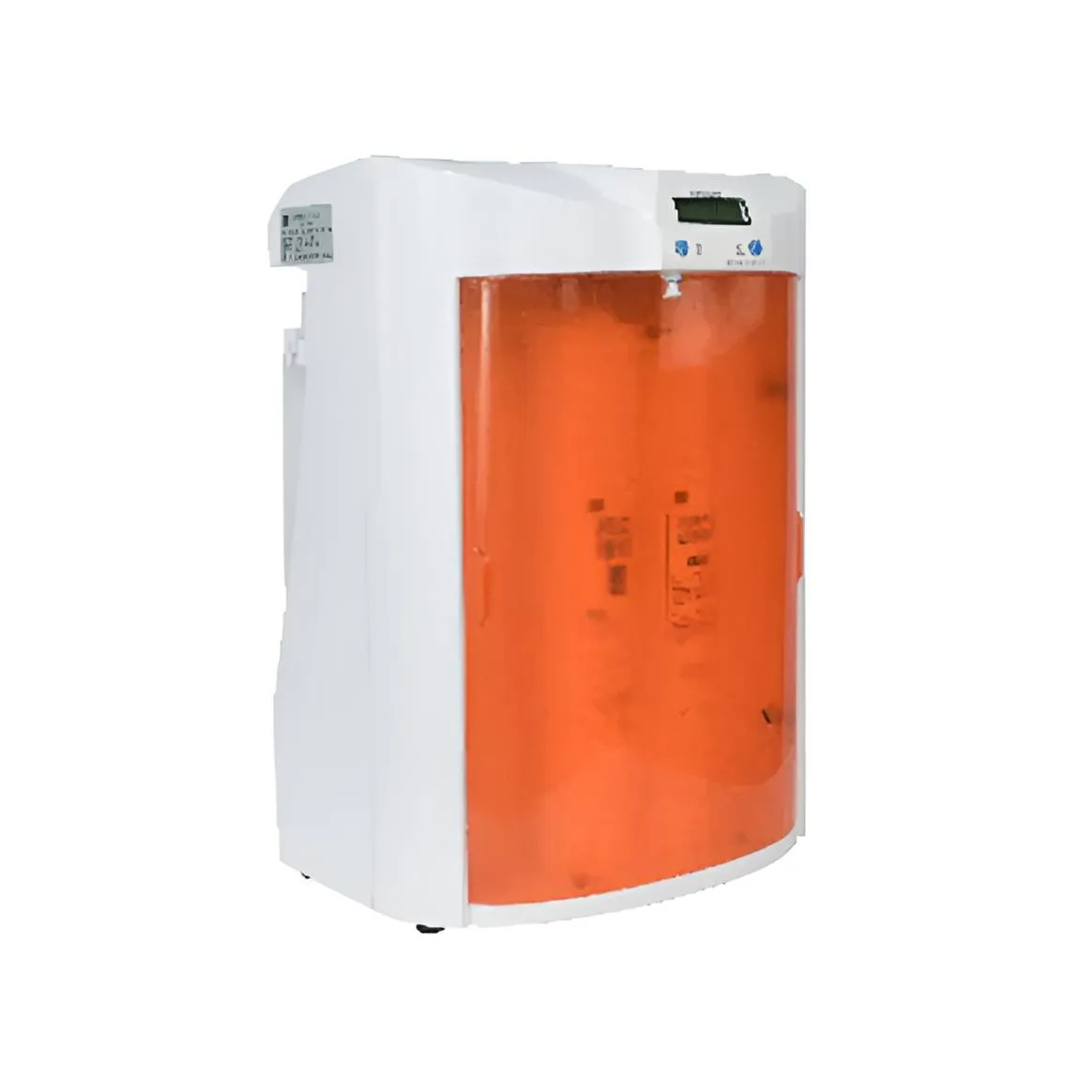
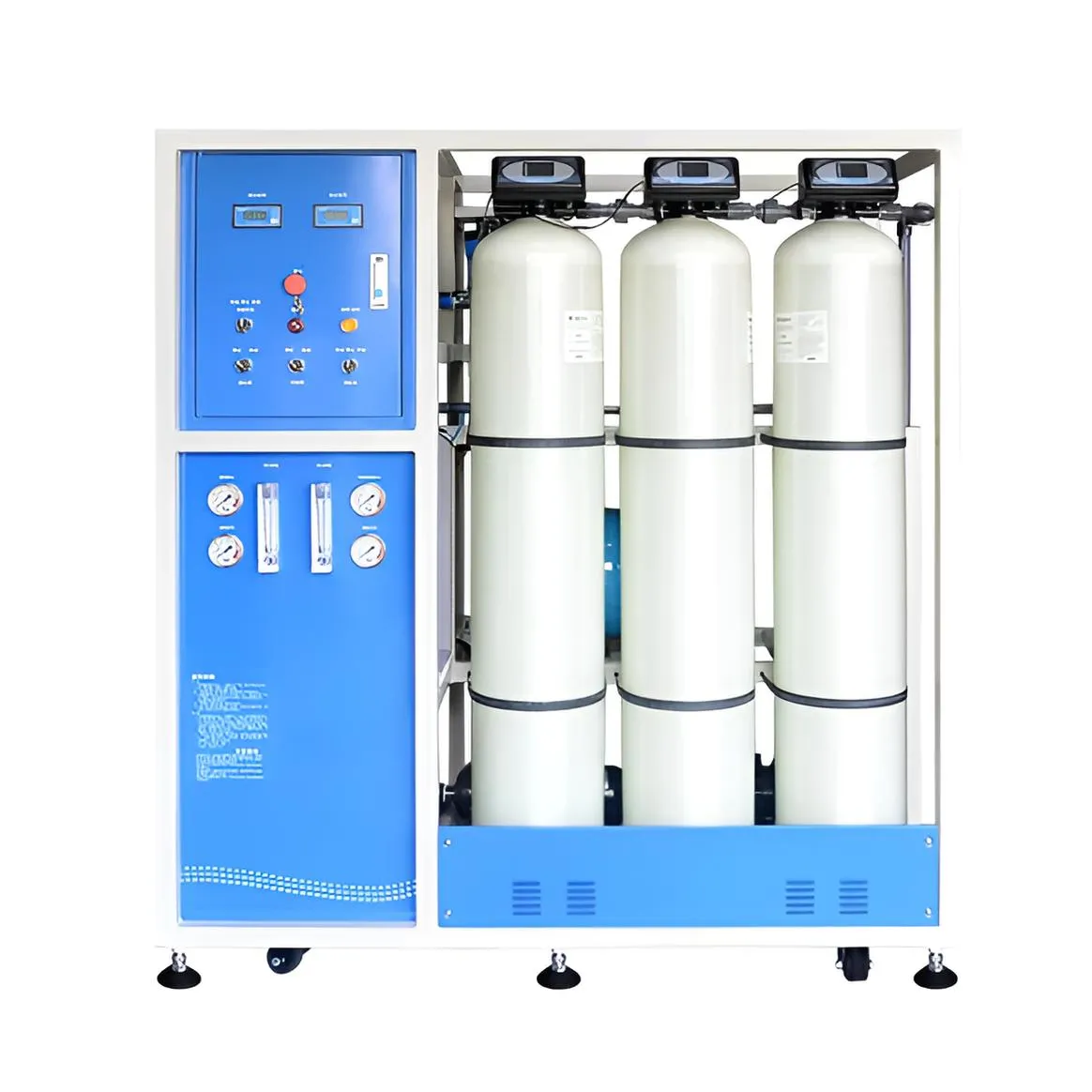
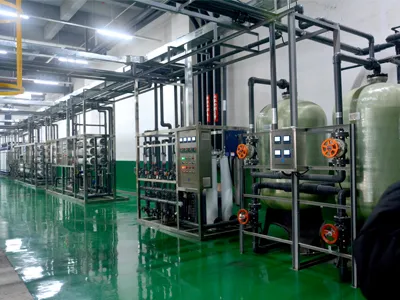
EDI systems are widely used water purification equipment in industries with high water quality requirements, such as electronics, chemicals, electroplating, and food processing. While their energy consumption is low during operation and the initial investment may be higher, their cost-effectiveness is relatively high compared to other ultrapure water equipment.
The effluent conductivity of an EDI system becomes unstable with varying influent flow rates and current. This is because, in the circuit, the solution phase and resin phase in the dilute chamber are connected in parallel. Since the conductivity of the ion exchange resin is much higher than that of the electrodialysis permeate, the resin phase resistance becomes the determining factor for the dilute chamber resistance. Ion transport mainly occurs through the resin phase, and within a certain dilute flow rate range, the flow rate has a small impact on the resin. Therefore, the total current of the EDI membrane stack does not change significantly, and the permeate conductivity changes very little. Consequently, the influent flow rate has a minimal impact on the degree of water dissociation.
The operating voltage has a significant impact on effluent conductivity. If the operating voltage is too low, ions will not be effectively removed from the dilute chamber before the pure water is discharged, resulting in weak electrodialysis and resin electroregeneration processes; ion exchange will be the primary process. As the operating voltage increases, water dissociation increases, and resin regeneration is more efficient, leading to a decrease in the conductivity of the dilute water. When the operating voltage increases to a certain level, the ion exchange and resin regeneration processes reach equilibrium, and the permeate conductivity further decreases and tends to stabilize. However, excessively high operating voltage will cause excessive water ionization and ion back-diffusion, reducing the quality of the permeate water. Therefore, it is recommended that EDI operate at an appropriate voltage.
EDI systems have already established a strong foothold in the ultrapure water equipment market and are currently one of the most popular ultrapure water production devices. With continuous technological advancements, EDI systems will continue to improve, ensuring that effluent conductivity is not affected by various factors.